
Halal meals
Daily dining, family tastes and Ramadan timing planned in advance
A comfortable Muslim trip in China is not simply a list of attractions. Meals, hotels, transport, sightseeing, shopping and leisure all need to work together from one day to the next. NebulaTrip is a China-based travel team. Before designing your itinerary, we ask about halal meal requirements, prayer routines, Ramadan timing and the needs of children, older relatives and other family members.
From a first Beijing–Xi’an–Shanghai journey to Silk Road routes through Lanzhou, Dunhuang, Yinchuan or Kashgar, we build the trip around your dates, group and preferred travel style. You receive a clear plan before departure and local coordination while travelling, so your family can focus on China rather than solving logistics every day.
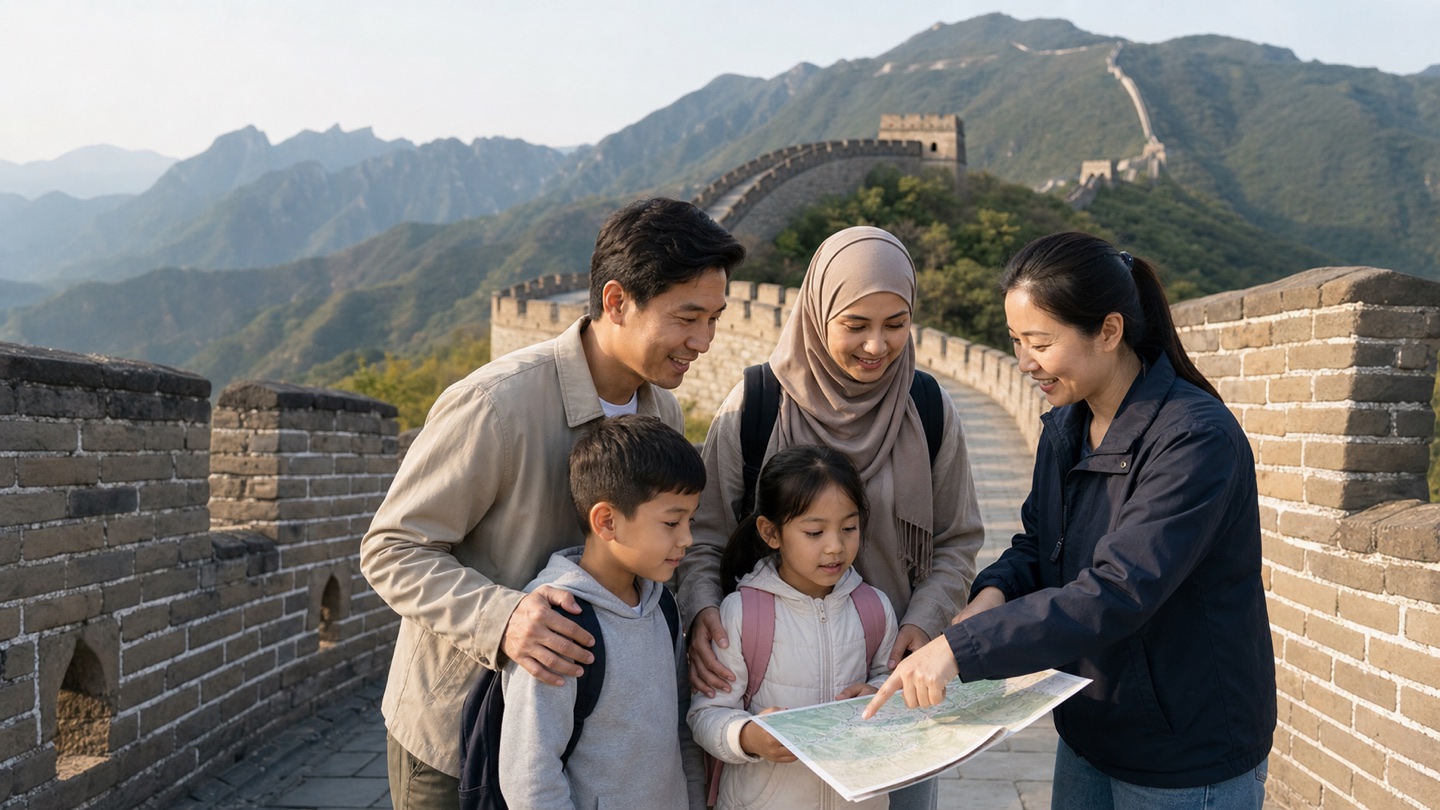
A complete Muslim-friendly trip in China
Daily dining, family tastes and Ramadan timing planned in advance
Hotel location, room type, breakfast and prayer space considered
Trains, flights and vehicles coordinated with meals and prayer
China’s classics and Muslim heritage in one thoughtful route
Markets and stores only when they match your interests
Respectful activities suitable for children and older guests
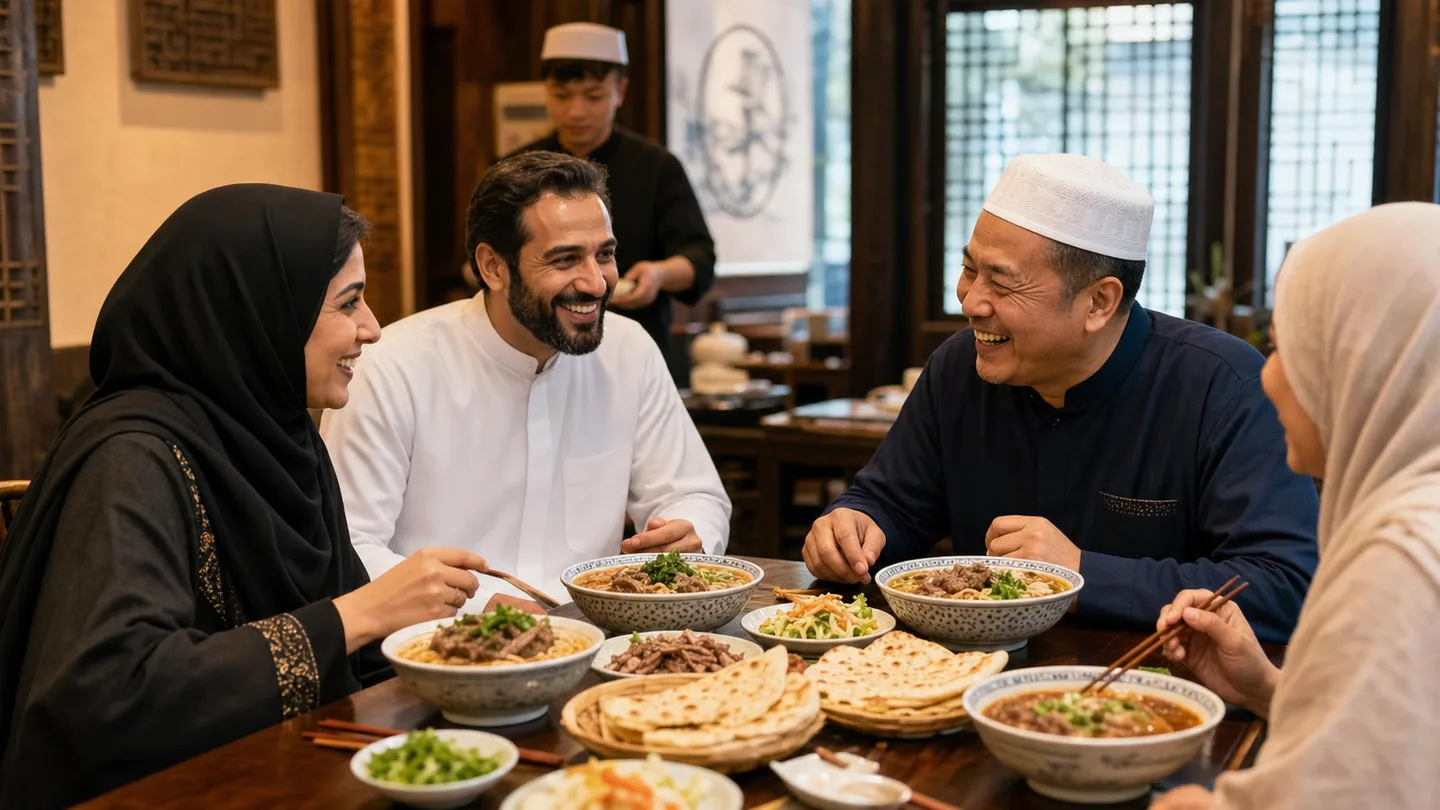
We begin by recording each guest’s halal requirements, alcohol restrictions, allergies, children’s preferences and preferred meal times. Restaurants, early breakfasts and food for longer travel days are then fitted around the sightseeing route.
Beijing, Xi’an, Lanzhou, Yinchuan, Xining and Kashgar offer many choices, while popular destinations such as Shanghai, Hangzhou, Chengdu and Zhangjiajie can also be planned in advance. Guides can help with ordering and family portions. During Ramadan, suhoor, iftar, late dining and food storage become part of the daily schedule.
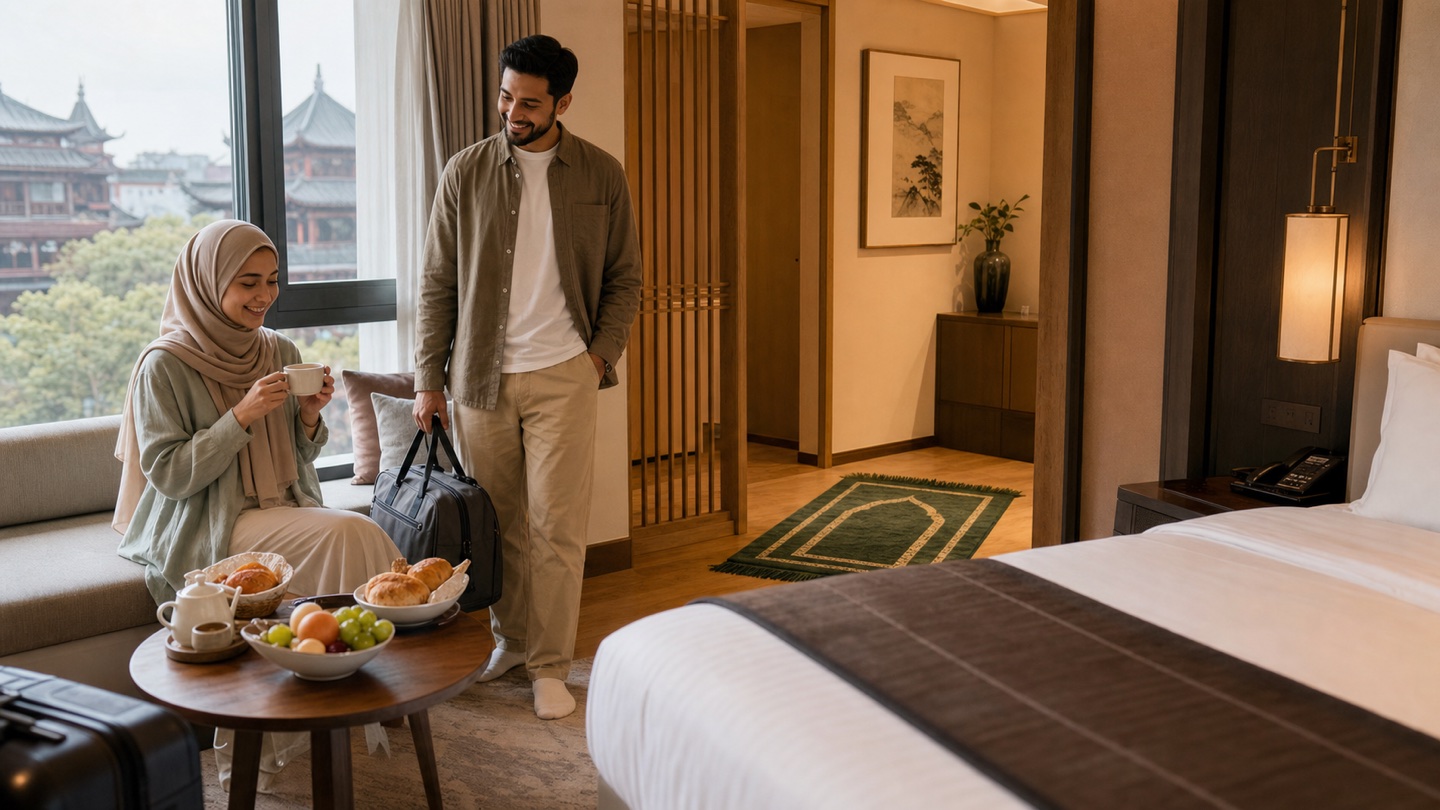
A hotel is selected for more than its star rating. We consider comfort, family or connecting rooms, access to halal meals, travel time to a mosque and the next day’s route. Families with children or older relatives can reduce hotel changes and keep more rest time.
Breakfast, a quiet private place for prayer, bathing preferences and Ramadan routines can be communicated before arrival. For early trains, late flights or remote stays, the plan also covers suitable takeaway meals and sensible arrival times.
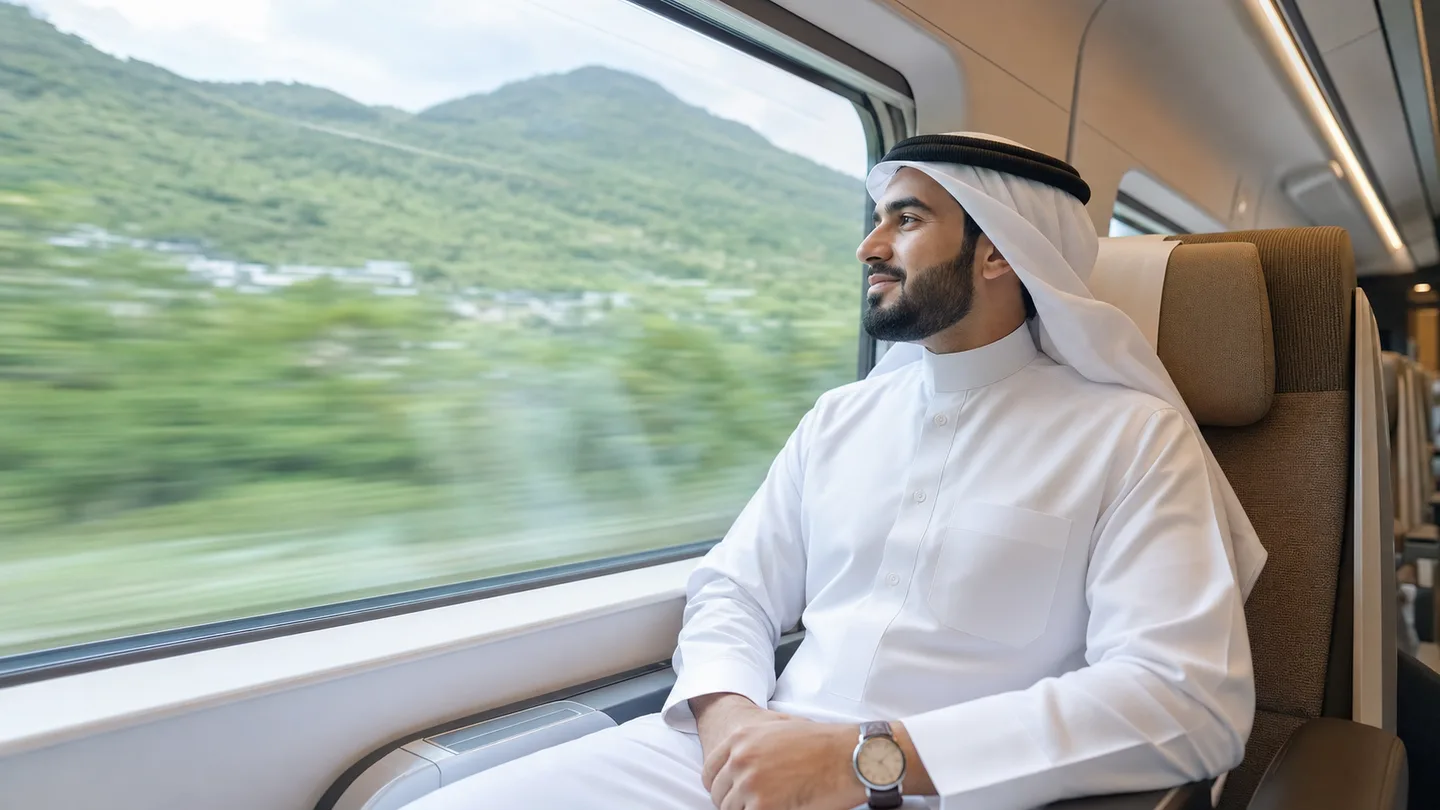
China’s high-speed trains and domestic flights cover long distances, while private vehicles make city touring more flexible. NebulaTrip places tickets, transfers, luggage, meals and prayer stops in one timetable so that travel does not become a daily rush.
Private vehicles can be arranged for the right family size, child seats, luggage space and flexible stops. With young children or older guests, we reduce very early departures, repeated transfers and unnecessarily long driving days.
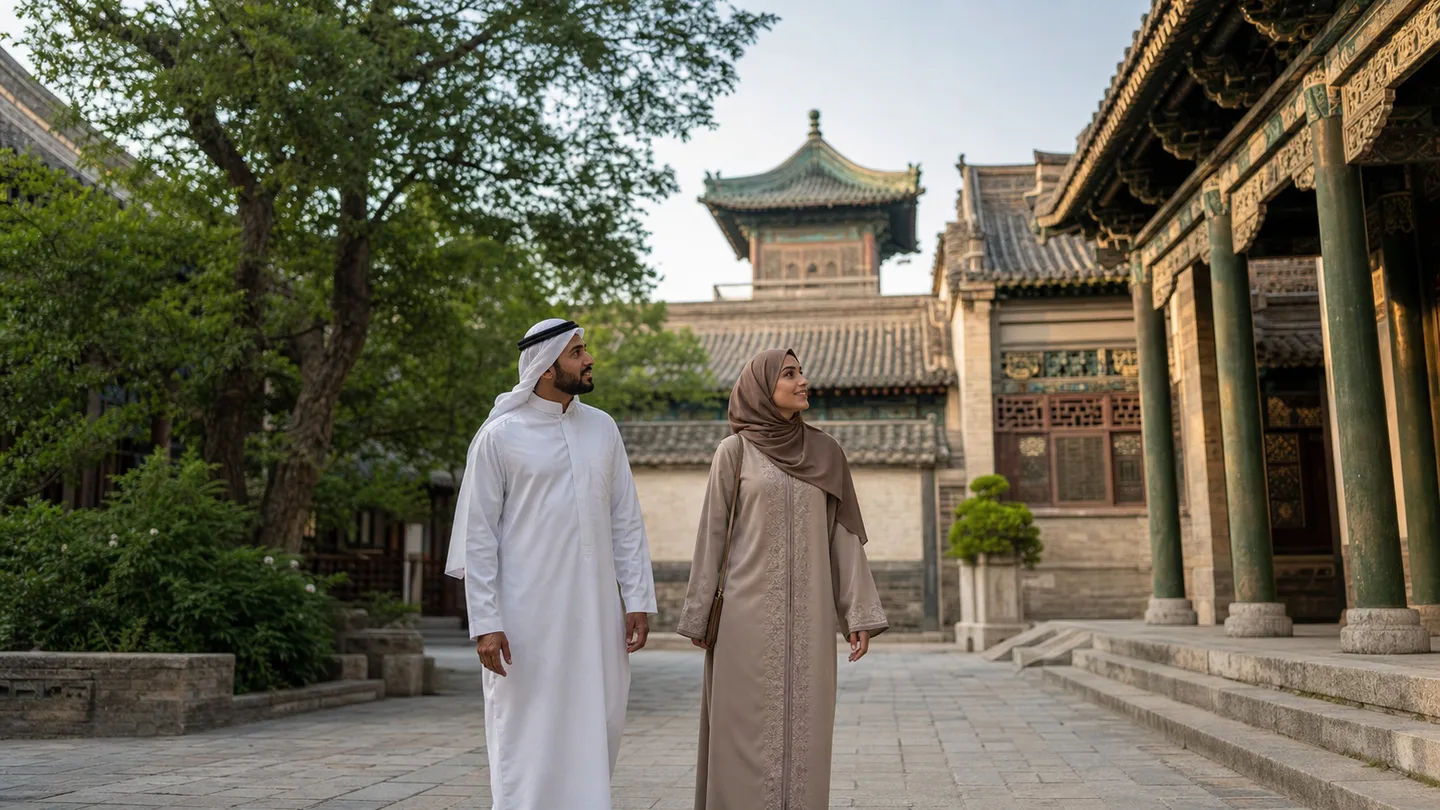
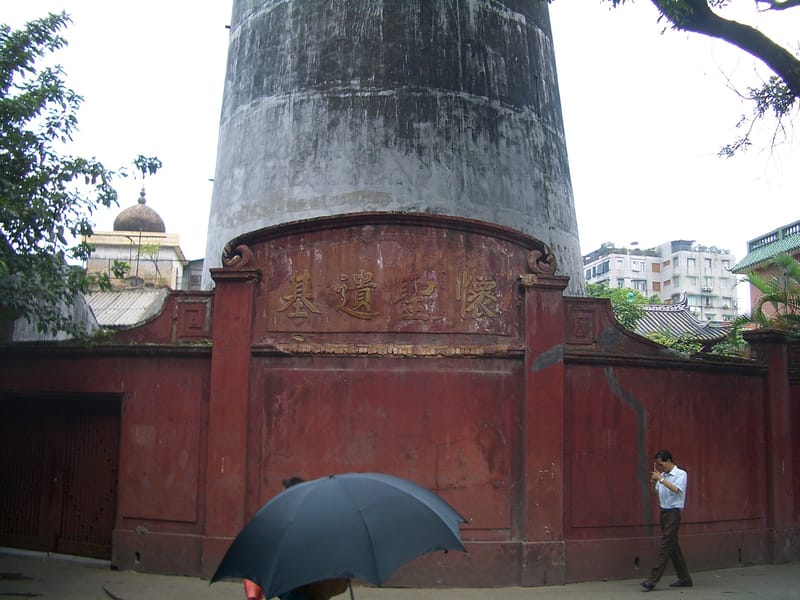
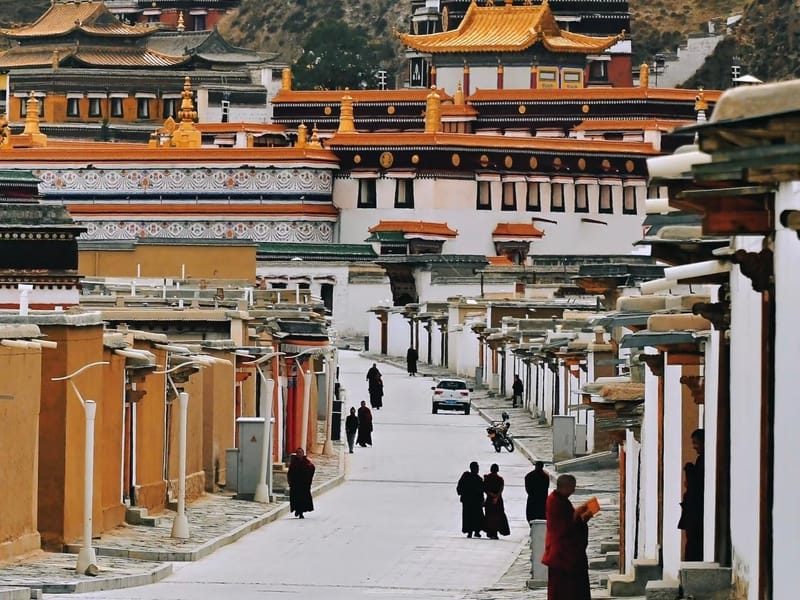
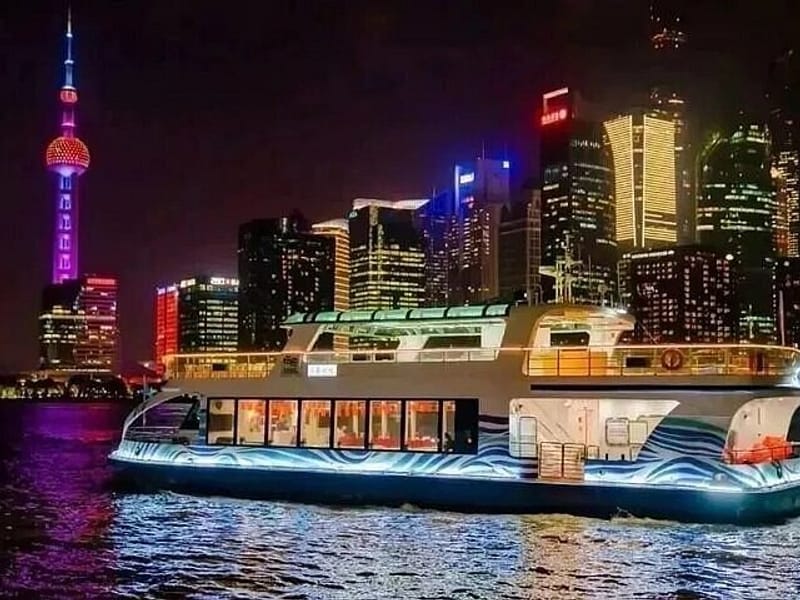
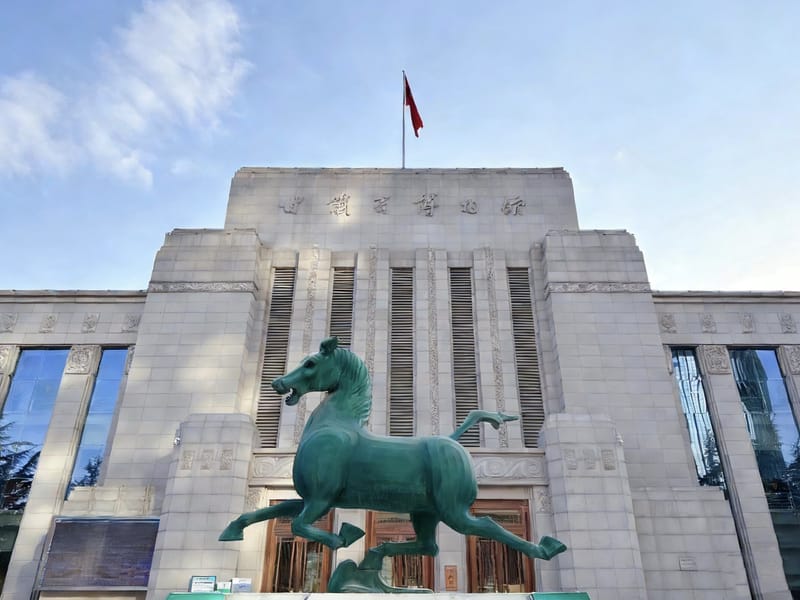
Muslim-friendly travel can include the Forbidden City, Great Wall, Terracotta Warriors, Shanghai’s Bund, Zhangjiajie and Guilin—not only mosques. It can also include the Great Mosque of Xi’an, Beijing’s Niujie area, Lanzhou, Yinchuan and Kashgar.
We coordinate visit order with mosque arrangements and prayer times, and brief guides on dress, photography and religious-space preferences. Families receive shorter walking stages and more time for meals, rest and bathrooms; history, food, photography and nature interests can each shape the route.
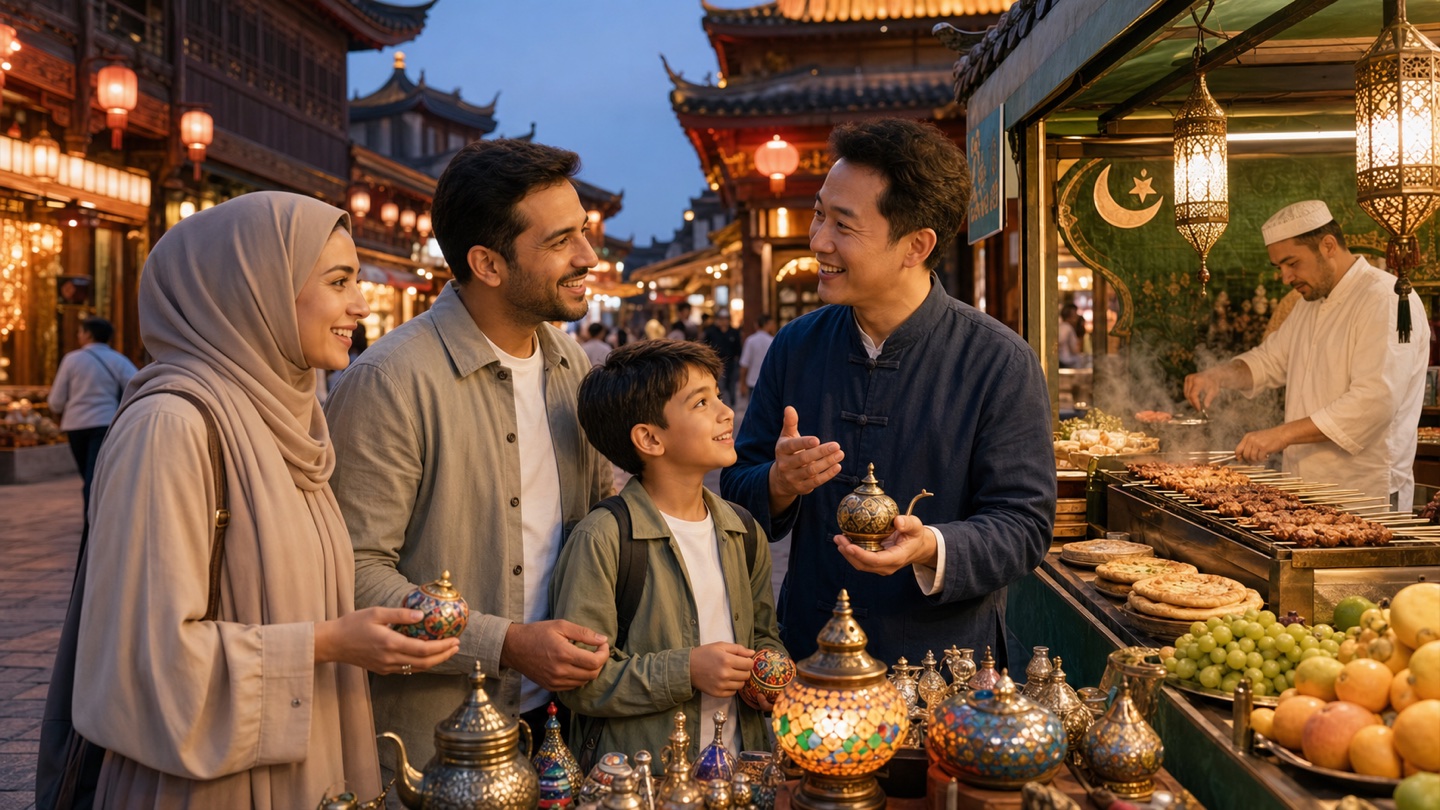
A guide can help when you want to buy Chinese tea, silk, crafts, children’s gifts or halal food, including communication about price, size, packaging and transport. Markets, malls and workshops are included only when they match your interests.
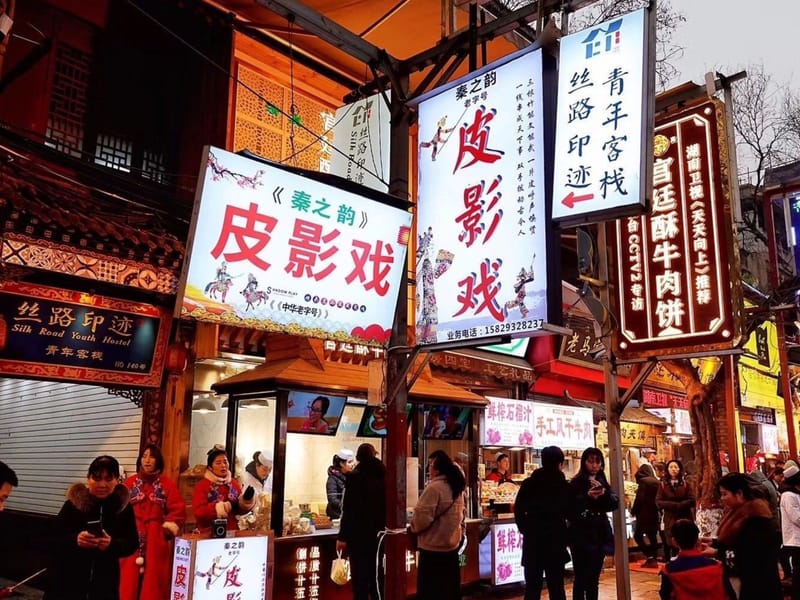
NebulaTrip tailor-made itineraries do not depend on compulsory shopping. You can skip shopping entirely or request places such as Xi’an’s Muslim Quarter, Kashgar’s markets, Jingdezhen ceramics, Suzhou silk or Shanghai design stores.
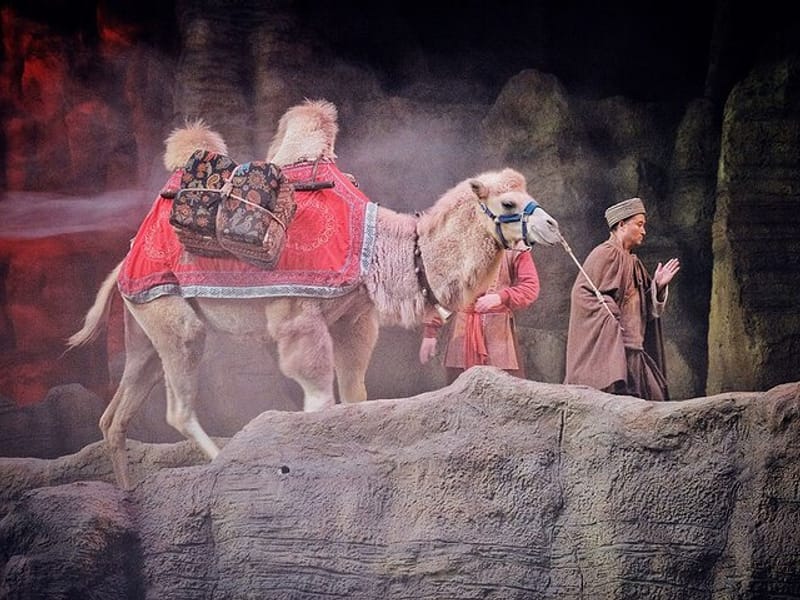
Evening options can include light shows, cruises, cultural performances, night markets, tea experiences, crafts and city views instead of bars or clubs. We choose activities around religious preferences, family composition and the time you want to return to the hotel.
Children can have more interactive activities and less passive listening; older guests can have more comfortable seating and transfers. Guests who prefer alcohol-free or quieter environments can state that from the beginning, and each day keeps enough free time to enjoy travelling as a family.
1. Understand your needs. Share dates, group size, cities, halal meal requirements, prayer routine and any needs involving children, older guests or mobility.
2. Design the route. A local planner combines attractions, restaurants, hotels, transport and prayer timing in one itinerary.
3. Confirm before departure. Key bookings and special requirements are written into the plan and shared with guides, drivers and relevant providers.
4. Coordinate during the trip. If transport changes, children become tired or opening hours shift, the local team helps adjust the day.
Book the Kashgar Private Tour: Mosque, Concubine's Garden & Old City with real-time availability.
See tour & book Plan with AIPrivate & flexible · English-speaking guide · real-time online booking.

Send your dates, group size, preferred cities and halal meal and prayer needs. NebulaTrip will prepare a tailor-made China plan for your family.