Updated 2026 · 9 min · by NebulaTrip local experts
Kashgar deserves two full city days before any Pamir road trip. The old-city lanes, Id Kah area and livestock market are urban experiences; Karakul Lake and Tashkurgan require a separate border-region, high-altitude plan whose road and document rules can change. Do not buy a “complete Kashgar day” that promises all of them. In 2026 the region has already seen weather closures and new border-pass administration, so the responsible sequence is city first, verify the exact mountain corridor, then travel with a route that can turn back.
Kashgar has air and conventional rail connections, but published routes and frequencies change. Compare the actual 2026 arrival against hotel registration and market timing rather than repeating an old flight duration. The city itself does not require a blanket special tour product for every foreign visitor, but hotels must handle the passport correctly. Confirm that the chosen property can register the actual document before payment.
Day 1 can centre on the old city and Id Kah public area; Day 2 can hold the livestock market if its current operating day is confirmed, plus one museum, craft street or food area. This leaves space for security checks, heat and ordinary conversations rather than treating every lane as a backdrop.
A Pamir extension needs at least one very long day and is better with a night near Tashkurgan when the permitted route, health and weather support it. It is not a casual afternoon after the bazaar. Put a buffer before the onward flight because a mountain-road closure does not care about a non-refundable ticket.
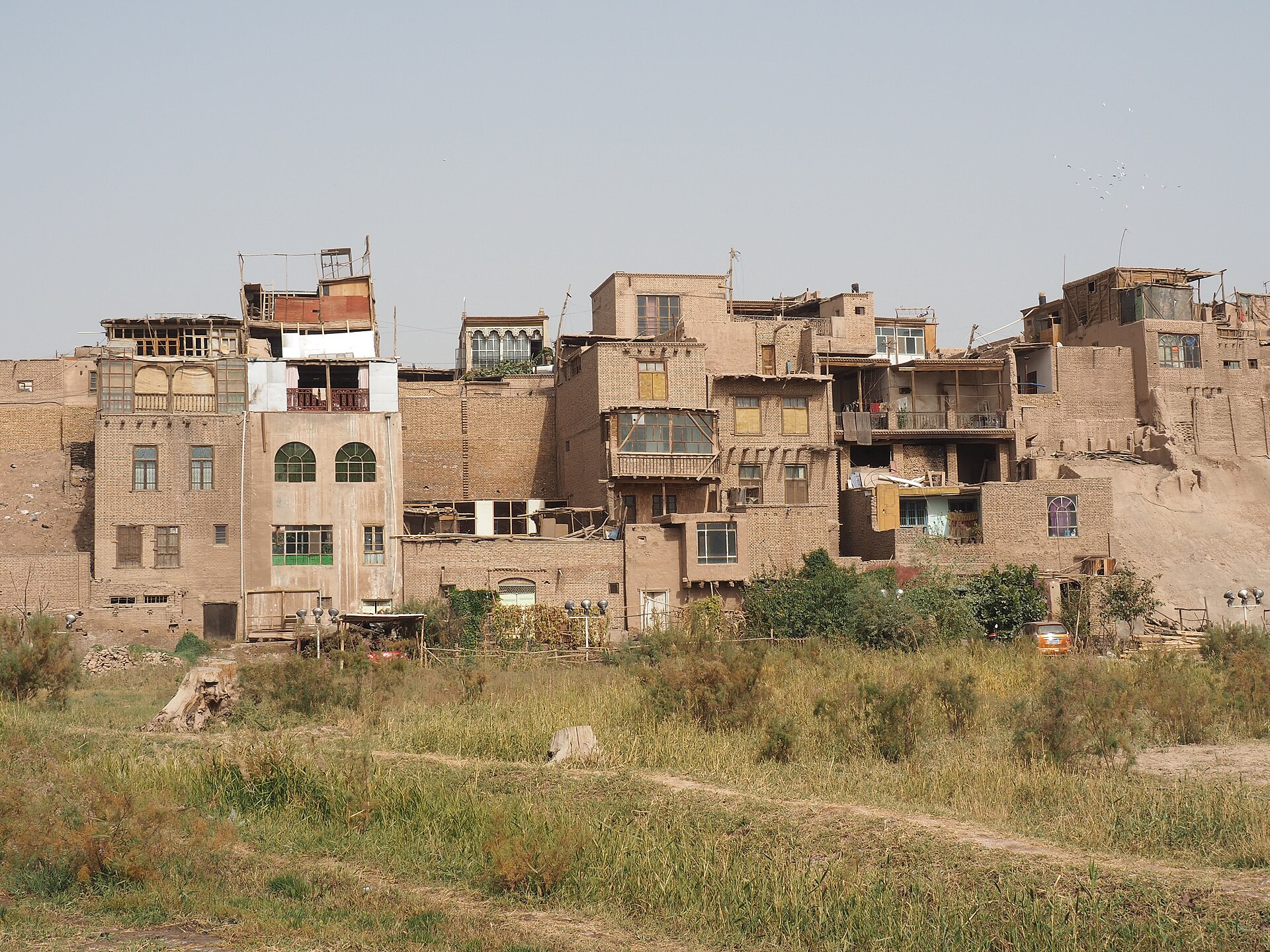
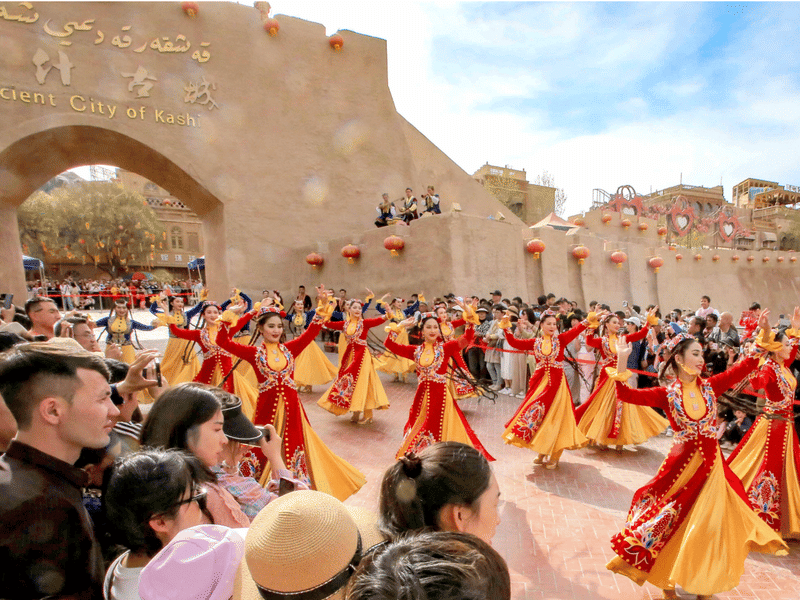
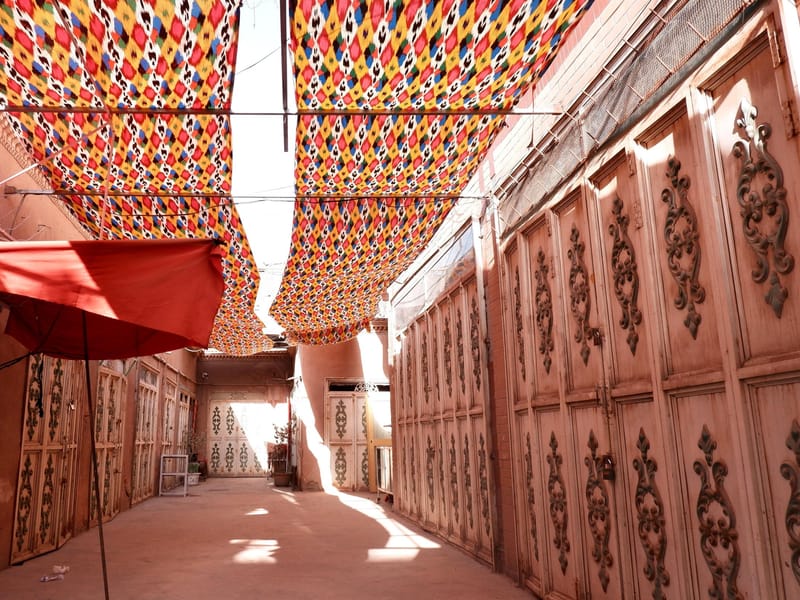
Kashgar Ancient City is a managed tourism district and a lived urban area that has undergone major rebuilding and reinforcement. That does not make it valueless, and it does not make every façade an ancient original. Look for the relationship among lanes, courtyards, workshops, food businesses and contemporary visitor infrastructure. Use a documented source before assigning a building an age or a craftsperson an inherited family history.
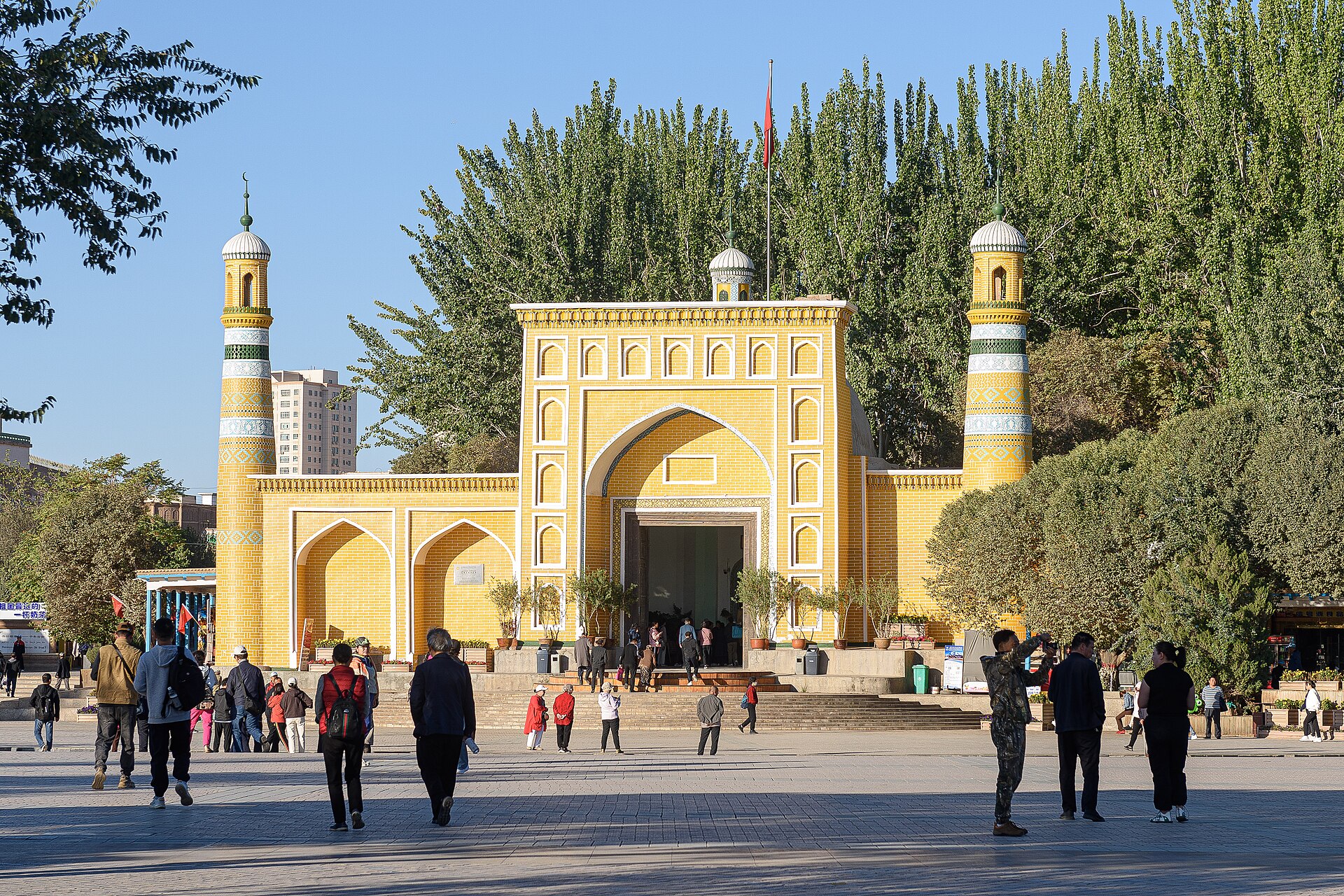
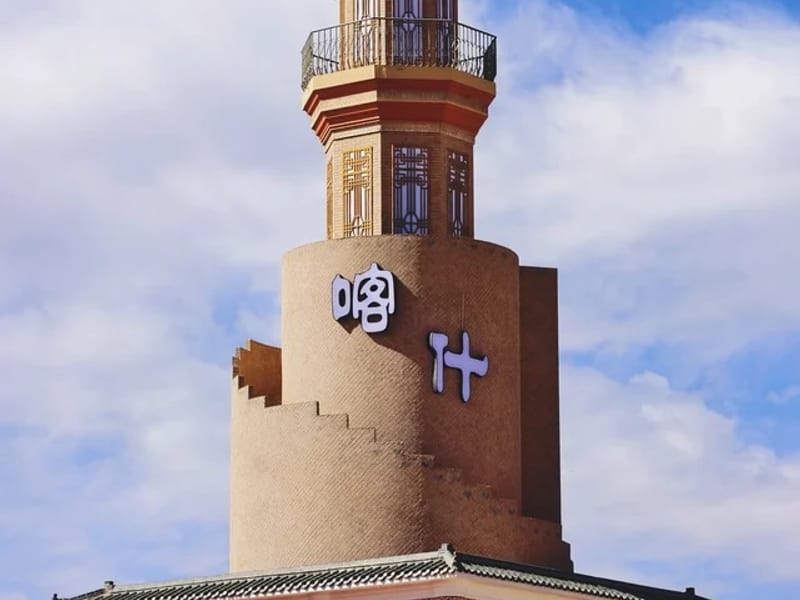
Id Kah Mosque should be approached as an active religious site, not an automatically open museum. View the exterior and square without assuming interior access. Check the current visitor notice, avoid prayer periods or closed areas, dress conservatively, follow staff directions and never photograph worshippers at close range without clear consent. A historical exterior photograph cannot prove today's opening hours.
Likewise, a teahouse or workshop is not public simply because a tour once entered. Agree on price and photography before a demonstration. Real street signs may appear in images, but do not translate them beyond what is legible or use them to infer a person's identity.
The livestock market can be the strongest city experience when trading is actually operating. Confirm its current day, location and morning window with the local tourism authority or a recent responsible operator. “Sunday Market” appears in many old accounts, but a dated photograph or past schedule is not enough to guarantee a 2026 trading session.
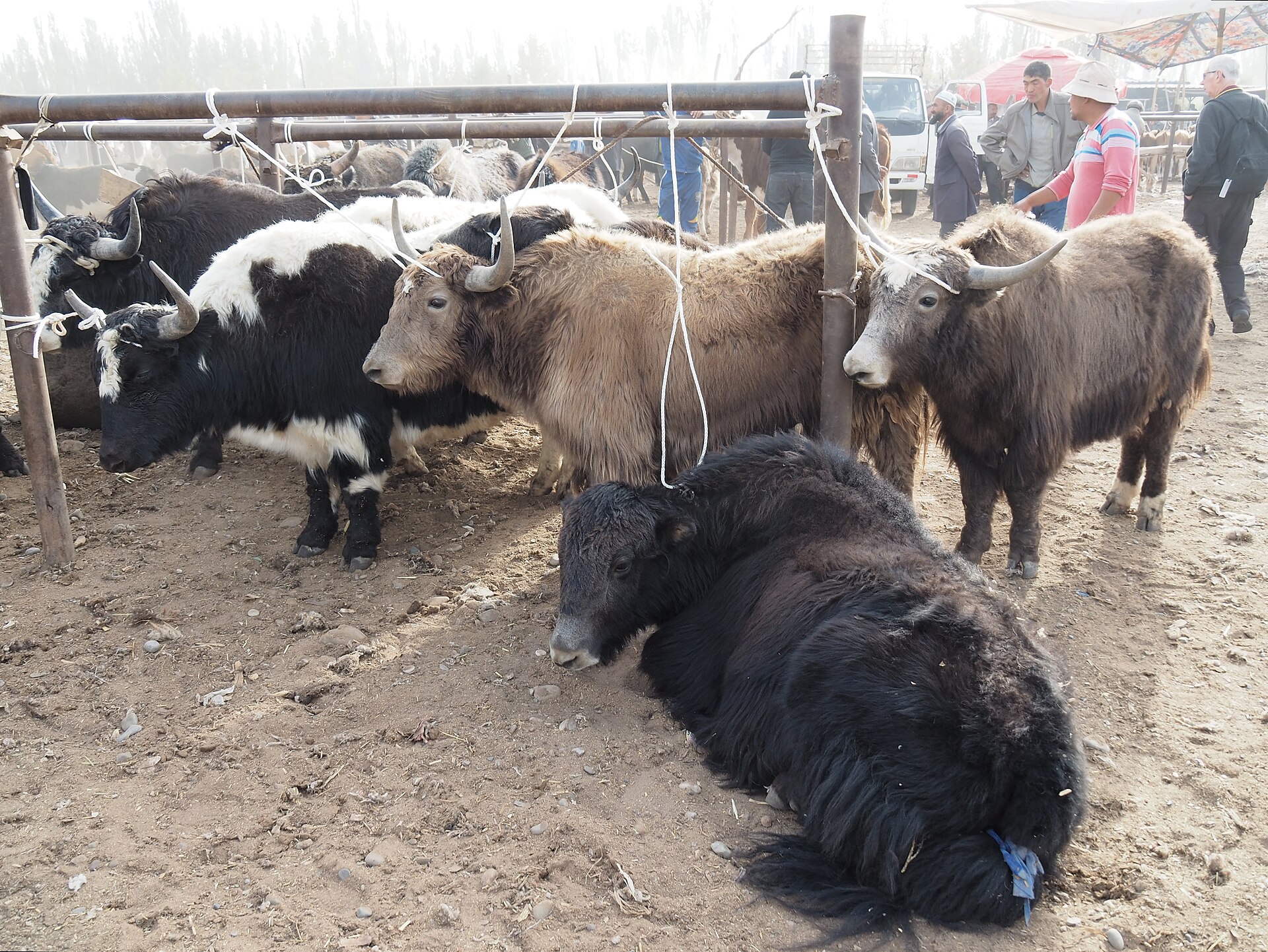
This is a workplace. Stay out of animal lanes and bargaining circles, avoid flash, ask before portraits and do not call strangers herders, traders or members of an ethnic group from clothing alone. Animal handling can be direct and uncomfortable for some visitors; anyone sensitive to slaughter, dust or close livestock should choose another market.
The central bazaar, old-city food streets and livestock market are different environments. A signboard or souvenir aisle does not establish that an object is handmade locally. Ask about material, origin and price, and keep receipts for regulated products. Bargaining may occur, but courtesy and an easy refusal are more useful than a fixed “percentage off” rule.
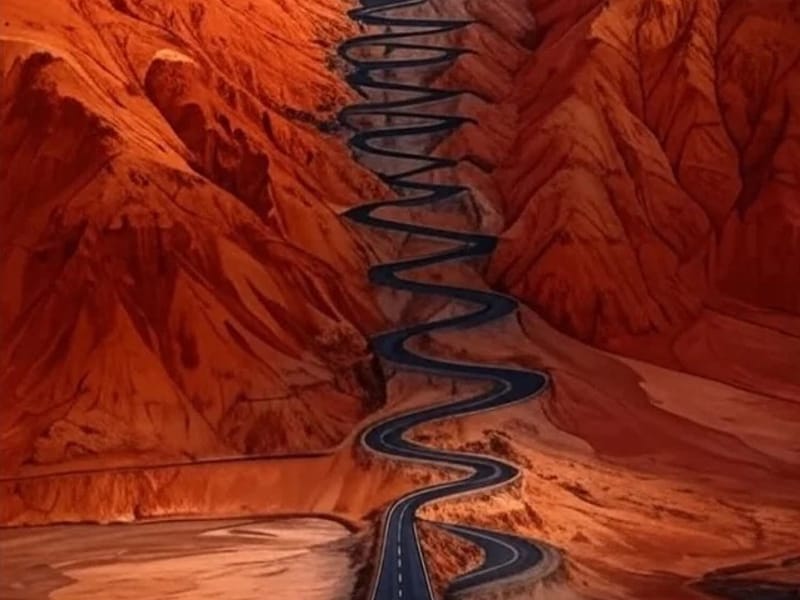
The G314 corridor toward Karakul Lake and Tashkurgan enters high, sensitive border country. Xinjiang's public-security system lists a current border-management-area pass process, including online reservation for eligible applicants, but the method can differ by nationality and document; foreign passport holders may need in-person or agency coordination. Verify the exact 2026 rule with public security and a licensed operator before paying. A domestic traveller's screenshot is not proof for a foreign passport.
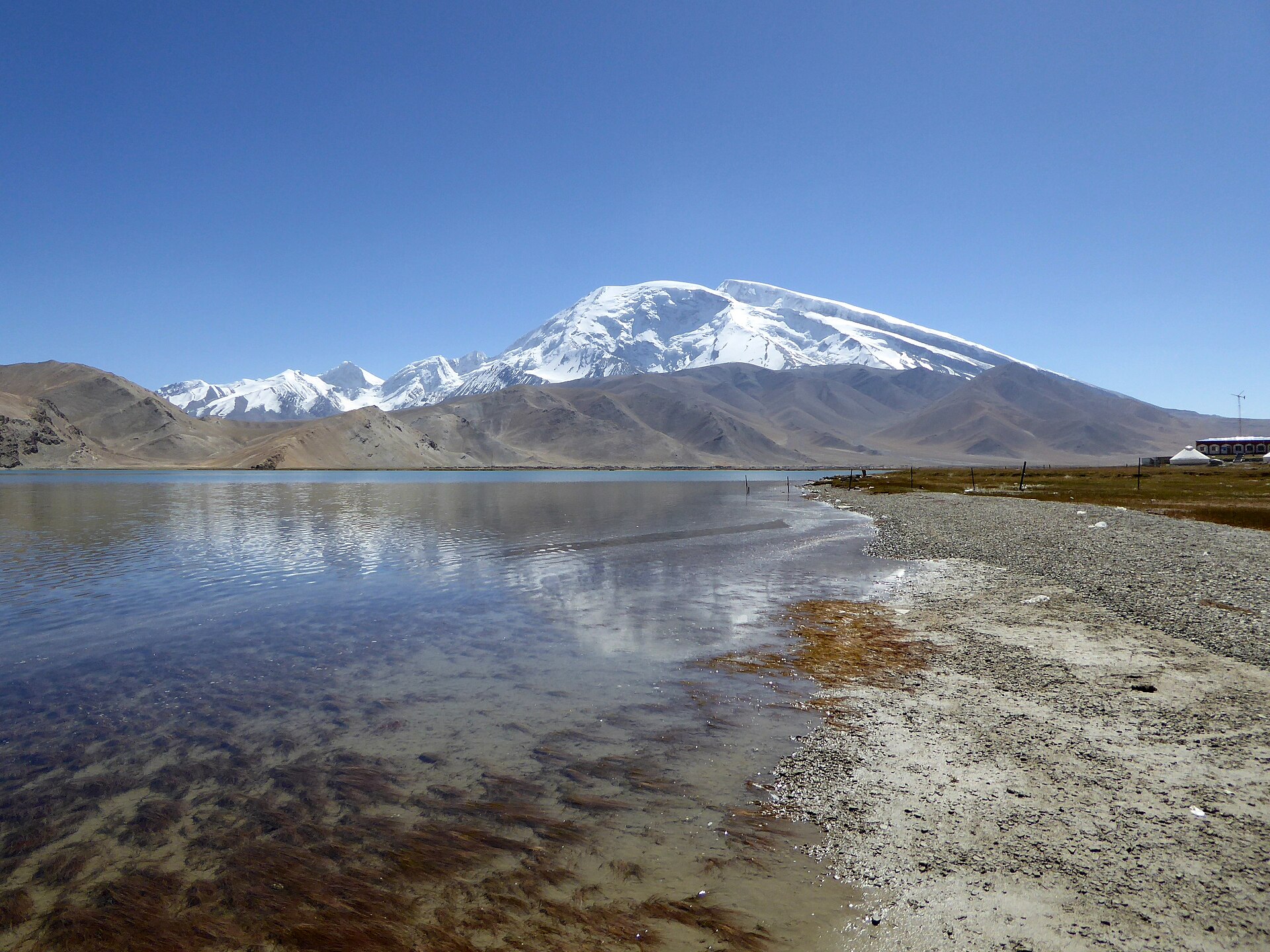
Name the route in writing: road access, Karakul stop, permitted Tashkurgan sites, accommodation and return. A January 2026 weather event temporarily closed Pamir attractions, Muztagh glacier areas and the Panlong road, while a May notice prohibited entry to specified undeveloped mountain areas. Those examples show why “the highway is open” does not authorise side trails or every attraction.
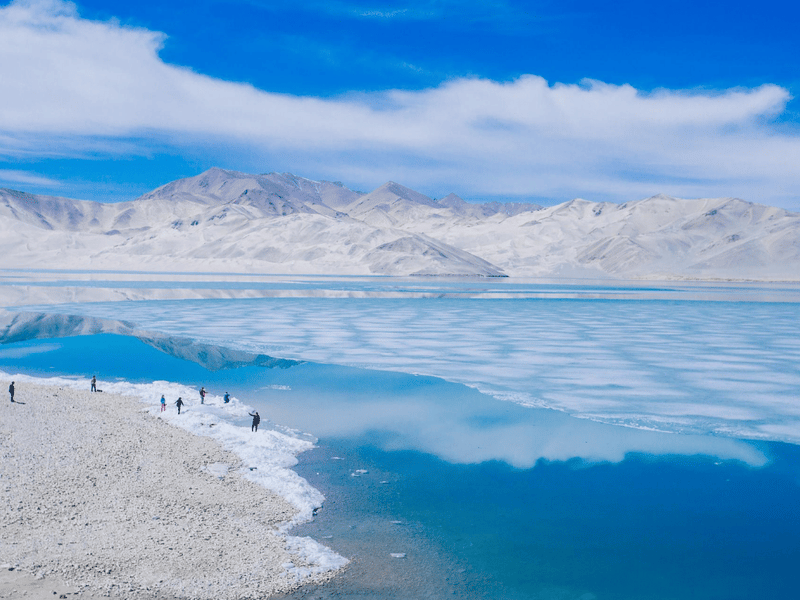
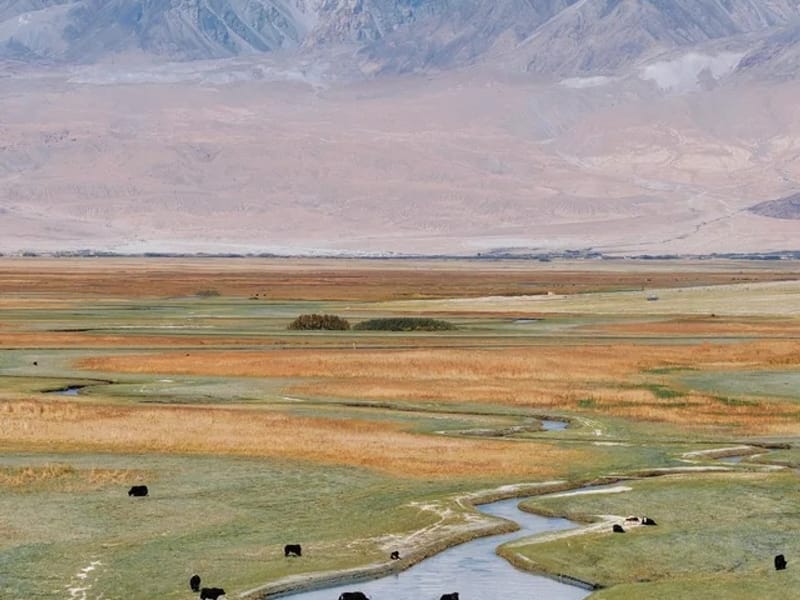
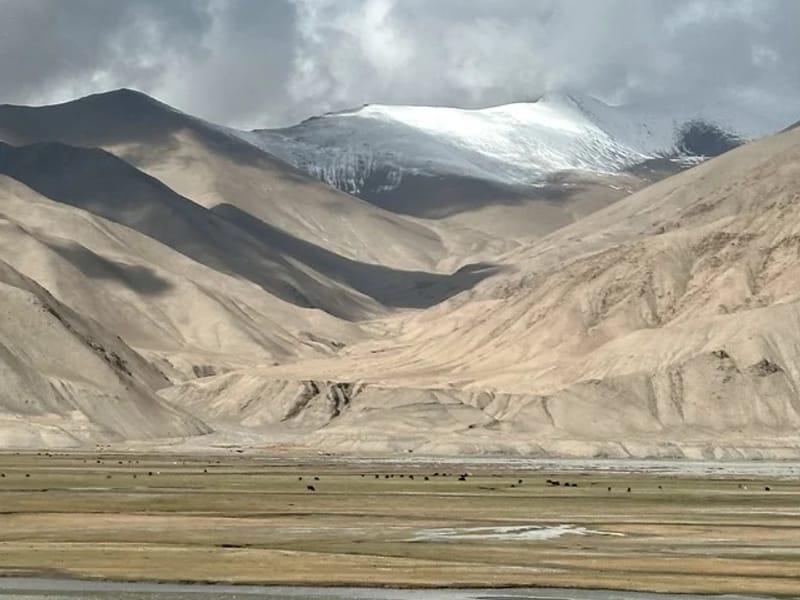
Karakul sits at genuine high altitude. Fitness does not prevent acute mountain sickness. Do not ascend with a headache plus nausea, dizziness or unusual fatigue; descend and seek help if symptoms worsen. Confusion, inability to walk straight or breathlessness at rest are emergencies. A lake reflection, pasture colour or clear view of Muztagh Ata is never guaranteed.
A city visitor who has a suitable hotel, current opening information and translation tools may explore independently. A licensed guide adds value when they interpret documented urban history, arrange consent for a workshop and distinguish a public programme from ordinary religious or residential life. They should not claim private access to homes or worship.
For the Pamirs, use an operator who checks the actual passport against the current border process, names the vehicle and driver, builds rest into the shift, carries emergency contacts and accepts closure without an illegal detour. Reject anyone who promises to bypass a checkpoint or enter an undeveloped mountain route. Written cancellation terms matter because weather can close the corridor.
Carry the original passport, offline bookings, warm and sun layers, water, medication and payment redundancy. Dress for the setting and ask before close photographs. Kashgar is not improved by calling it frozen on the Silk Road; the worthwhile visit notices how trade, faith, tourism, rebuilding and border geography operate together now.
Private & flexible · English-speaking guide · real-time online booking.
Tell our local experts what you'd like to see and we'll design a private, tailor-made itinerary with English-speaking guides — free plan & quote, no obligation.