Updated 2026 · 12 min · by NebulaTrip local experts
“Avatar mountains” is a useful search phrase but a poor itinerary. The pillar landscape is inside Wulingyuan, commonly entered through Zhangjiajie National Forest Park or the Wulingyuan gates; Tianmen Mountain is a separate attraction beside Zhangjiajie city; the Grand Canyon Glass Bridge is a third site in Cili County. Give Wulingyuan priority, add Tianmen if you have a second full day, and treat the glass bridge as an optional third-day choice rather than forcing all three onto one ticket.
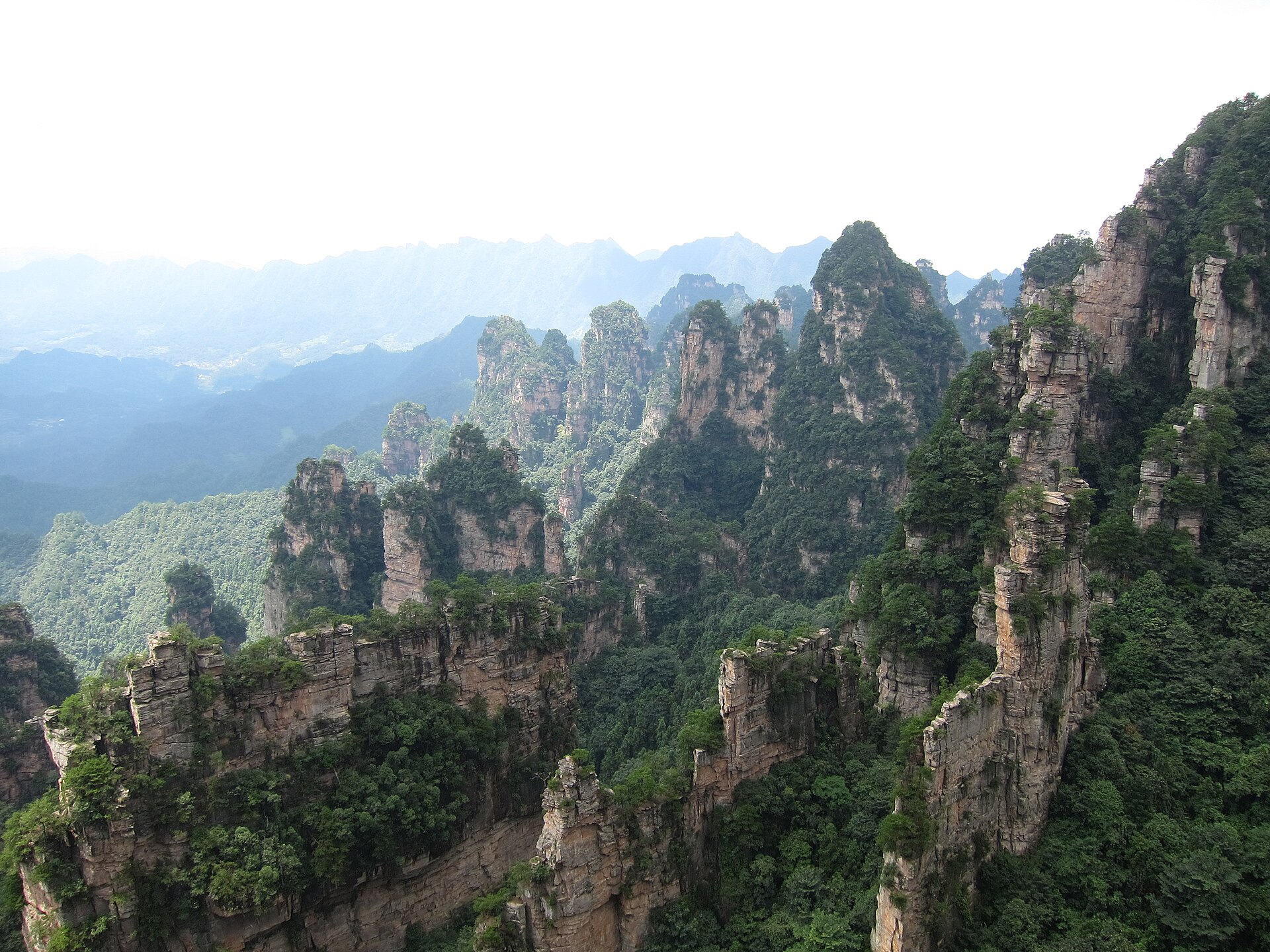
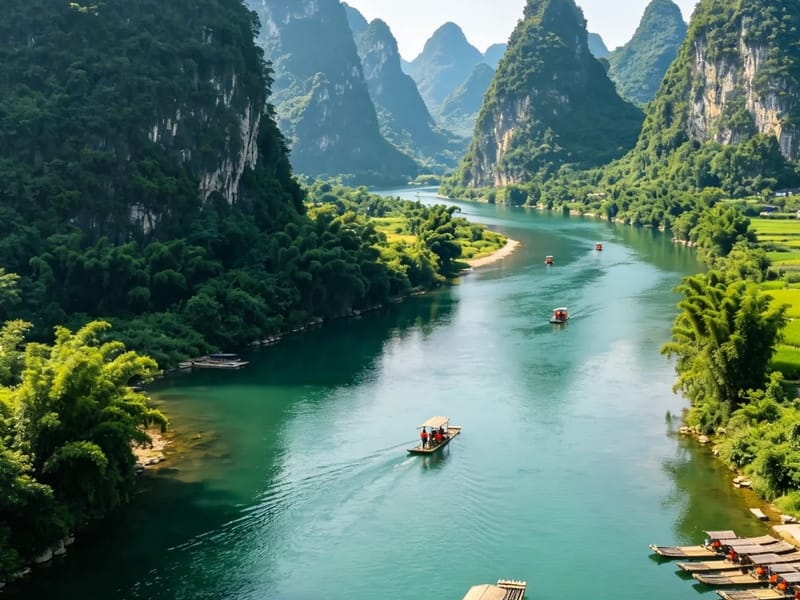
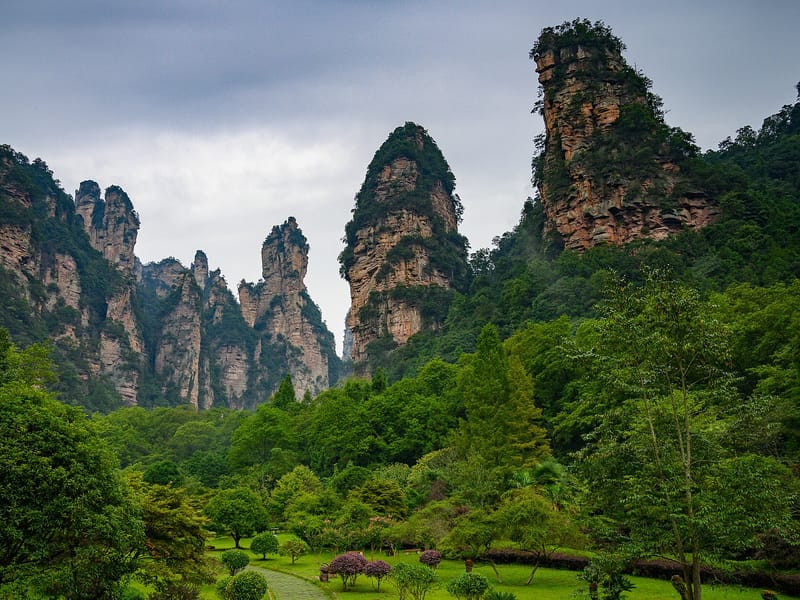
Choose Wulingyuan for the quartz-sandstone pillars, deep ravines and ridge-top viewpoints associated with the “Avatar” nickname. Yuanjiajie and Tianzi Mountain are zones within this large scenic system, not separate city attractions. Zhangjiajie National Forest Park is both a historic name and one entrance area within the wider Wulingyuan trip, which is why maps and ticket pages can appear to use overlapping labels.
The scenery does not fit into a quick cable-car stop. Five main gates serve different sides of the core area, and internal buses link lifts, cableways and walking routes. A multi-day ticket may be available, while lift and cableway combinations follow their own current product rules. Check the 2026 official ticket page before deciding how many entries or rides a package includes; a 2023 price announcement proves a ticket system existed, not what your date now costs.
Mist is neither failure nor a guaranteed “floating mountain” effect. Dense cloud can erase every distant pillar; a break twenty minutes later can reopen the view. Build two or three major zones into the day rather than a checklist of every named platform. When visibility closes, use a lower valley walk or pause instead of racing between expensive lifts in search of a photograph.
A useful first-day shape is to enter from the Wulingyuan side, use the Bailong Elevator or another open uphill connection, walk selected Yuanjiajie viewpoints, continue by shuttle toward Tianzi Mountain, then descend by the transport that matches your exit. The reverse direction can work just as well. The important point is that the entry gate, ascent and descent form a loop; a driver waiting at the wrong gate can erase the time you saved.
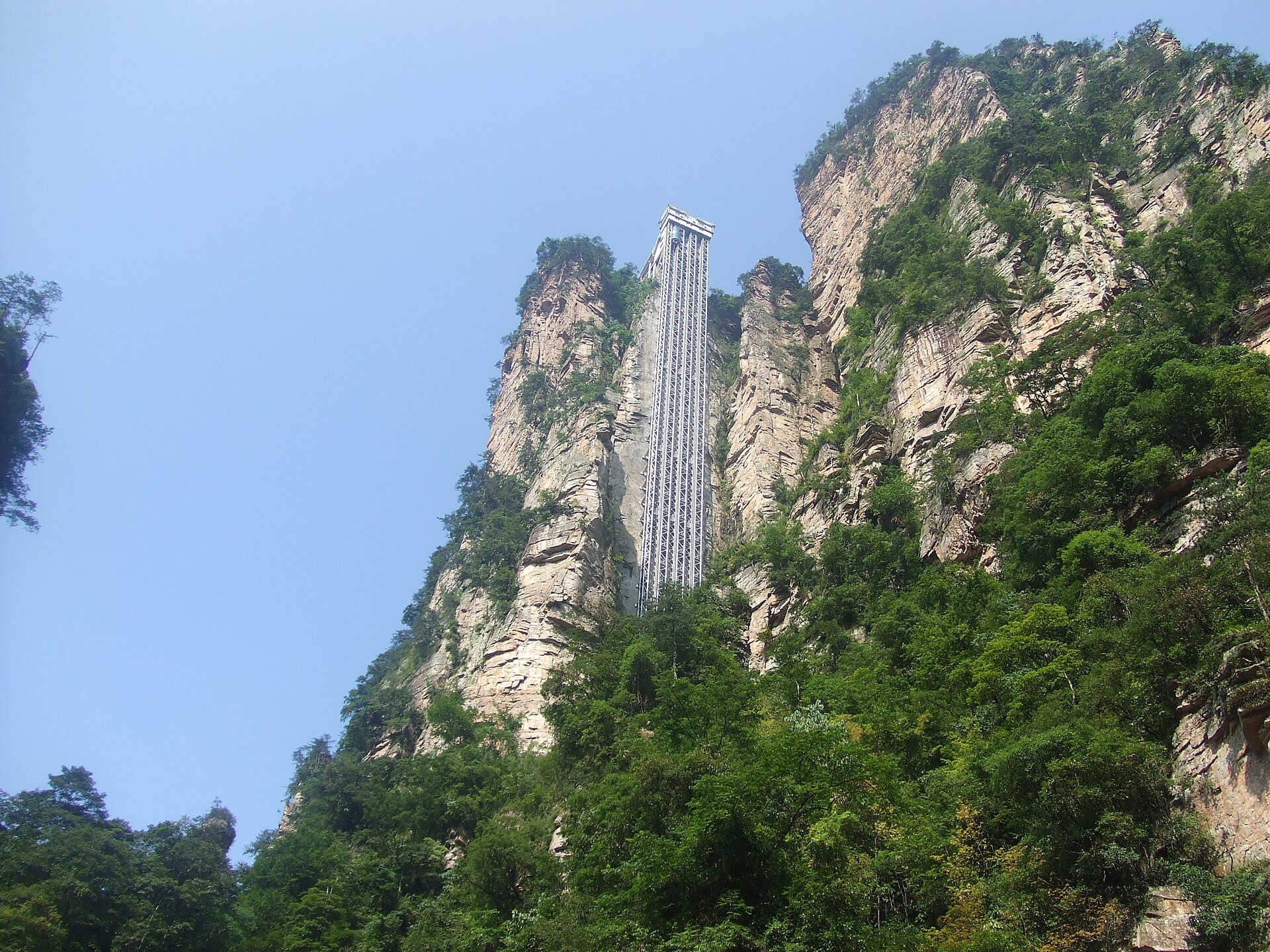
Bailong is transport as well as an attraction. A photograph of its cliff-side shafts does not prove current queue length or that it is the best ascent for every route. If queues are severe, a cableway or walking alternative may produce a better day. Shuttle buses are included in the core scenic transport system, but they do not operate like city buses with a simple grid: staff may group visitors by the next open zone, and last services matter.
Mobility needs honest planning. Railings and lifts reduce some climbing, yet viewpoints still involve steps, uneven surfaces and long distances between drop-off points. Carry water, a rain layer and shoes with grip. Do not step beyond barriers for an unobstructed pillar image; the landscape is protected and a clouded photograph is not a reason to use an unmanaged edge.
Tianmen Mountain combines a high mountain circuit, cliff paths, glass-walkway sections and Tianmen Cave. Its cableway and road are not Wulingyuan transport, and the cave is not the Grand Canyon Glass Bridge. Buy the Tianmen product for the route letter, time and direction actually offered on your date; cableway, shuttle and escalator sequences can be assigned differently as operations change.
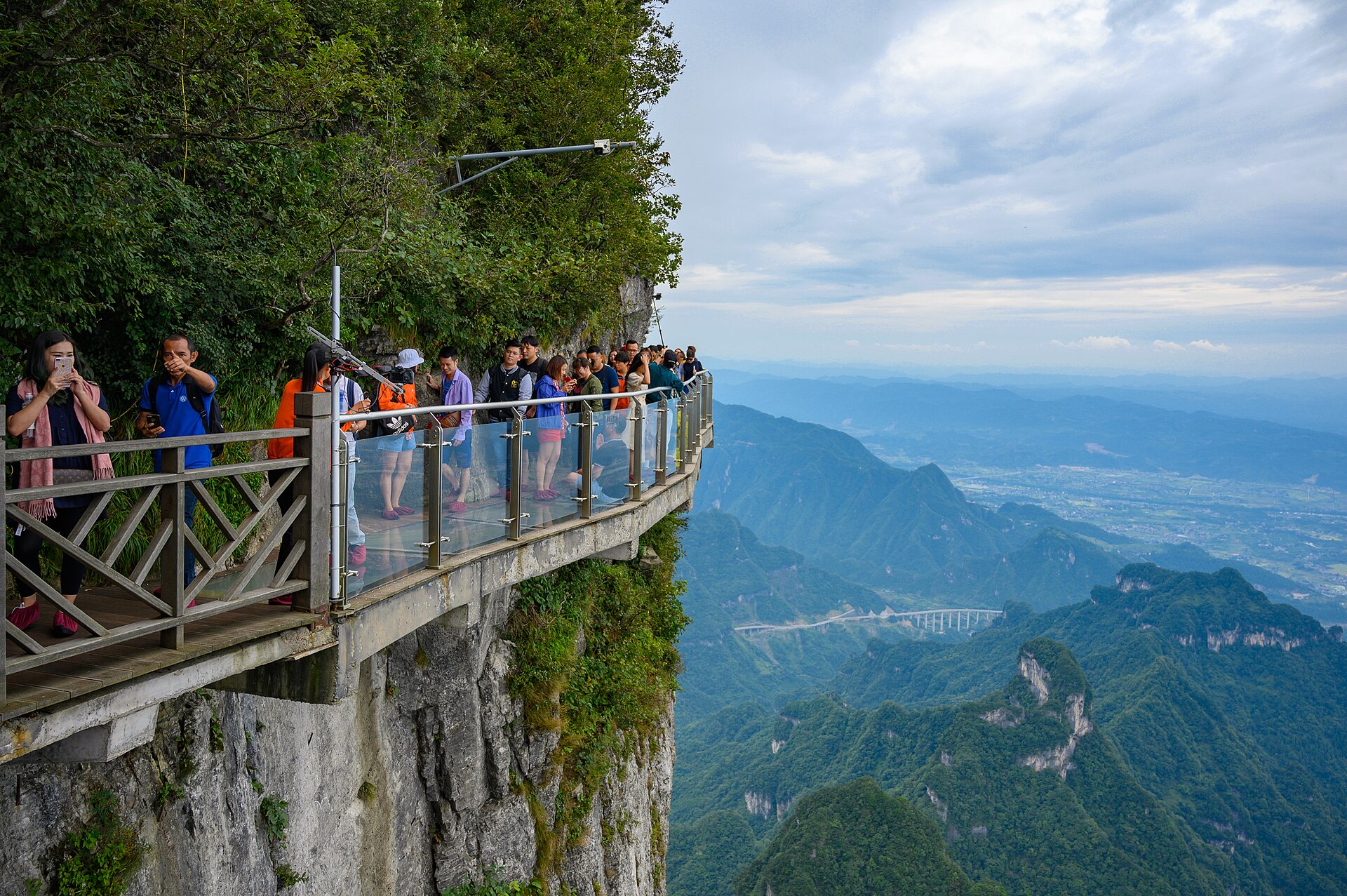
A 2026 Hunan government notice is a useful warning against evergreen route diagrams: from May 12, the East Line glass walkway closed for maintenance while the Panlong Cliff and West Line glass walkways remained open. The mountain itself was not therefore “closed,” but a visitor following an old east-loop map would have been wrong. Check the latest notice rather than choosing a ticket for one named glass segment.
Allow most of a day. The experience includes queues, changes of transport, the summit loop and the cave area; it is not just a cable-car ride. Wind, lightning, ice or maintenance can alter exposed sections. Anyone uncomfortable with heights can still use non-glass paths where available, but the route should be confirmed before purchase rather than assumed from a promotional video.
Zhangjiajie Grand Canyon and its glass bridge lie away from both Wulingyuan's core gates and Tianmen Mountain. The bridge is a long transparent span across the canyon; Tianmen has glass panels attached to mountain walkways. Confusing the two can leave a traveller holding the wrong ticket in the wrong county.
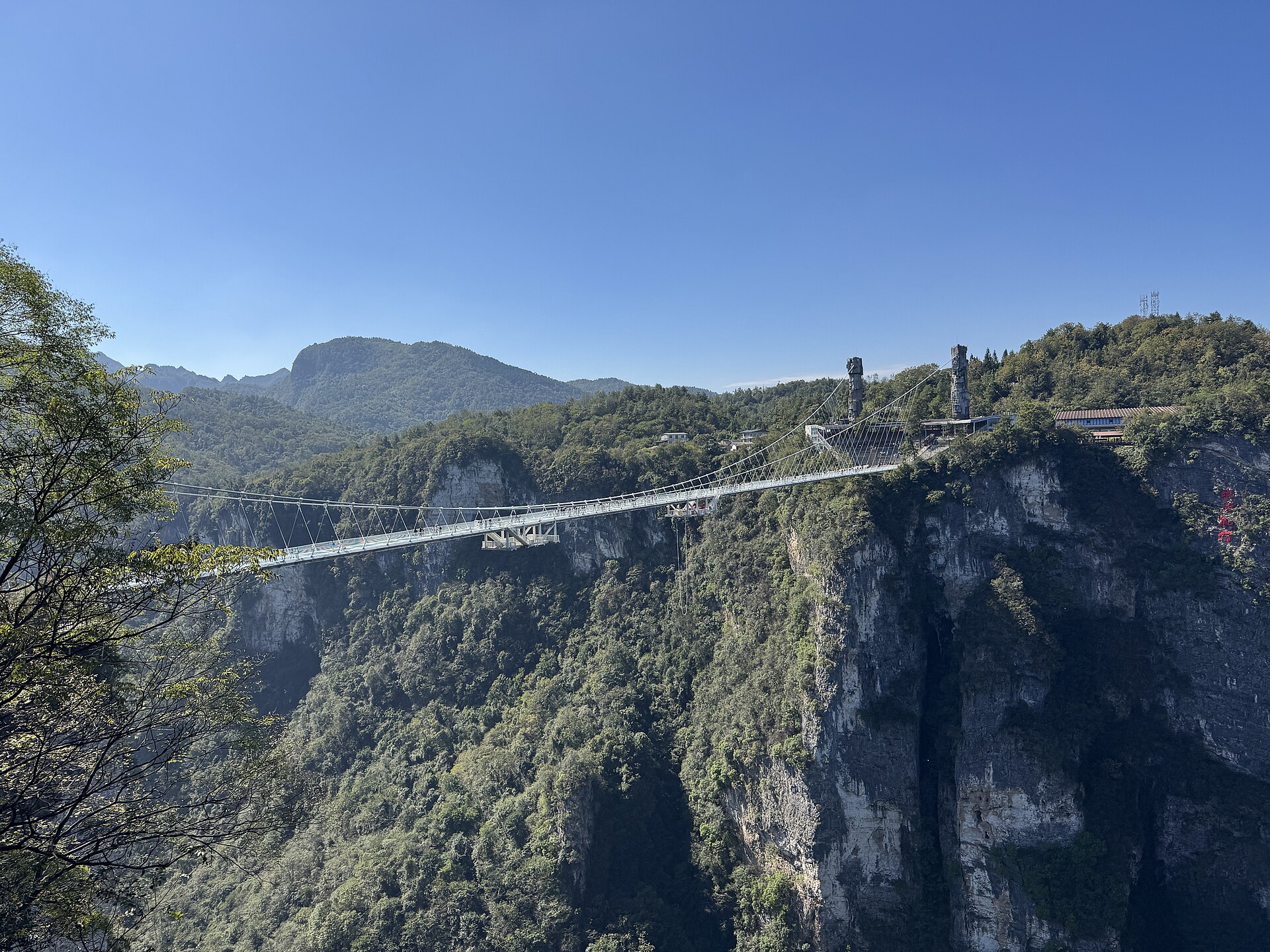
Add the Grand Canyon when the bridge itself is a priority or when you want a shorter engineered attraction after two walking-heavy days. Skip it when time is tight, someone dislikes transparent floors, or the forecast makes an exposed bridge a fragile plan. A timed bridge entry does not automatically include every canyon activity, lift or exit route. Read the live product inclusions and baggage rules before leaving the hotel.
Weather and maintenance can interrupt glass attractions even when the wider destination remains open. In April 2026, police documented AI-generated rumours falsely claiming that this bridge had collapsed; the lesson is to use the scenic area's current notice, local government or ticket platform, not a dramatic repost. If the official product is suspended, do not substitute an unverified village glass bridge merely to complete the label.
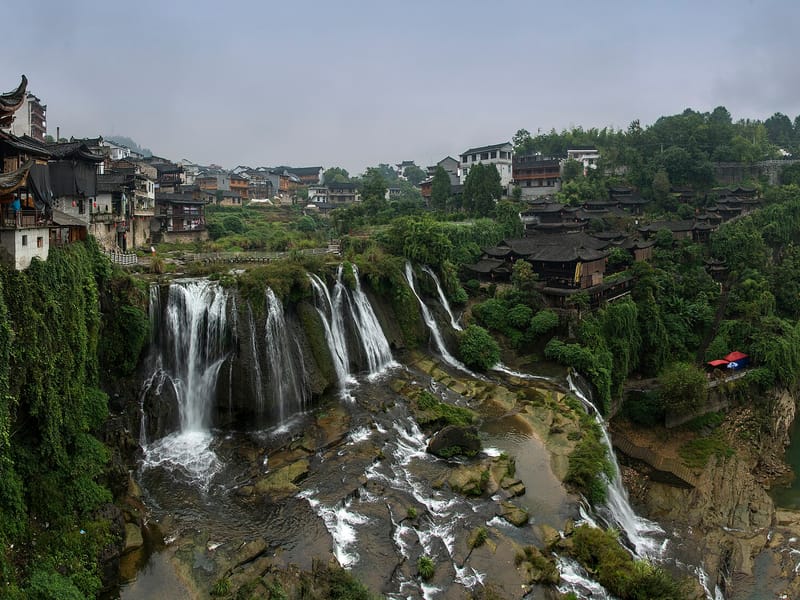
With two full days, assign one to Wulingyuan and one to Tianmen. With three, either return to a different Wulingyuan zone or add the Grand Canyon. A one-day visit should choose Wulingyuan and accept that it is a sample. Fenghuang is not a spare afternoon inside Zhangjiajie; it needs an intercity transfer and its own overnight logic.
Stay near Wulingyuan when two park days are the priority. Stay in Zhangjiajie city when Tianmen, the airport or the railway station determines the schedule. Splitting hotels can reduce driving but costs packing time. A guide is valuable for live route changes and gate coordination, not because independent entry is impossible; a driver alone cannot accompany you through the internal shuttle system.
Reserve with the same passport you will carry and save each attraction's Chinese name. Start early for operating margin, not a promise of empty viewpoints. Keep one route movable if rain or low cloud dominates the forecast. Finally, distinguish image from evidence: an old clear-sky Yuanjiajie photograph proves the pillars exist, not that visibility, foliage, lift routes or crowd levels will match it in 2026.
Private & flexible · English-speaking guide · real-time online booking.
Tell our local experts what you'd like to see and we'll design a private, tailor-made itinerary with English-speaking guides — free plan & quote, no obligation.