Updated 2026 · 10 min · by NebulaTrip local experts
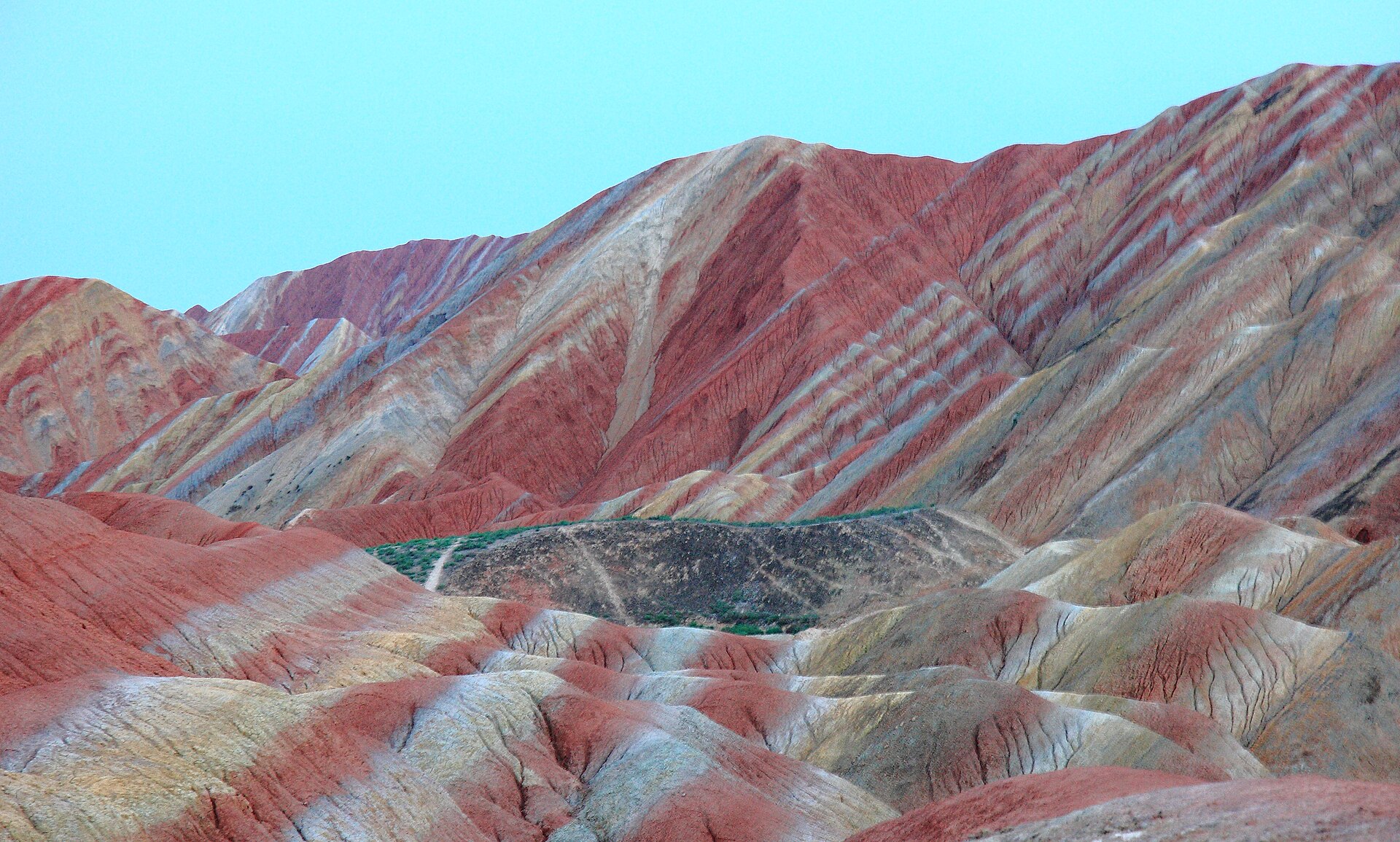
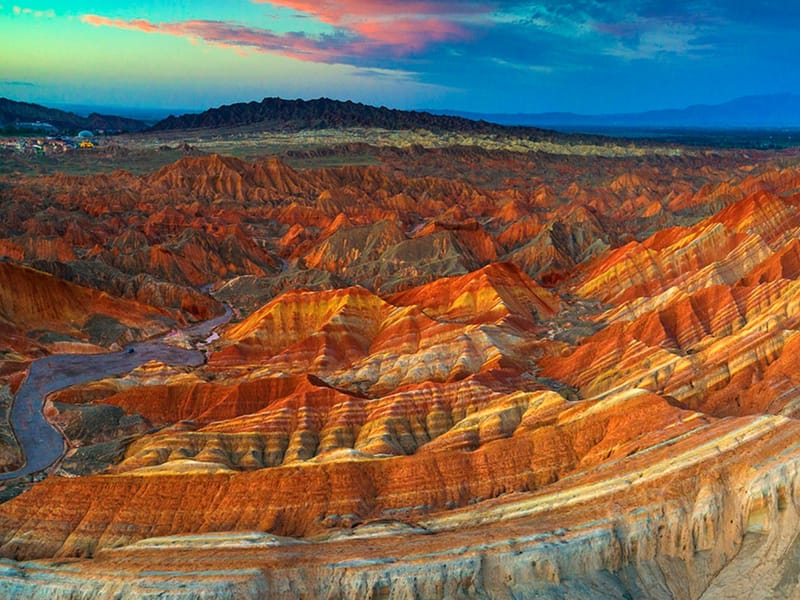
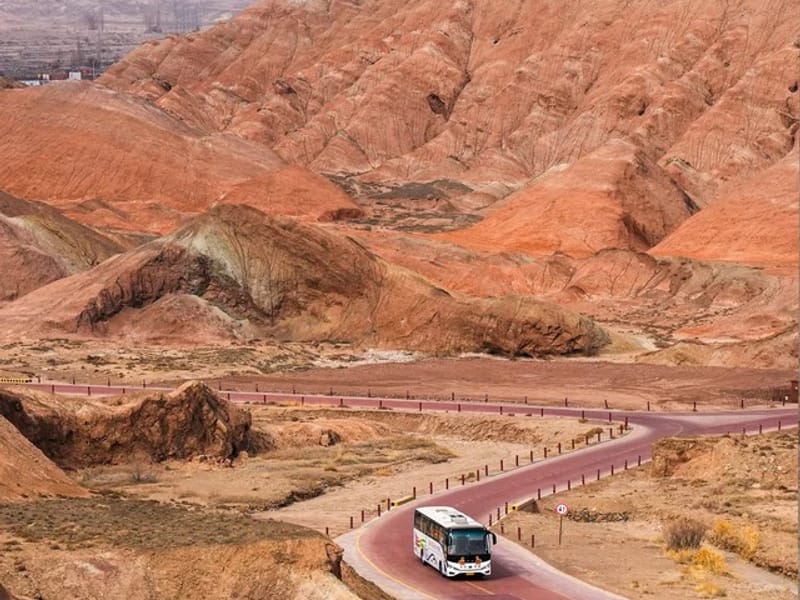
Zhangye's striped hills are real, but the neon “rainbow mountain” often seen online is partly a product of light, weather, camera processing and screen saturation. Visit Colorful Danxia for broad bands and managed viewpoints; add Binggou only if sculpted red towers justify another separate ticket and transfer. One well-timed half day is enough for the main area. The honest plan does not guarantee sunset, number a platform from an old map or encourage stepping onto fragile slopes for a cleaner photograph.
Zhangye sits on the Lanzhou–Xinjiang rail corridor and fits naturally between other Hexi destinations, but the scenic area is outside the urban station zone. Record the exact railway terminal—Zhangye West and the conventional station are not interchangeable—and arrange a road transfer to the official entrance. A train arrival does not leave enough time for sunset if the schedule ignores luggage, hotel check-in and the gate cutoff.
Stay one night when possible. Arrive, leave luggage, visit in the later part of the day if operating hours and weather allow, then continue by rail the next morning. If the only arrival is late, use the following morning rather than asking a driver to race closing time. China Railway's current advance-sale window applies, but the exact train and station release time still need checking.
Colorful Danxia and Binggou are different scenic areas. A “Zhangye Danxia transfer” must name which one, whether waiting time and return are included, and which entrance is used. Do not accept a photograph as proof that a tour includes both.
Inside Colorful Danxia, use the official sightseeing vehicles and marked platforms. Entrance-specific circulation can affect the order, and construction or crowd control can change stops. That is why an old instruction to rush to “Platform 4” is weaker than the current map at the gate. Ask staff which stop offers a broad overview and which route returns to your entrance.
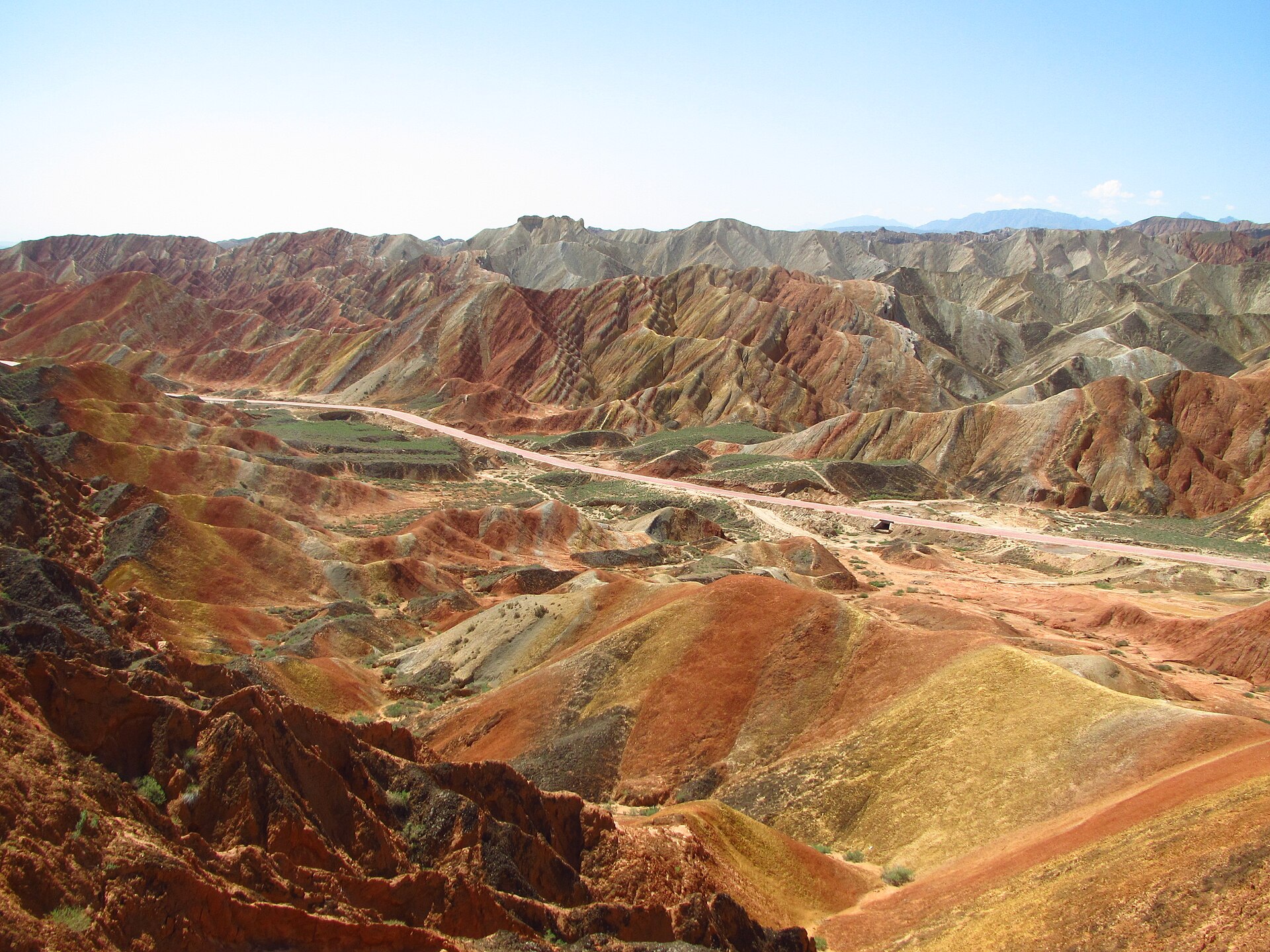
Do not try to walk vehicle roads or cross the landform between platforms. The protective rails are not an obstacle to photography; they keep thousands of shoes from eroding the coloured layers and prevent falls on loose material. Use a longer focal length, wait for an open sightline and accept people in a functioning public viewpoint.
Allow several stops but do not treat each as mandatory. Strong heat, wind or limited mobility may make two unhurried viewpoints better than the full loop. Check the last shuttle and exit arrangements before settling in for evening light. Sunset is an astronomical time; the park's last movement and the horizon around a specific platform are operational facts that must also align.
Low-angle light can reveal relief and colour separation, while flat midday or heavy overcast can make the same ridges look subdued. Rain may darken exposed surfaces, but it can also obscure the landscape, create slippery boards or trigger operational controls. “After rain is best” is not a safe reason to chase a storm.
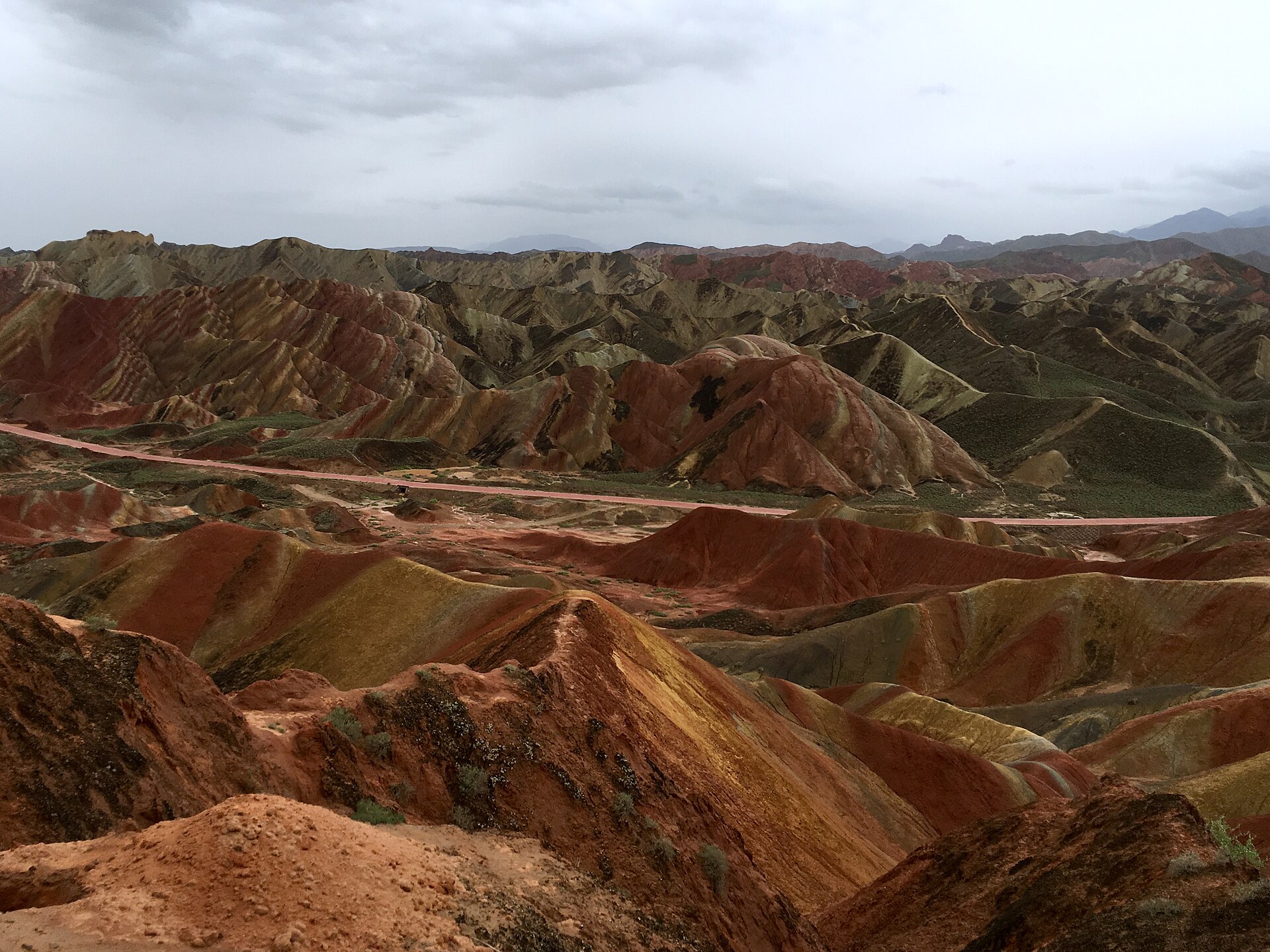
Use the forecast to choose morning or afternoon, then accept the result. No guide can guarantee red saturation, a visible sunset or cloud placement. Compare photographs only after recognising that white balance, contrast and saturation differ. The visible geology does not become fake because it looks less fluorescent than a promotional image.
The exposed corridor needs sun protection, water, a wind layer and clothing for a sharp evening temperature change. Avoid drones unless the current scenic-area rules explicitly permit the operation and all aviation requirements are met. Tripods, commercial photography and special experiences can also have separate rules; a normal admission ticket should not be assumed to authorise them.
Binggou emphasises eroded red towers, walls and castle-like forms rather than the main area's broad coloured stripes. Add it for geomorphology or walking interest, not because the first ticket feels incomplete. It requires its own current admission, transport and time budget, and a photograph of one area should never caption the other.
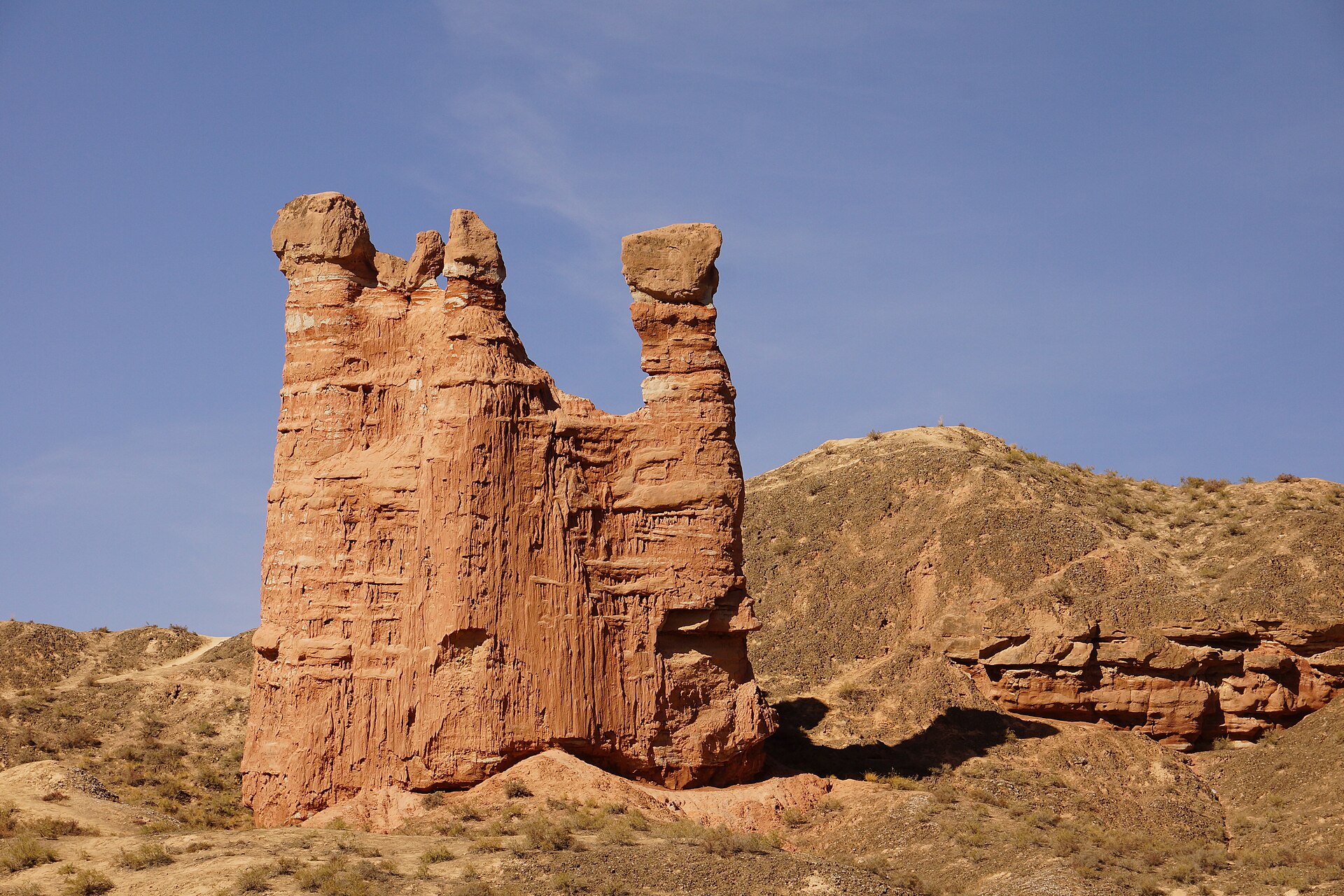
Combining both works only with a driver or tour that names the order, waiting time and closing constraints. If light is the priority, protect the selected Colorful Danxia window instead of letting an overlong Binggou walk make the group late. If geology is the priority, give Binggou the time and accept less control over evening light.
Stay on its marked trails as well. These formations are protected geological resources, not scrambling terrain. A quieter platform is not permission to cross a barrier. Carry rubbish out, do not remove stones or sediment, and do not use camels, balloons, helicopters or other add-on products unless the exact operator, safety terms and day's conditions are acceptable.
Use the official ticket channel and current map; ticket prices were adjusted under a 2025 municipal decision, so old blog totals are unreliable. Confirm whether the sightseeing vehicle is bundled, which entrance the identity document is linked to, and whether re-entry is allowed. Keep the original passport and offline booking available.
An independent visit is straightforward with a prearranged return ride. A guide adds value by explaining the difference between colour-bearing strata and sculpted Danxia forms, adapting to the current shuttle sequence and coordinating a wider Hexi route. They cannot identify millions of years of geology from invented folklore, reserve an empty public platform, or control the sun.
Leave a train buffer after the visit. A delayed last shuttle, traffic or weather should not threaten the next city. The successful Zhangye stop is not the most saturated photograph; it is a legally accessed view, enough time to observe changing relief, and a route that preserves the landform for the next visitor.
Book the Day Tour to Zhangye Danxia Rainbow Mountains with real-time availability.
See tour & book Plan with AIPrivate & flexible · English-speaking guide · real-time online booking.
Tell our local experts what you'd like to see and we'll design a private, tailor-made itinerary with English-speaking guides — free plan & quote, no obligation.