
The Forbidden City is the architectural center of imperial Beijing and one of the most reservation-sensitive sights in China. Its courtyards, gates and palace halls form a huge ceremonial axis, but the most rewarding visit also steps into the quieter side compounds where emperors, empresses and court officials actually lived and worked.
The Forbidden City quick facts
| Location | Central Beijing, directly north of Tiananmen Square |
|---|---|
| Time needed | 3–4 hours for a first visit |
| Best for | History, architecture and first-time Beijing itineraries |
| Main route | Enter from the south and exit at the north gate |
| Booking | Advance reservation and matching passport details are strongly recommended |
What makes the Forbidden City essential
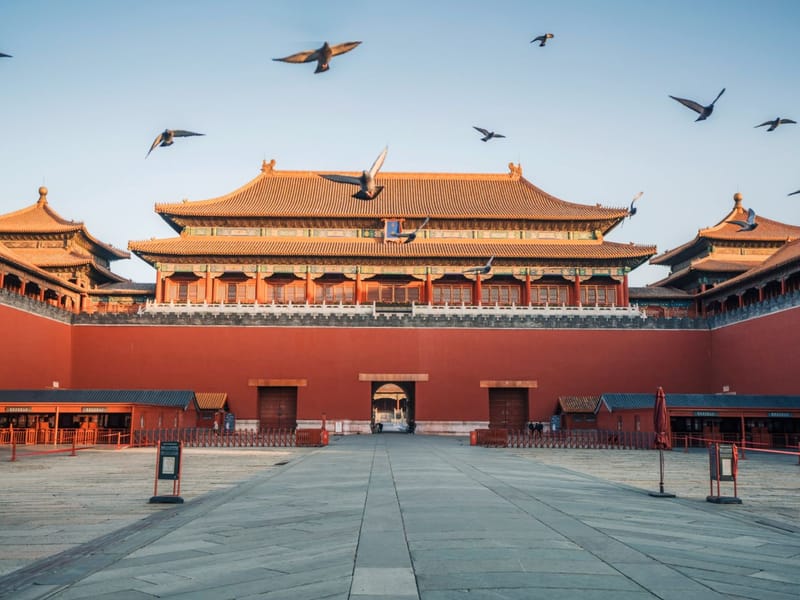
For almost five centuries, the palace complex was the political and ritual heart of the Ming and Qing empires. The scale is best understood on foot: visitors move from monumental outer-court halls used for state ceremonies into the inner court and residential gardens. Repeated rooflines, stone terraces and axial courtyards reveal how space itself expressed hierarchy and imperial power.
A sensible walking route
Use the traditional south-to-north flow. After the Meridian Gate, follow the central axis through the great ceremonial halls, then continue into the inner court. Before leaving, choose one or two side areas rather than trying to cover every gallery. The Treasure Gallery or the eastern palaces can add context, while the Imperial Garden provides a calmer final stop before the north exit.
Tickets, security and passports
The Forbidden City is not a place to plan spontaneously during a busy period. Reservation rules and release times can change, and visitors should ensure the passport number and name match the booking. Allow additional time for security around Tiananmen and the palace entrance. Do not schedule another timed attraction immediately afterward because queues and walking time vary.
How to understand what you are seeing
Without context, the central halls can begin to look similar. A guide or a well-structured audio explanation helps connect architecture to court rituals, succession, family life and major historical events. Focus on a few details—roof animals, carved ramps, throne placement and gate alignment—rather than racing through the entire complex.
Best nearby combination
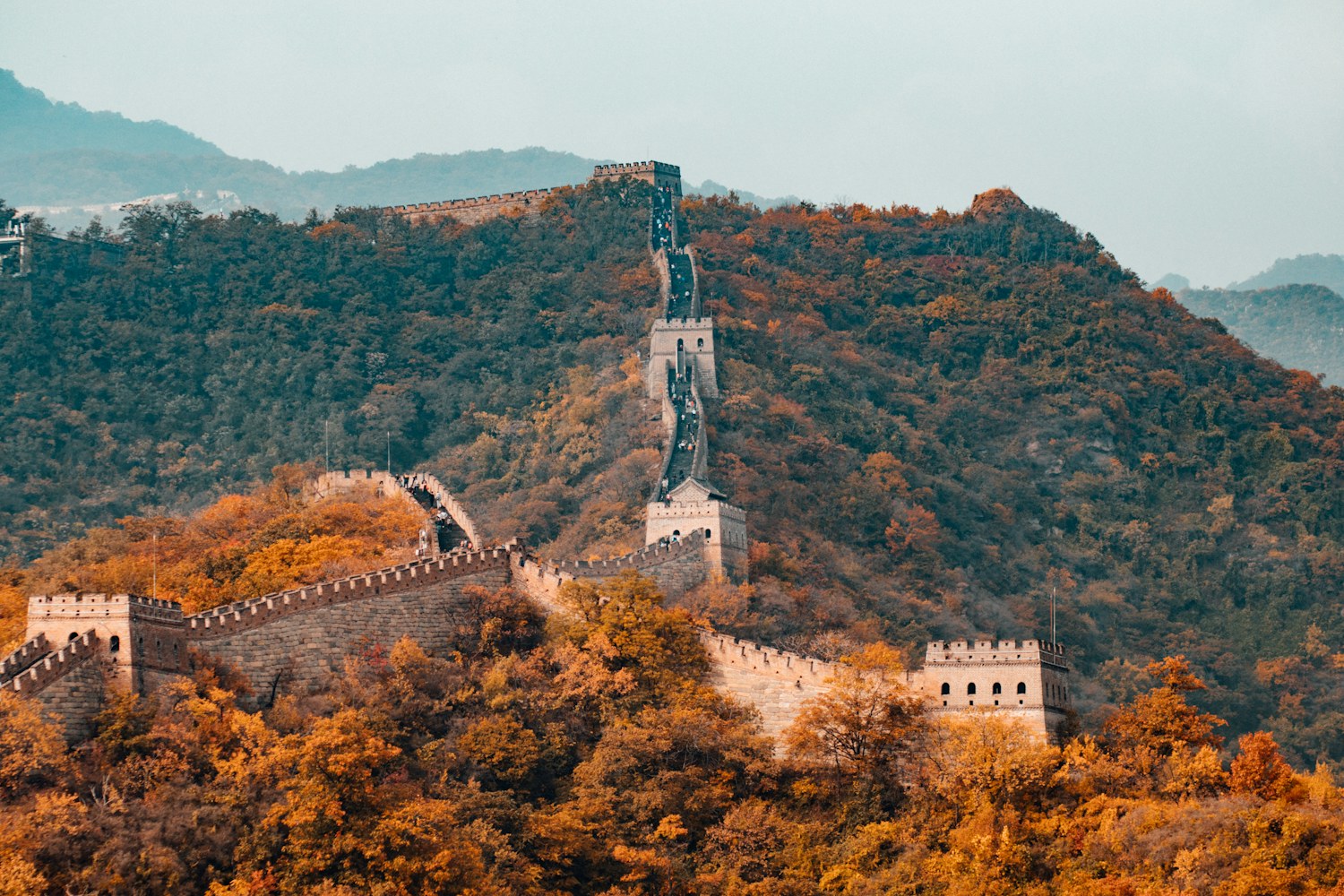
Jingshan Park is the natural follow-up after the north gate; its hill gives the classic aerial view over the palace roofs. Tiananmen Square can be paired before entry if reservations align. Hutongs around Shichahai are better left for later in the day, while the Summer Palace and Great Wall deserve separate days.
Frequently asked questions
- Can foreigners book the Forbidden City with a passport?
- Yes, but booking procedures and release windows can change. Use the current official channel or a reliable service and enter passport details exactly.
- How much time should I allow?
- Three to four hours is realistic for the main axis plus selected side halls. History enthusiasts can spend longer.
- Can I enter from the north gate?
- The normal visitor flow is south to north. Plan transport around the designated entrance and the north-side exit.