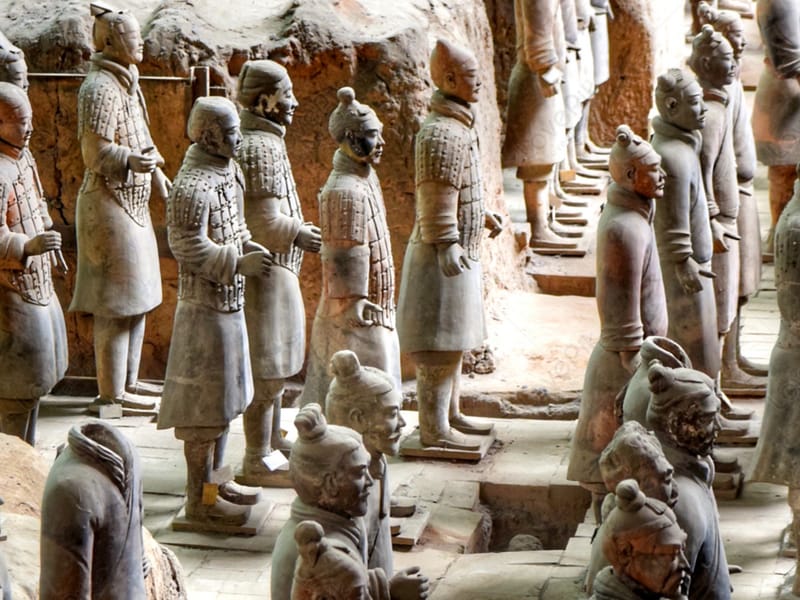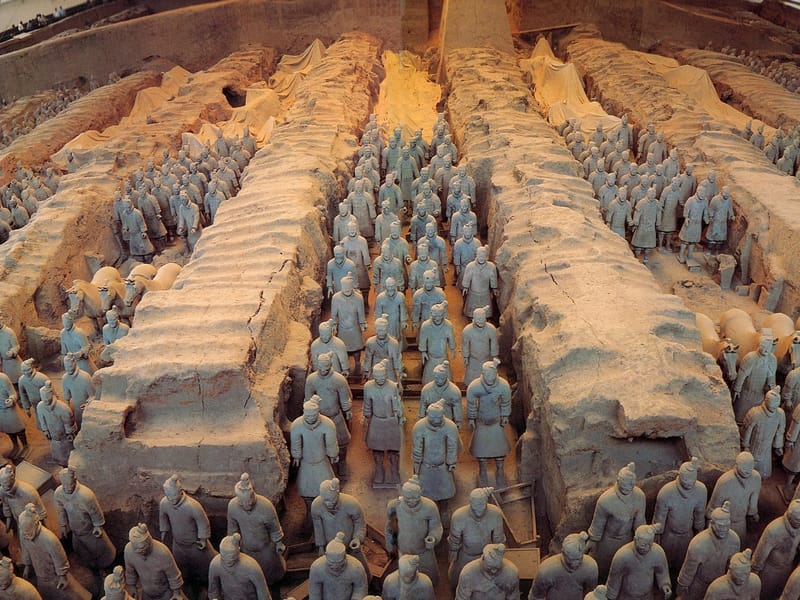

The Terracotta Army is the archaeological centerpiece of a Xi’an trip: thousands of life-size soldiers, horses and chariots created for the mausoleum complex of China’s first emperor. The museum is outside the city center, and the visit is far more meaningful when the pits are seen in a deliberate order with enough historical context.
Terracotta Army quick facts
| Location | Lintong District, east of central Xi’an |
|---|---|
| Time needed | 3–4 hours at the museum; most of a half-day with transfers |
| Best time | Early arrival on a weekday |
| Best for | Archaeology, Chinese history and first-time visitors |
| Planning | Advance booking and passport details are recommended |
Why the site matters
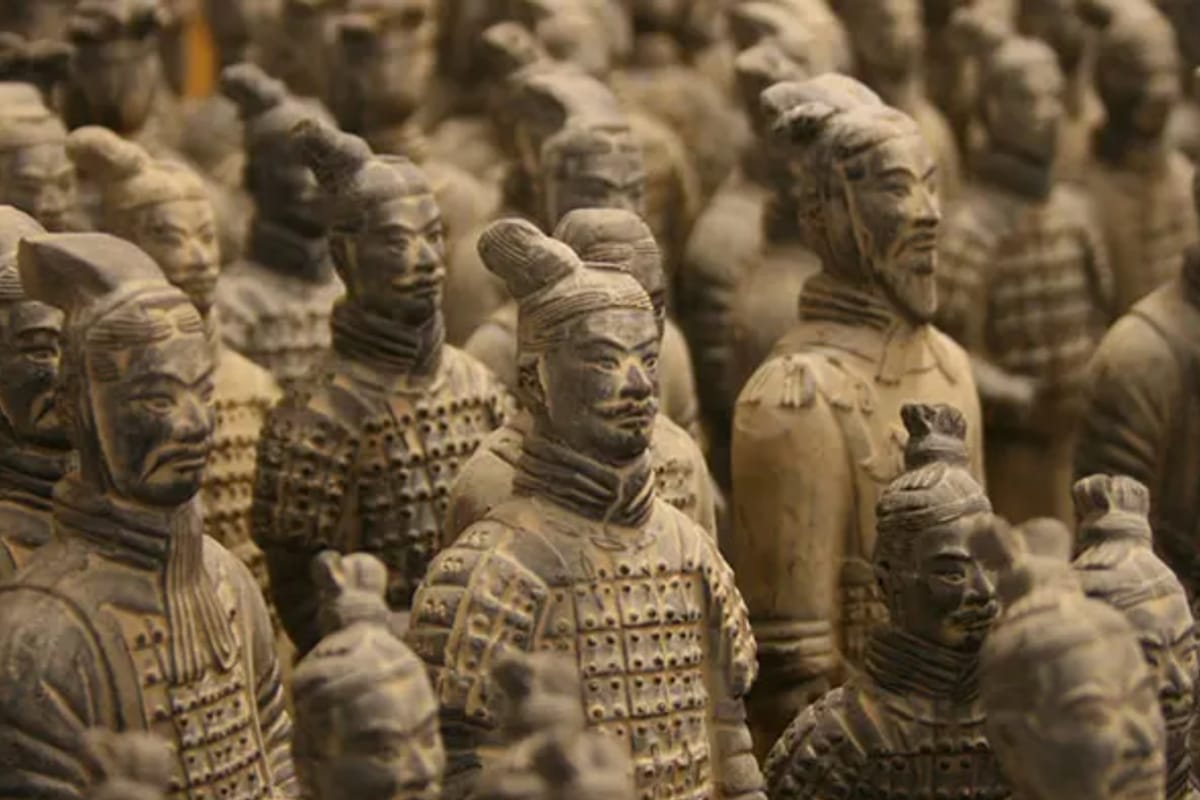
The figures formed part of a much larger funerary landscape built for Qin Shi Huang, the ruler who unified China in 221 BCE. The army was arranged in military formation, but the faces, hair and armor details create striking individuality. The museum also shows how excavation, conservation and reconstruction continue long after the initial discovery.
The best order for the pits
There is no single mandatory sequence, but many visitors prefer to begin with the smaller pits and finish with Pit 1, the vast hall containing the most dramatic ranks of restored warriors. This builds context before the main reveal. Others start with Pit 1 before tour groups peak. A guide can adjust the order based on crowd levels.
How to get there from Xi’an
The museum is outside central Xi’an, so allow time beyond the visit itself. Options include tourist buses, metro-plus-transfer combinations, taxis and private cars. A private transfer is easiest for families or travelers pairing the museum with another site, while independent public transport is practical when the day is not tightly scheduled.
Tickets, guides and visitor flow
Use current official booking information and make sure passport details match. The main halls can be crowded and noisy; an English-speaking guide or audio explanation helps distinguish the pits, command structure and conservation process. Ignore unofficial approaches outside the formal visitor route and verify what any additional ticket or service includes.
What to combine on the same day
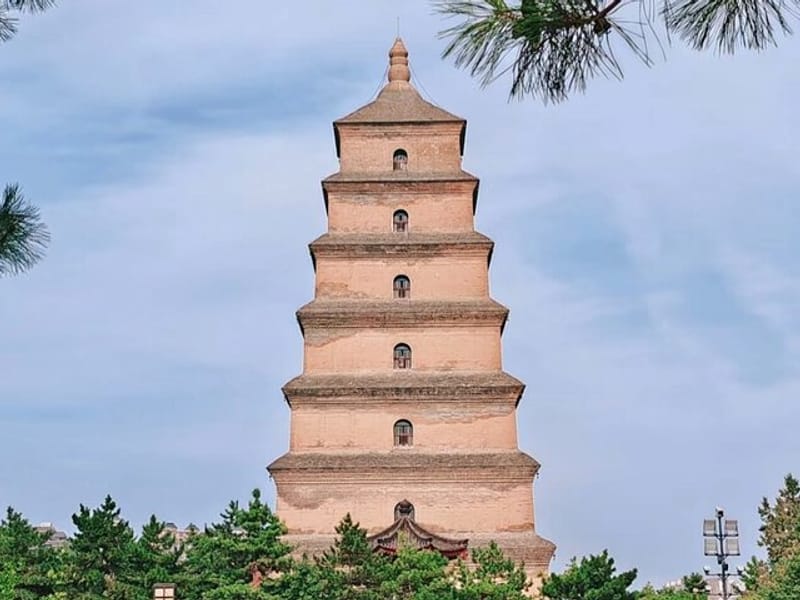
Huaqing Palace is geographically convenient, though many first-time visitors prefer to return to the city for the Ancient City Wall or Muslim Quarter. Do not underestimate museum fatigue: after several hours standing in large halls, a flexible evening is usually more enjoyable than another dense historical attraction.
Frequently asked questions
- How long do I need at the Terracotta Army?
- Three hours is a useful minimum for the main pits and museum displays. Allow longer if using a guide or visiting in peak crowds.
- Is a guide worth it?
- Yes for most first-time visitors. The visual scale is impressive on its own, but historical and archaeological context greatly improves the visit.
- Can I visit from Xi’an in half a day?
- Yes, with an early start and efficient transport. A relaxed visit plus another outlying attraction usually takes most of a day.