Updated 2026 · 8 min · by NebulaTrip local experts
Yes, a foreign visitor can drive in mainland China—but not with only the foreign licence or International Driving Permit carried from home. The practical short-trip route is a temporary motor vehicle driving permit issued by a Chinese traffic authority, followed by a rental company that accepts that permit and a route that carries no separate access restriction. That is a real option, not a loophole. Beijing's current 2026 service pages even provide airport application locations.
The decision is therefore not simply “self-drive or hire a driver.” First ask whether the permit can be obtained in the city where the vehicle will be rented, whether the company will release the chosen vehicle against it, and whether every province or protected area on the route allows the planned movement. A compact Beijing-area trip can pass those tests. A first drive across western mountains or into Tibet is a different proposition. This guide separates the licence, vehicle and route questions so one approval is never mistaken for all three.
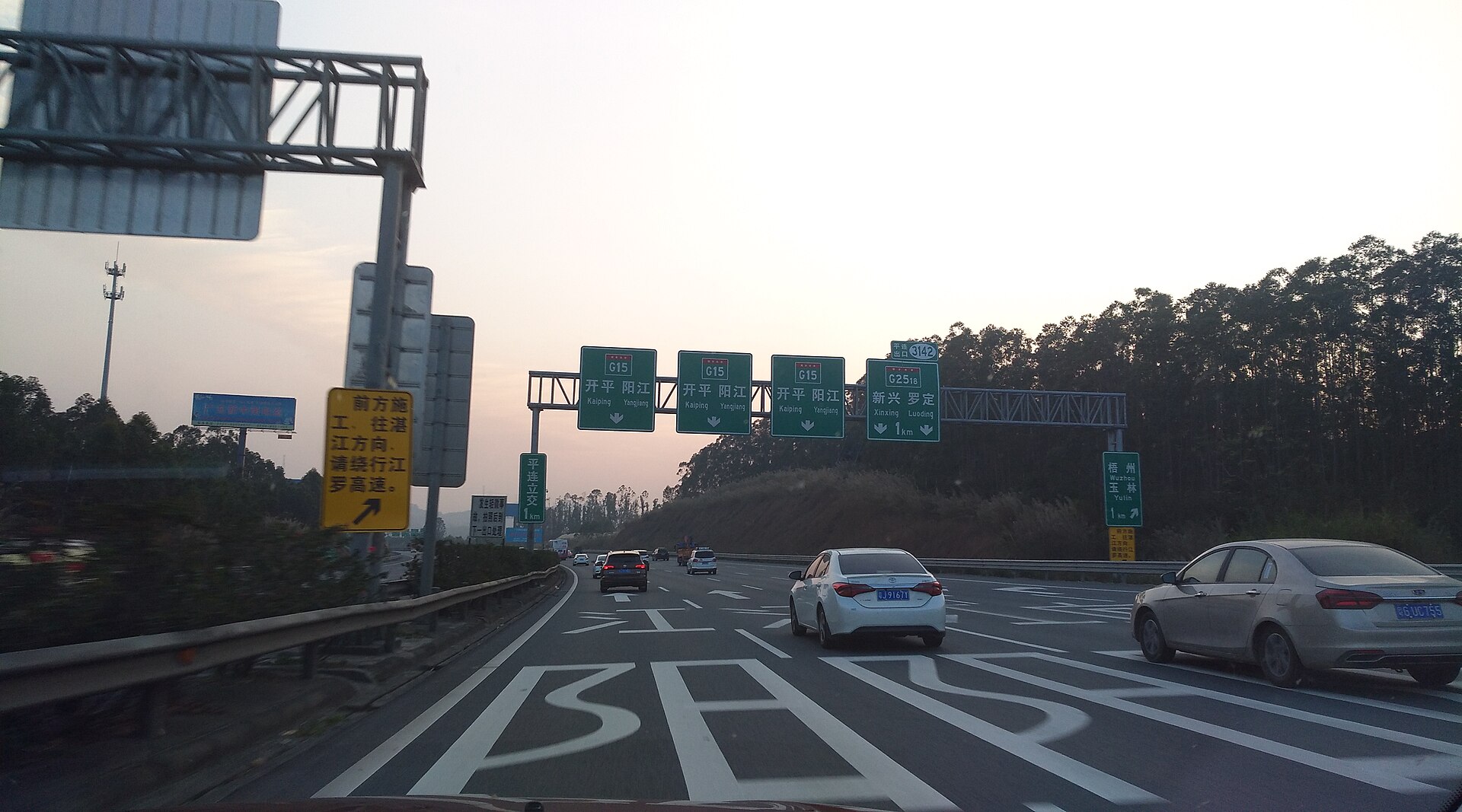
A foreign licence proves the applicant's existing entitlement; it does not by itself authorise driving on mainland roads. Beijing's official guidance also says an application based only on an International Driving Permit is not accepted. The visitor needs either a full mainland Chinese driving licence or the temporary permit designed for short stays. Hong Kong and Macao have separate systems, so a document valid there should not be assumed valid after crossing into the mainland.
For a rented Chinese vehicle, the temporary permit is limited to the corresponding small-car classes—C1 or C2 in the Beijing rules—and the foreign licence must cover the same type. A motorcycle entitlement, an automatic-only restriction or a minimum-age rule cannot be ignored just because the rental desk has a vehicle available. The permit also does not authorise driving a friend's private car: current official guidance distinguishes a temporarily imported vehicle owned by the visitor from a vehicle rented in China.
Keep the physical permit, passport, rental papers and vehicle documents together. A digital photograph is useful backup, but it is not a promise that a roadside officer or accident handler will accept it instead of the original. If the permit wording or vehicle class is unclear, resolve it with the issuing authority before taking the keys.
Procedure is local, so use the traffic authority for the rental city rather than a national blog checklist. Beijing's page updated on 4 January 2026 says a short-term holder of an overseas licence may apply for a permit valid for three months; where the authorised stay exceeds three months, validity can extend to one year. Its listed locations include the Capital and Daxing airport vehicle-management stations, vehicle-management offices and the Beijing Government Service Center.
For an ordinary small-car application, Beijing lists the entry document, the original overseas licence, a Chinese translation issued by a qualified translation agency or notarised by a notary office, and two one-inch white-background photographs. Small-car applicants who are temporarily in China are exempt there from submitting the medical certificate. The published service limit is up to three working days after acceptance, not a guaranteed same-hour airport handover. The current English FAQ likewise requires an in-person application.
Do not build a tight rental reservation around those Beijing details in another city. Confirm the issuing office, accepted translation, appointment method, opening day, processing time and exact validity before paying a non-refundable car charge. A full licence conversion is a different process, relevant mainly to longer-term residents; it should not be confused with the visitor permit.
Treat the vehicle as a second approval. Ask the rental company in writing whether it accepts the exact temporary permit, passport and payment method you will present—not merely “foreign customers.” Confirm the named driver's class, any additional-driver rule, deposit, one-way fee, mileage, geographic exclusion, roadside-assistance area and policy for ferries or unpaved roads. A booking platform's confirmation is not enough if the local counter applies different document checks.
Read the insurance summary and the exclusions before leaving. Establish the excess, damage inspection method, tyre and glass treatment, accident-reporting deadline and whether driving outside the agreed area voids cover. Photograph all sides, wheels, fuel or battery level and dashboard warnings at pickup and return; record existing damage on the signed form. “Fully insured” is too vague to plan around.
A Chinese driver is the better choice when the route, not driving, is the priority. It removes the visitor's licence task but not every risk: check the operator's business scope, vehicle papers, driver identity, working hours, accommodation and who pays after a route change. A driver is not automatically an English-speaking guide, and a guide is not automatically insured to drive.
A legal document does not create local road familiarity. For a first mainland drive, choose a short loop with reliable mobile coverage, frequent services and no border, plateau or winter-pass complication. Allow the first pickup day for paperwork, vehicle checks and a modest drive rather than a four-hundred-kilometre deadline. Avoid starting on the first day of a national holiday, when traffic and charging demand can change the whole calculation.
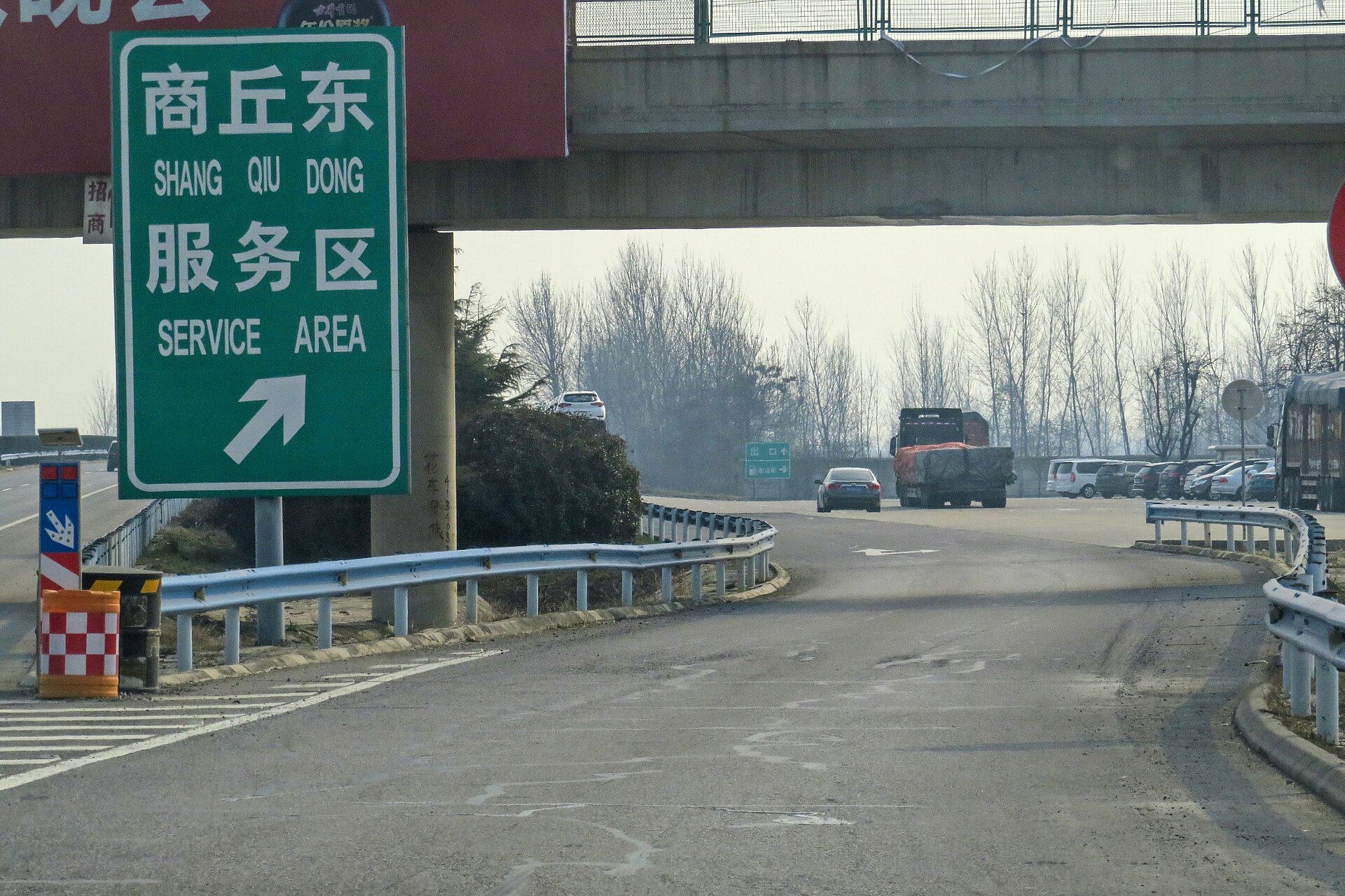
Navigation apps may show Chinese road names more accurately than an overseas map, but the passenger should handle rerouting and translation. Download the region offline, save accommodation names and phone numbers in Chinese, and learn how the car handles tolls, parking, fuel grade or charging. Do not assume a foreign mobile number, overseas bank card or rental-company tag works at every gate. Carry at least two payment methods and ask what to do if an automated lane does not recognise the vehicle.
Mountain routes need a separate go/no-go check for weather, temporary traffic control, daylight and recovery services. A lead vehicle or convoy can improve logistics, but it never turns an invalid licence into a valid one. Every person who actually drives still needs the correct Chinese document and must be named and covered under the vehicle contract.
A temporary driving permit solves only the mainland driving-document question. It does not override tourism, border, nature-reserve or temporary road controls. Foreign-passport tourism in the Tibet Autonomous Region still requires an organised arrangement and entry approval through an eligible travel agency; the exact itinerary determines whether further permissions are needed. Do not accept a claim that joining a convoy alone authorises independent entry or driving. Ask the agency to state who drives each vehicle and which licence, permit, vehicle and tourism approvals cover that person.
Xinjiang should not be reduced to a blanket “foreigners cannot self-drive” rule. The practical constraints vary by border county, passport, route and date. Baihaba, the Pamir Plateau and an ordinary intercity road are not the same case. Check the relevant scenic authority and public-security channel, carry original documents and retain an alternative if a border-management pass or temporary control does not fit the traveller.
For any remote western route, separate four questions in writing: may the person enter, may the vehicle enter, may that person drive it, and is the road currently open? If one answer is uncertain, hire an appropriately licensed driver or redesign the route. That is a planning decision, not a failure of adventure.
Book the West Sichuan Grand Loop Self-Drive with real-time availability.
See tour & book Plan with AIPrivate & flexible · English-speaking guide · real-time online booking.







Tell our local experts what you'd like to see and we'll design a private, tailor-made itinerary with English-speaking guides — free plan & quote, no obligation.