Updated 2026 · 9 min · by NebulaTrip local experts
Jiuzhaigou cannot be planned from a static Y-shaped map in late July 2026. After a local mudslide on 26 July, the official park notice for 28 July reopened all of Shuzheng Valley and the part of Rize Valley below Arrow Bamboo Lake Waterfall, while keeping the upper Rize section and all of Zechawa Valley temporarily closed. The temporary daily limit was reduced to 20,000, and 29 July sold out. That status may change again after this guide's 29 July check. Reserve first, read the newest open-area notice, then choose sights inside the route actually operating.
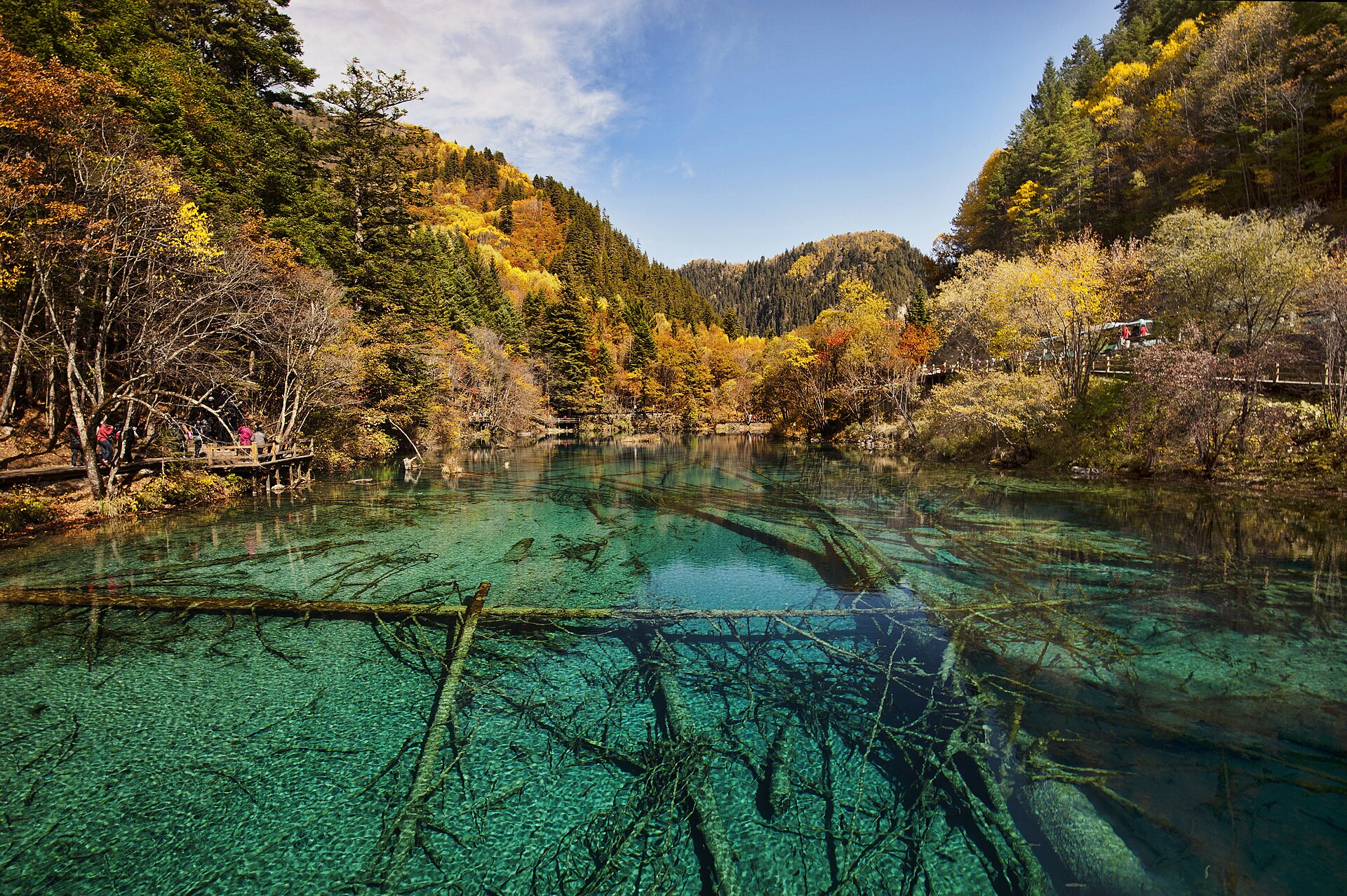
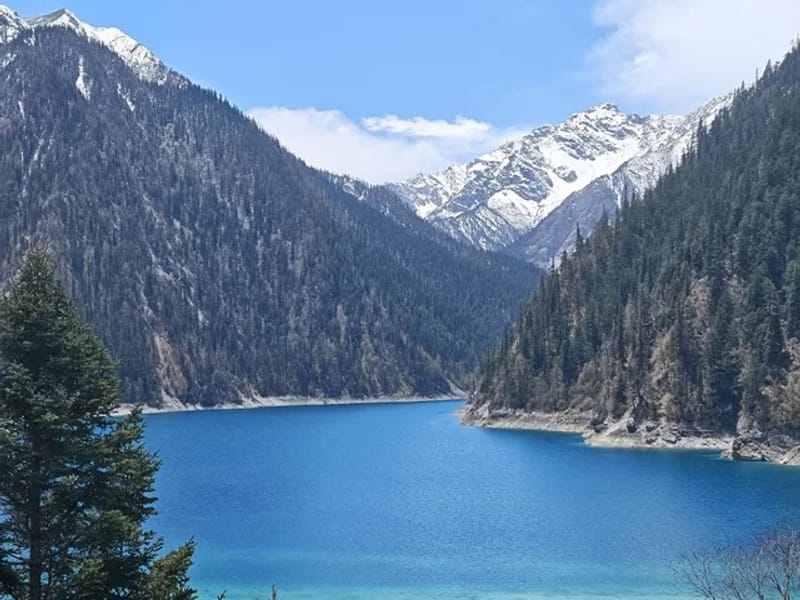
Earlier in 2026 the park announced full-route peak-season operation from 1 April. The July mudslide changed that. This is why an annual ticket page and a same-week safety notice can both be genuine while describing different operating states. Use the newest Jiuzhaigou Administration notice for the visit date, not a screenshot showing Long Lake, Five-Color Lake or the upper Rize lakes on a standard map.
The current system uses real-name, online reservation and does not promise walk-up handling. The 29 July allocation reached the temporary 20,000 limit by the previous morning. Capacity is a safety and management boundary, not a claim that 20,000 feels comfortable. Book through the official Jiuzhaigou platform with the correct document and bring the original passport.
If a named lake is closed, do not seek a road, village path or unofficial vehicle around the control. Rebuild the day from the open stops or change dates. A guide cannot legalise a closed boardwalk, and a ticket refund concern does not outrank a geological hazard.
The current rail option reaches Huanglongjiuzhai or Songpan station, followed by a substantial road transfer to Jiuzhaigou. Confirm the exact station, through coach, pickup point and arrival time; the station has also been undergoing 2026 capacity improvements, so old meeting photos can be stale. A fast train does not place the traveller at the park gate.
Jiuzhai Huanglong Airport is another high-altitude gateway with seasonal routes. Check the actual flight and road connection, and do not turn one night's arrival into proof of acclimatisation. Weather can disrupt aviation and road travel, so keep a buffer before the international departure.
Long road travel from Chengdu remains possible but should use a rested, legal driver and current road notice. A private vehicle solves luggage and departure timing, not landslides. Whichever mode you choose, stay near the confirmed entrance or transport point and ask the hotel how early breakfast and the transfer really operate.
Jiuzhaigou uses park buses and boardwalks, but the exact dispatch order changes with open areas, traffic and crowd management. Follow the operating map issued that morning. The old rule to ride automatically to the far end of one Y branch is useless when that branch is closed. Ask where the bus is going before boarding and note the last return from a long walk.
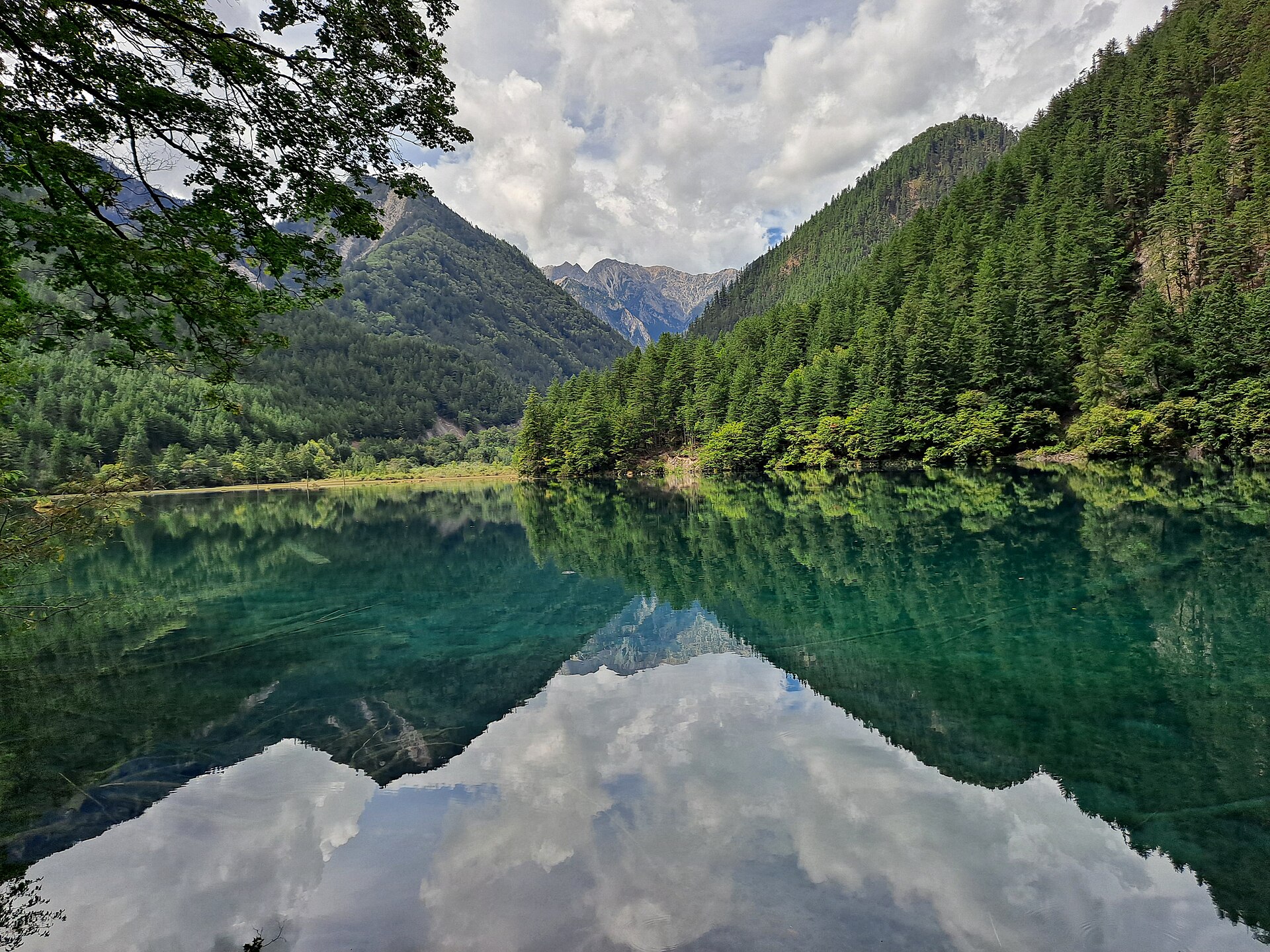
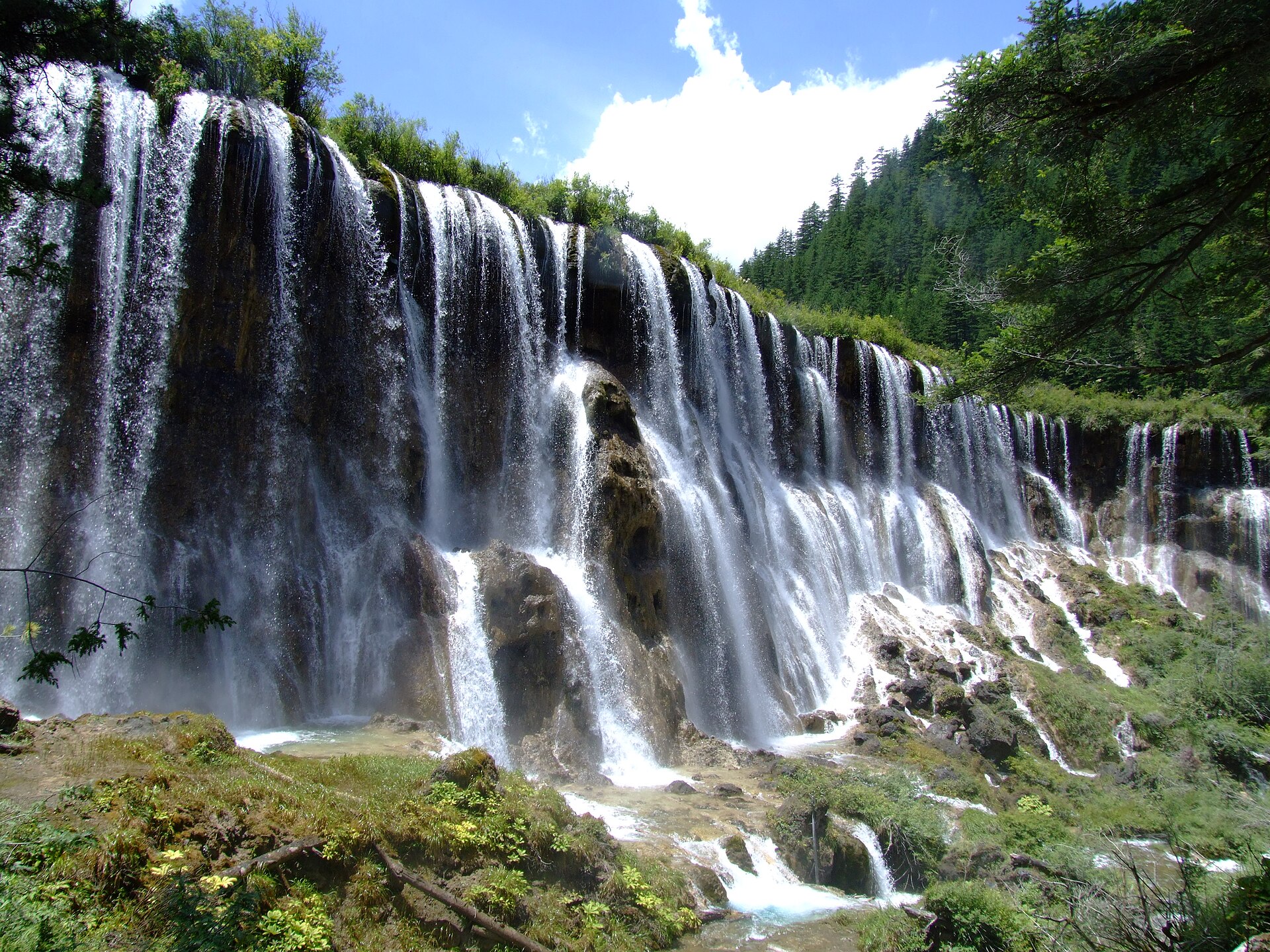
Under the 28 July partial opening, Shuzheng Valley and lower Rize offered a legitimate full day. Depending on the exact stops released, the plan could focus on Shuzheng Lakes and waterfalls, Nuorilang and open lower-Rize scenery. Do not list Five Flower, Mirror, Panda or Arrow Bamboo as guaranteed solely because they belong to the wider valley; staff signage decides the accessible endpoint.
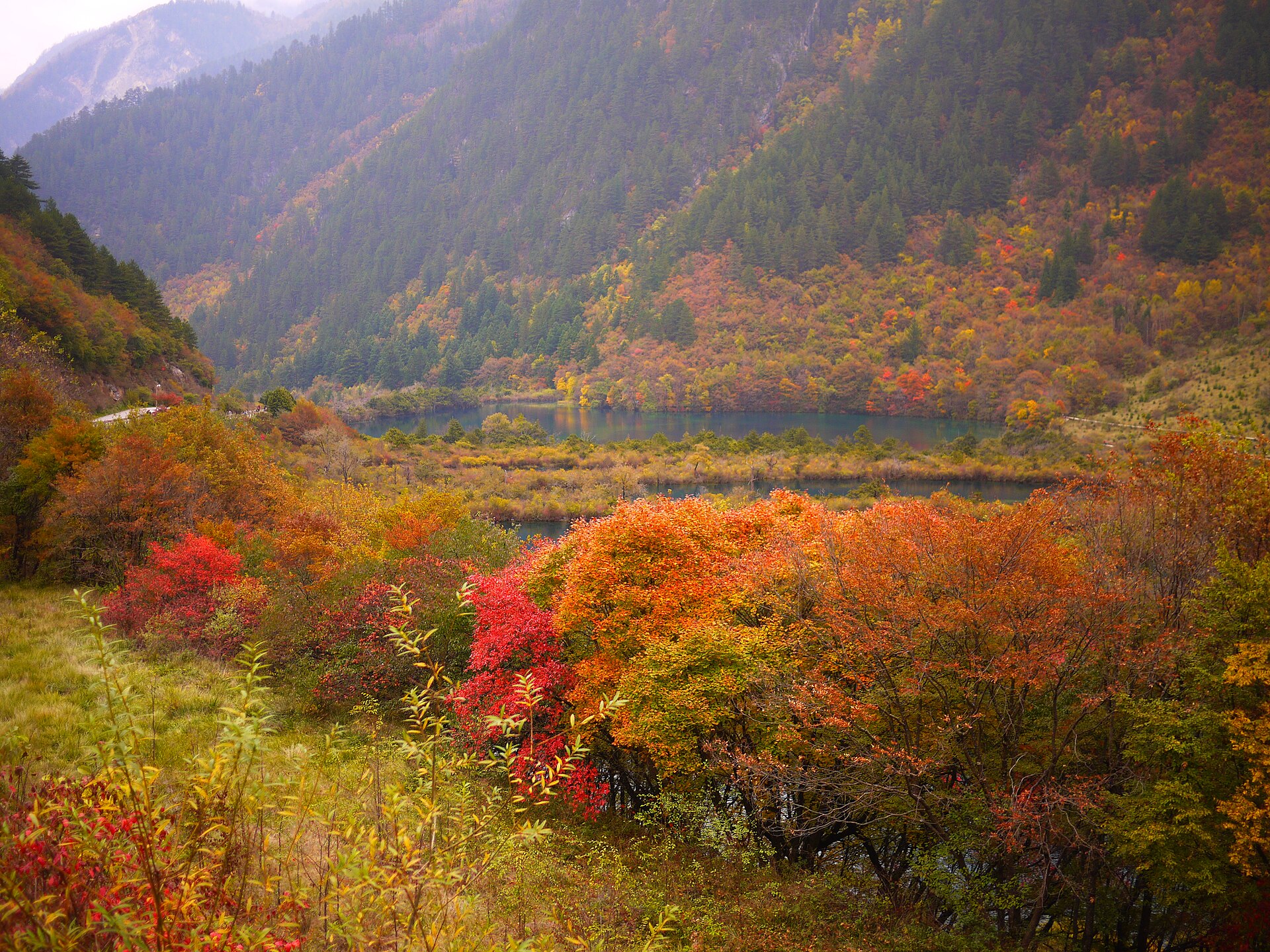
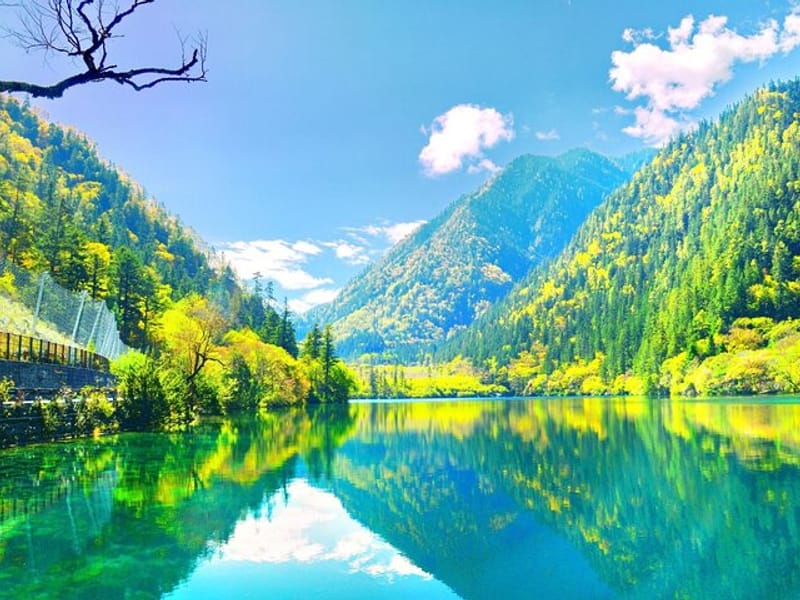
Lake colour, reflections and waterfall volume change with light, rain, season and water conditions. No hour guarantees a mirror surface or saturated turquoise. Stay on boardwalks, never touch or enter the water, and do not cross a barrier for an angle. Wear shoes for wet boards and carry food, water, rain protection and warm layers without assuming every facility is open.
Huanglong is not an extra Jiuzhaigou branch. It has its own ticket, transport, operating notice and higher walking profile. The rail station and airport can make a transfer look convenient, but luggage, road time, admission and the body's response still determine whether the combination works.
Add Huanglong on a separate day only if it is open and the traveller is well. Cableway or other transport can reduce part of the ascent but does not remove high altitude or the walk between facilities and pools. Check the current upper-route condition, fire controls and last descent. If anyone develops headache with nausea, dizziness or unusual fatigue, do not ascend further; worsening symptoms require descent and help.
Do not use a Huanglong pool photograph for Jiuzhaigou or vice versa. Both can show blue-green water, but the landforms and management are different. When Jiuzhaigou is partly closed, Huanglong is an alternative only if its own route is safe—not an entitlement included in the original ticket.
Autumn can bring coloured forest, winter can bring ice and snow, and summer can increase water movement and rain risk. None has a fixed annual peak or guaranteed view. Late July 2026 demonstrates the real planning variable: heavy rain can change open valleys and daily capacity within days. Use current park images for expectations, not a promise.
Set one full park day, a local buffer and a flexible exit. Two park days may be worthwhile only when the ticket rules and available zones justify re-entry; do not assume one admission covers a second day. Keep refundable accommodation when a specific upper branch is essential.
A useful guide monitors official notices, explains ecology without inventing a single mineral cause for every colour, manages bus choices and turns back at controls. Independent visitors can do the same with the official platform and conservative timing. Carry the passport, offline reservations, emergency contacts, medication and payment redundancy. In 2026, success means seeing the open valley safely—not proving that a pre-earthquake or pre-mudslide checklist can still be completed.
Private & flexible · English-speaking guide · real-time online booking.

Tell our local experts what you'd like to see and we'll design a private, tailor-made itinerary with English-speaking guides — free plan & quote, no obligation.