Updated 2026 · 10 min · by NebulaTrip local experts
Yading is best planned as two separate decisions: do the lower, shorter circuit first, then decide whether the body and the official status justify the high-lake challenge. Milk Lake and Five-Color Lake sit above 4,500 metres; reaching them is not the price every visitor must pay to have “done” Yading. In 2026 the official ticket page says the challenge line reopened on 1 May while hazard-remediation work continued. That combination—open, high and still actively managed—demands a fallback, not a promise.
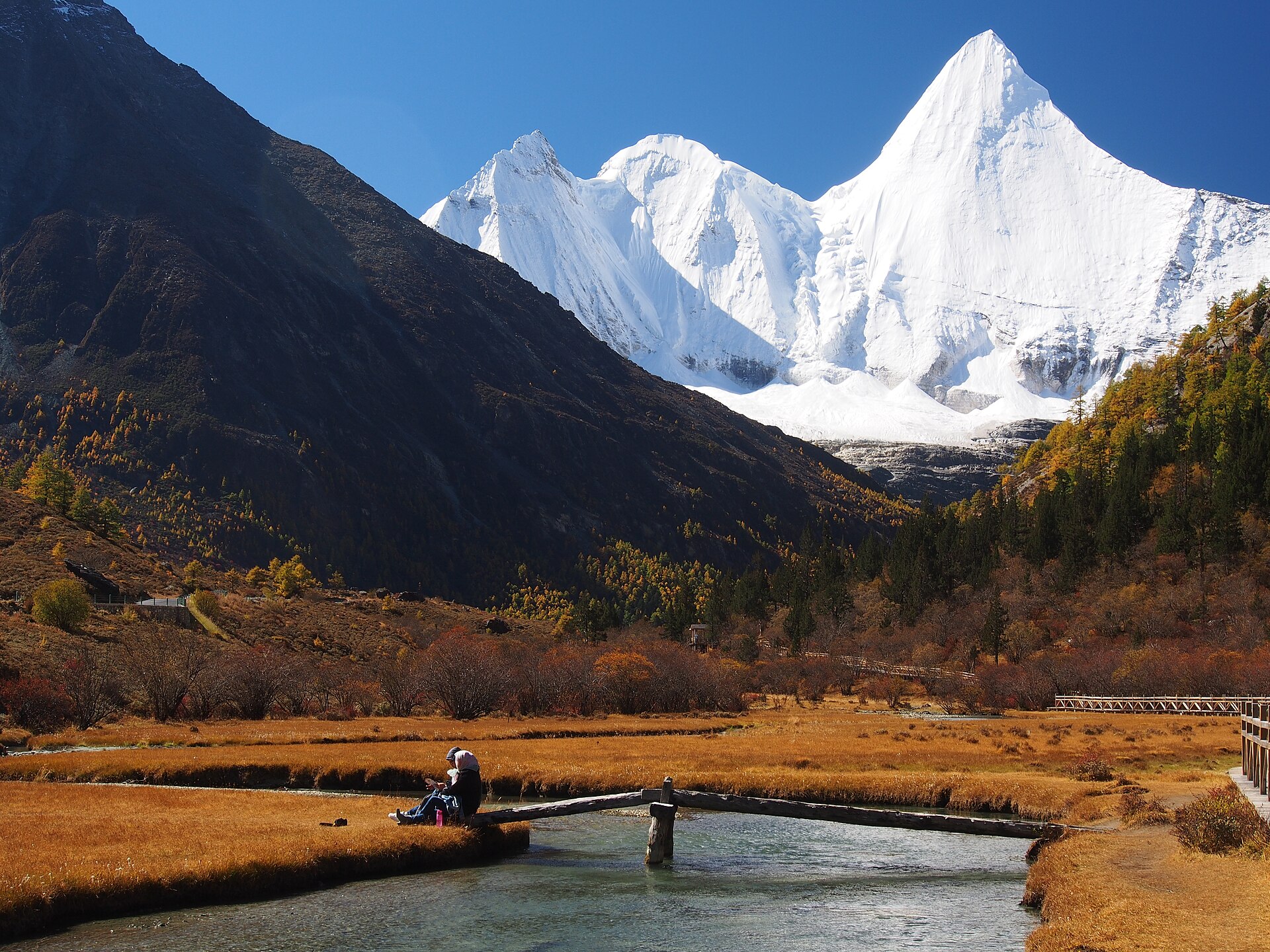
Flying to Daocheng Yading Airport saves road time but places a newly arrived passenger at very high elevation immediately. It does not create an extra sightseeing day if the body needs rest. Overland travel spreads the journey across more road hours, but sleeping one night at altitude is not a guarantee of acclimatisation either. Choose by available time, motion tolerance and health rather than repeating that one mode is universally safer.
Daocheng County town, Shangri-La Town near the visitor entrance, and Yading Village are different bases. Daocheng has more urban services but creates a long approach to the reserve. Shangri-La Town is operationally convenient. Sleeping inside the higher scenic area can reduce a morning transfer but may worsen sleep for someone not acclimatised. For most first visits, stage near the entrance and keep the arrival day light.
Confirm the exact airport or road transfer, hotel altitude, luggage plan and last check-in. Mountain roads and weather make tight onward connections fragile. Do not schedule the high lakes on the day of a flight arrival, and do not drive yourself onward if headache, dizziness or poor concentration makes that unsafe.
Use the official bus to the designated transfer area, then walk the Guanyin Compassion route around Chonggu and Pearl Lake/Zhuoma La. Official route material describes this as roughly 4.5 kilometres with climbing sections and a broad three-to-five-hour range. Treat those numbers as a route reference, not a personal completion time. Photography, wet boards and altitude can slow the day.
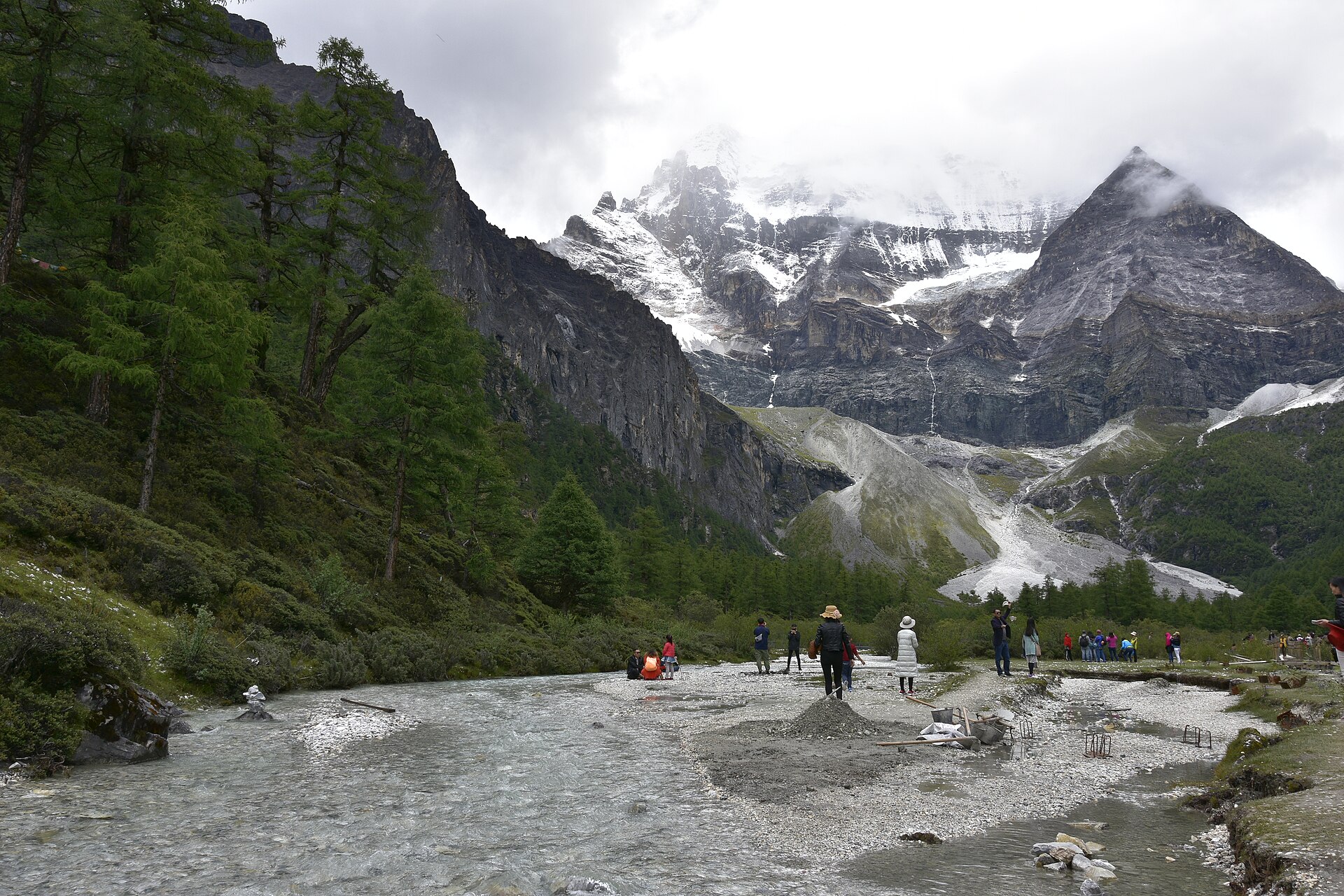
The purpose is more than acclimatisation theatre. Notice whether anyone develops headache, nausea, dizziness, unusual fatigue or poor coordination; learn the transfer layout and test clothing in real mountain weather. See Chonggu Temple as a religious site, not a prop. Follow local walking directions, keep voices low, and ask before photographing worship or residents.
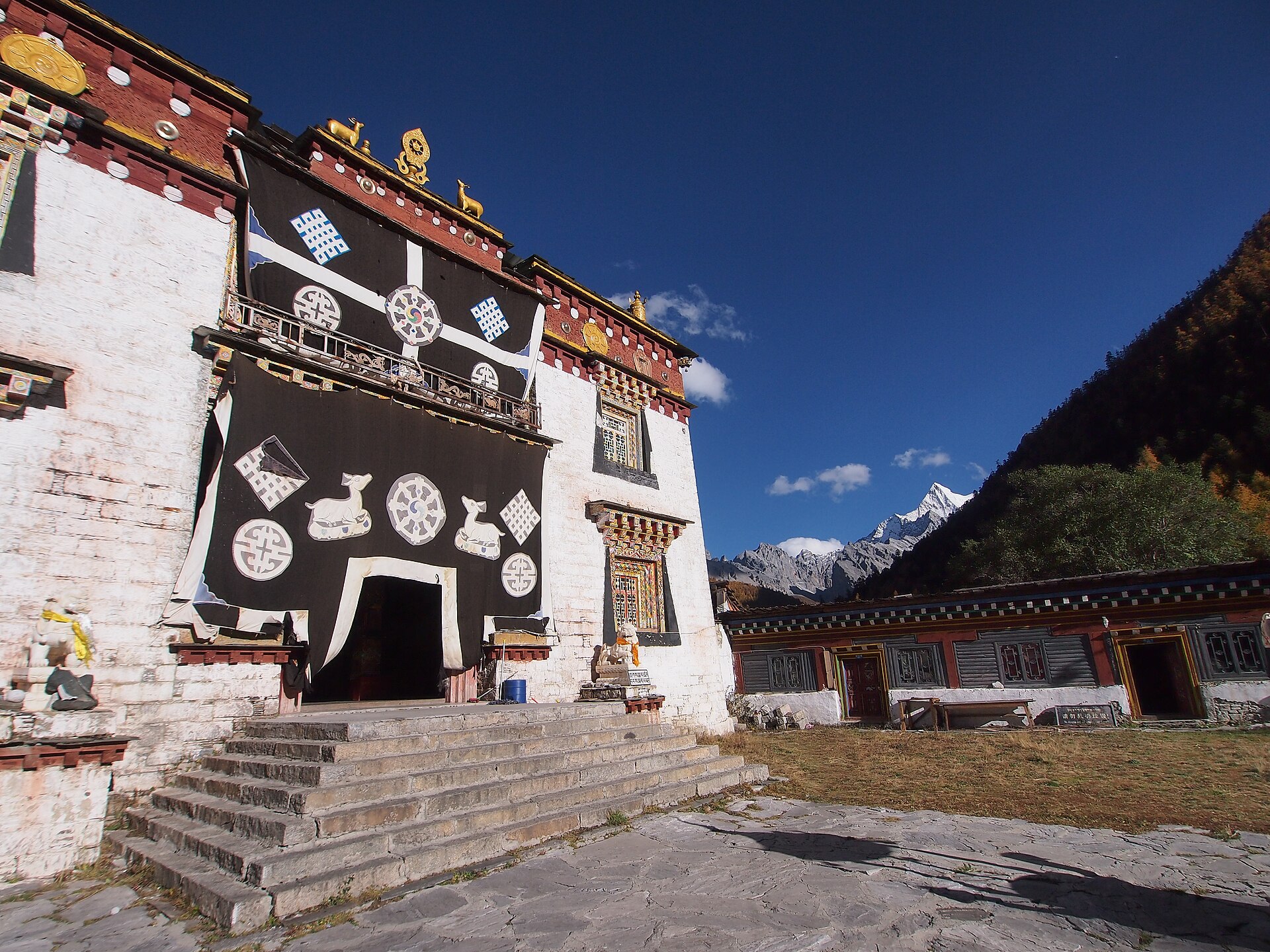
If the short route already consumes the group, that is useful information. Day 2 can focus on Chonggu meadow and the Luorong transport corridor without climbing to the high lakes. Snow peaks may remain in cloud and Pearl Lake may not produce a reflection. The itinerary still works when the landscape refuses the photograph.
The official challenge route starts around Gongga Lake country and reaches Milk Lake and Five-Color Lake through a steep high section. Current official material places the route from roughly 4,300 to 4,700 metres and describes several hours of walking. The scenic transport to Luorong pasture shortens the approach; a horse service, when operating, covers only its authorised segment. Neither removes the final high-altitude effort.
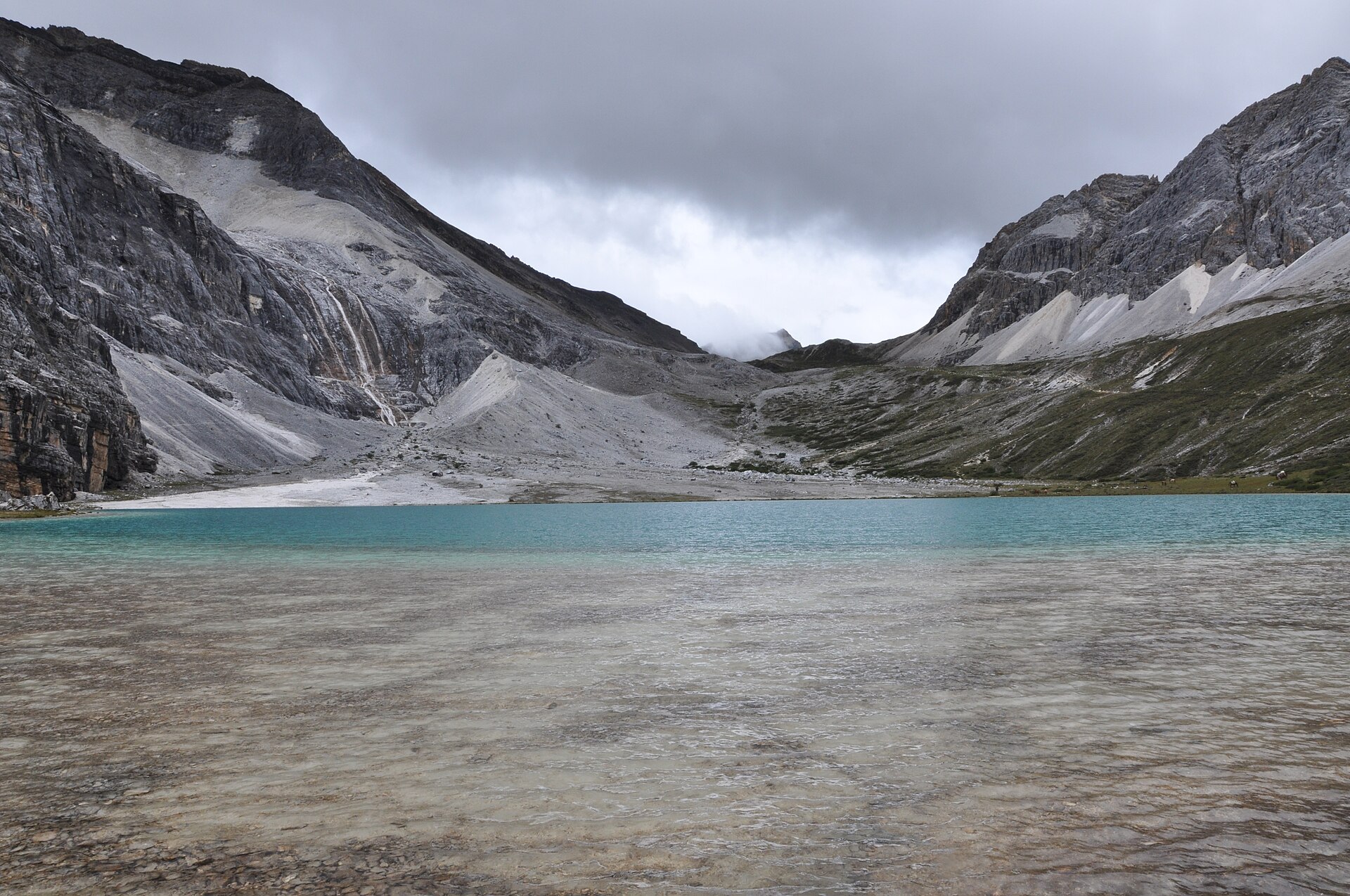
Check the official ticket page and on-site board on the morning itself. The 2026 reopening notice coexists with continuing geological-hazard remediation, so staff may control direction, cutoff time or access. Stay on boardwalks and approved paths, and do not enter the closed Qugongzhaga-to-lakes or Kasi areas shown in current warnings. A social-media shortcut is not an alternative route.
Start only if everyone is symptom-free, weather is stable enough and there is ample turnaround time. Choose one objective rather than chasing both lakes after a slow ascent. If the line is closed or the group turns around, spend the day around Luorong and lower viewpoints. That is a sound mountain decision, not a failed visit.
Fitness does not prevent altitude illness. A headache after ascent together with nausea, dizziness or unusual tiredness can indicate acute mountain sickness. Do not ascend while symptoms persist. Worsening at the same elevation calls for descent and help; confusion, inability to walk straight, breathlessness at rest or a persistent cough are emergencies. Follow trained medical direction, oxygen and descent as required.
Hydration corrects dehydration but does not prevent altitude sickness by itself. A consumer oxygen can may provide temporary relief yet cannot make a deteriorating person safe to continue higher. Anyone with relevant heart or lung disease, a previous severe altitude reaction or another medical concern should discuss the actual sleeping and walking profile with a clinician before travel. Medication decisions belong there, not in a guesthouse sales pitch.
Keep the group together, carry the official rescue number, warm and waterproof layers, high-SPF sun protection, food, water, headlamp, power bank and offline booking details. A guide should recognise deterioration and turn back; they should not diagnose, promise that bottled oxygen solves it, or pressure a client onward because the high-lake ticket is non-refundable.
A practical minimum is four nights around the wider journey: arrival/staging, two scenic-area days, and a buffer or departure night. More time is appropriate after a rapid flight ascent or before another high route. Buy the exact scenic-area ticket and transport products through the official channel, using the required identity document, and recheck whether a second entry needs registration or a new bus ticket. Do not publish an old price or horse quota as current.
Summer rain can obscure peaks and affect paths; winter ice can close the challenge line; autumn colour and a clear sunrise are never guaranteed. The right season is the one that matches the desired lower-valley or high-route experience while leaving a weather alternative. Carry cold, rain and sun protection in every season and obey forest-fire restrictions, including bans on flames and unauthorised drones.
A capable guide clarifies the two route systems, handles transport and timed cutoffs, explains the pilgrimage setting and makes conservative altitude calls. Independent travellers can follow official buses and developed paths with preparation. In either case, the high lakes remain optional. Yading is not improved by turning a sacred, fragile, high-altitude landscape into a test that every visitor is expected to pass.
Book the 4-Day Yading Daocheng Holy Mountains Trek from Chengdu with real-time availability.
See tour & book Plan with AIPrivate & flexible · English-speaking guide · real-time online booking.
Tell our local experts what you'd like to see and we'll design a private, tailor-made itinerary with English-speaking guides — free plan & quote, no obligation.