Updated 2026 · 10 min · by NebulaTrip local experts
Kanas, Hemu and Baihaba are not three quick stops around one lake. They are separate visitor zones in a large border-region landscape, connected by long roads and managed transport. Give the area at least three full ground days after arrival; four or five is better if Hemu matters. Autumn colour, Hemu mist and a blue-green lake are possible conditions, not products a guide can guarantee. The plan should work when foliage is early, clouds hide the ridge or a shuttle schedule changes.
Urumqi is the main national gateway, but it is not next door. From there, travellers combine a current seasonal flight, rail to northern Xinjiang and a road transfer, or a multi-day drive. Flight routes and ground links change, so compare the actual 2026 timetable on your dates rather than building around a remembered “Kanas airport” schedule. Burqin can be a useful road base; Altay City and Beitun may fit other rail or air combinations.
Write every leg door to door: arrival terminal, driver or bus pickup, visitor entrance, managed shuttle and hotel. A midnight arrival followed by a dawn park entry is not a saved day. Long-distance drivers need rest, fuel and weather margin, and one person should not shoulder an overnight road push after a flight.
Private vehicles generally stop before the core managed visitor routes, but precise traffic controls, gates and special seasonal arrangements can change. Confirm the official Kanas notice and the accommodation's access instructions immediately before travel. A hotel saying “inside Kanas” does not reveal which checkpoint, transfer or luggage handling is required.
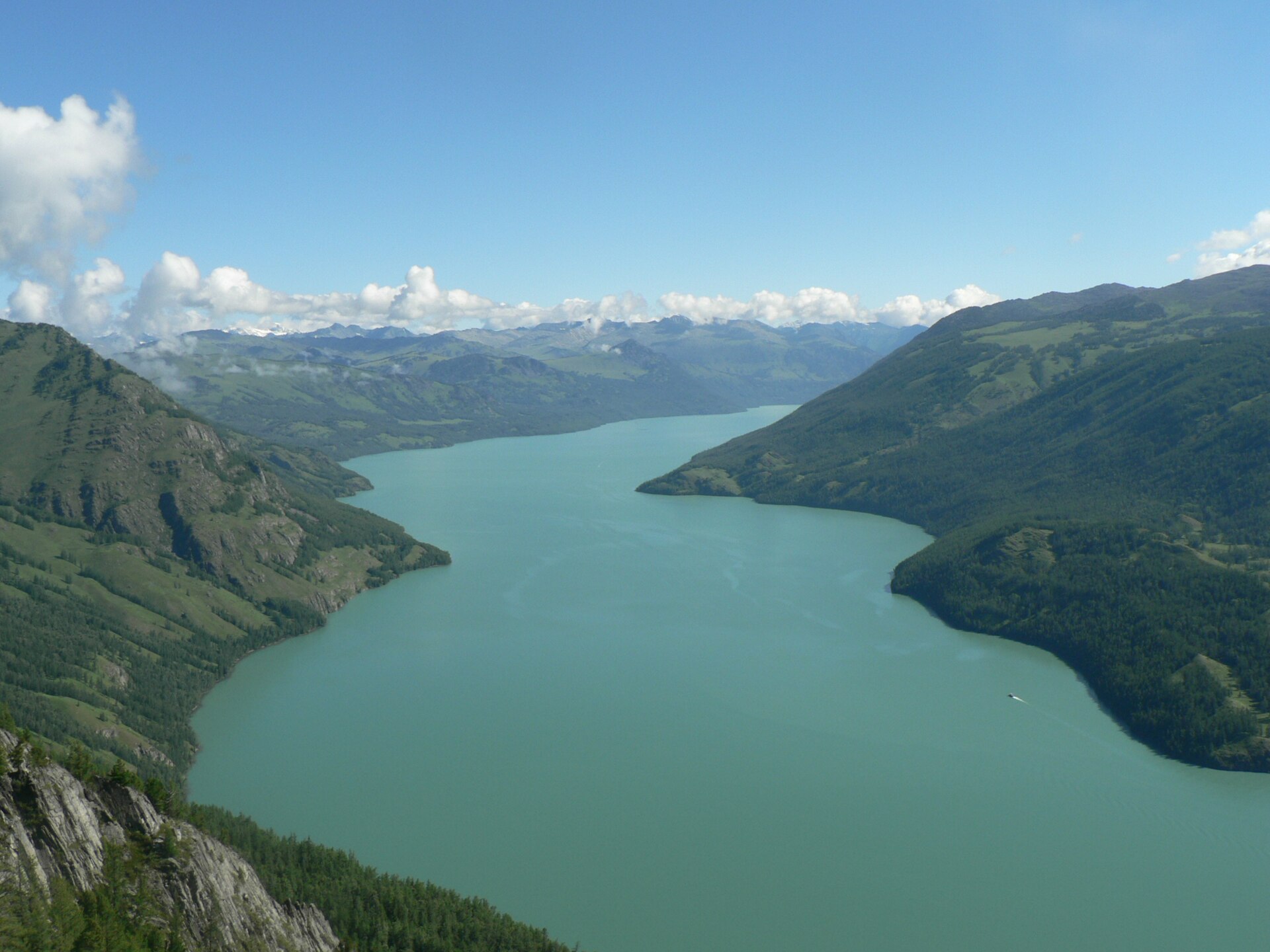
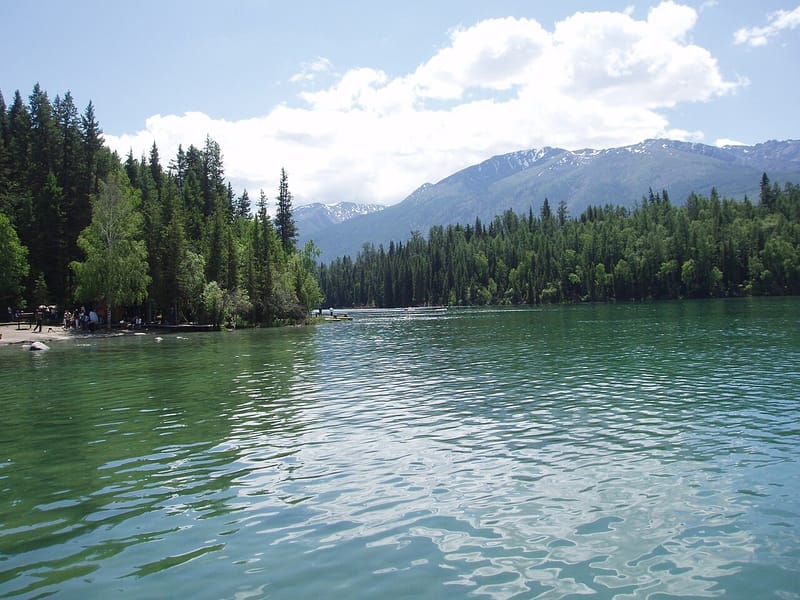
Use the managed bus network to reach the lake zone, then choose either the higher panorama or a lower river walk as the day's main effort. The Fish-Viewing Pavilion route involves a climb and may use a separate transfer or access arrangement. The Three Bays—often translated as Fairy, Moon and Wolong/Crouching Dragon—are individual stops along the Kanas River, not interchangeable labels for any curved water photograph.
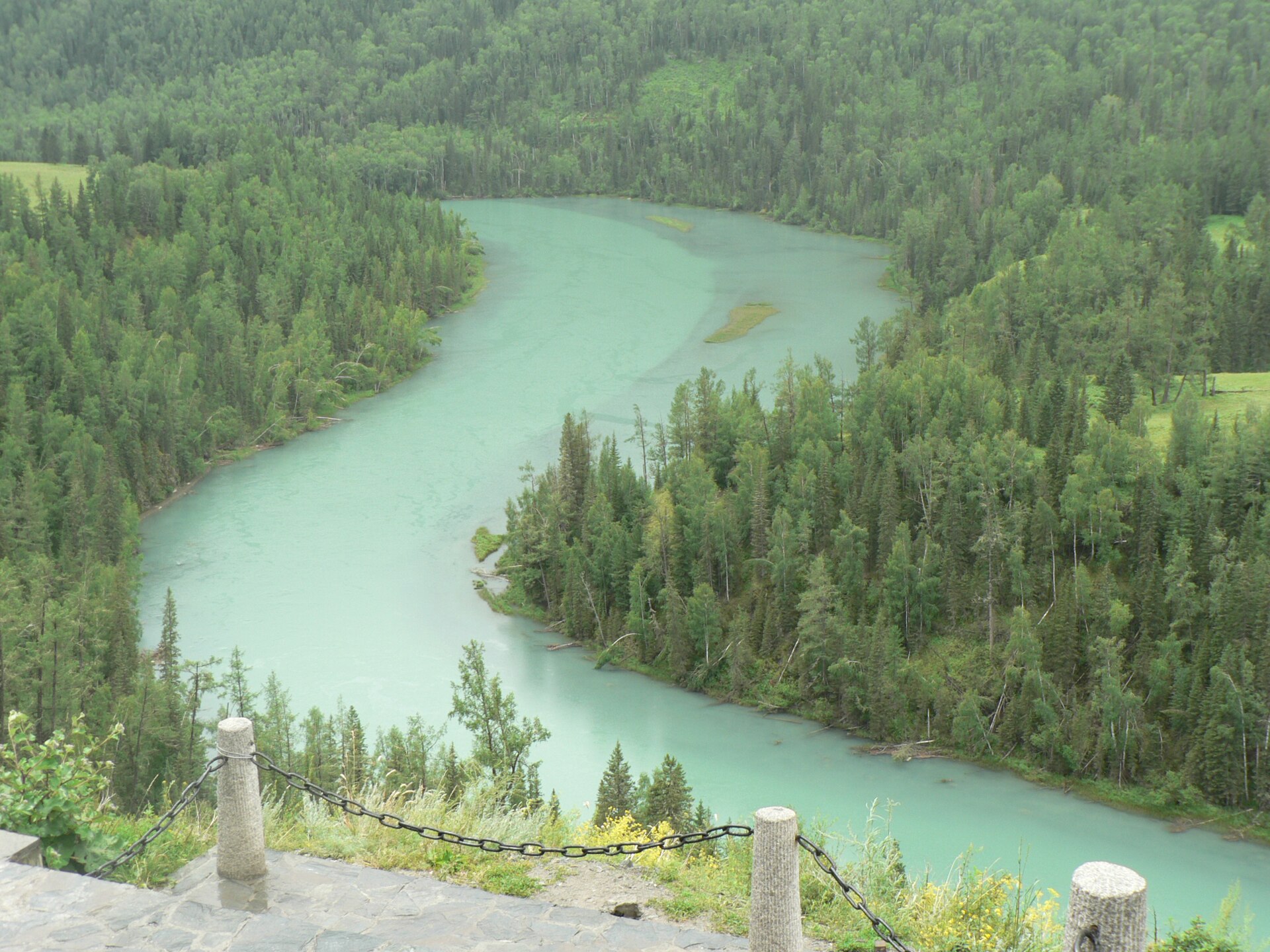
Visibility determines the choice. Low cloud may make the ridge poor value while giving the river forest atmosphere; strong wind or rain may shorten both. Do not promise a lake colour. Water, sky, sediment, angle and light change what a camera records. Boat operations also require a same-day check and should never replace a closed land route without official approval.
Carry water, food suitable for the day, rain and warm layers, and offline transport information. Park buses reduce private traffic but can add waiting and backtracking. Know the last return from the chosen branch before starting a long walk, and leave enough margin for the transfer back to the booked accommodation.
Hemu is a separate valley destination, not an early-morning detour before a full Kanas day. Stay overnight if walking the village and a dawn viewpoint matter. The reward is time rather than a guaranteed mist photograph: weather may produce clear air, cloud, rain or snow, and smoke rising from a roof does not prove a staged timeless lifestyle.
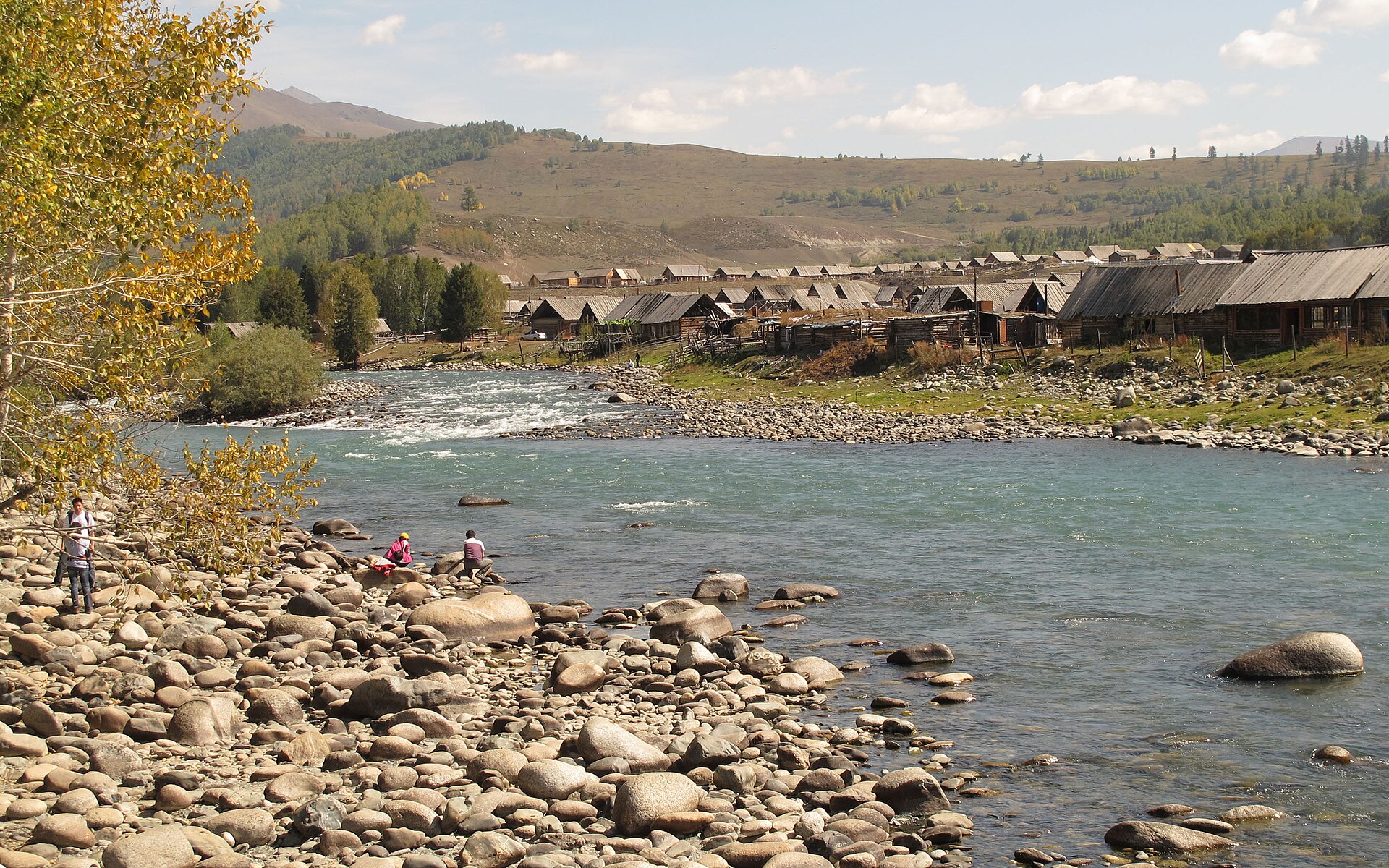
Hemu is a lived community as well as a tourism destination. Remain on public paths, do not enter yards or point cameras through windows, and ask before close portraits. Avoid captions that reduce residents to a romantic ethnic backdrop. Timber buildings include homes, lodging and newer tourism facilities; a photograph should not be labelled as an old family house without source evidence.
Baihaba requires another transport and access decision in a sensitive border area. Do not repeat a permanent “permit required” or “foreigners allowed” rule from an old article. Ask the official scenic-area or public-security channel and a licensed operator for the rule that applies to the traveller's nationality, document and date. If access is unavailable, add time in Kanas or Hemu rather than seeking an informal route.
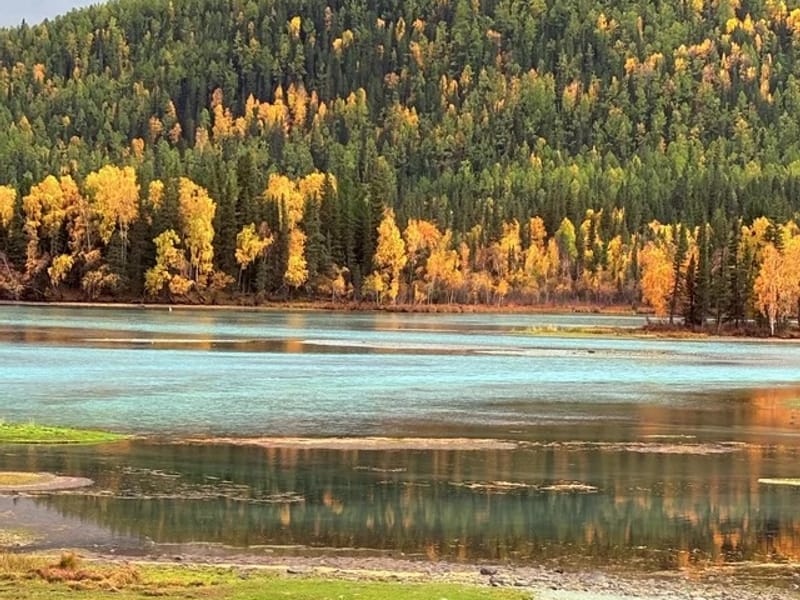
Summer offers long days and green forest; autumn can bring yellow larch and birch; winter can transform access, vehicles and accommodation. None of those descriptions establishes a fixed annual start date. Temperature, rain, wind and elevation move autumn colour quickly, and the first snow can arrive before or after a traveller's booking. Use current park images and weather as a last-week check, not a guarantee.
Autumn demand raises the cost of poor planning because rooms and transfers have fewer substitutes. Reserve flexible accommodation and define which location is essential. Winter is a specialist trip: verify that the road, park transport, heating, food and emergency support are operating for ordinary visitors. A summer service map may be useless in deep snow.
Pack for a temperature range wider than the city forecast: waterproof outer layer, warm insulation, hat and gloves, sun protection and footwear for wet or icy boards as applicable. Do not schedule a non-refundable long flight immediately after a mountain-road exit. Weather delay is normal planning risk, not evidence that a driver should go faster.
Match each night to the next morning. Burqin or another town base offers broader services but can add road hours. A Kanas-area night helps with the lake day; Hemu requires its own stay if dawn matters. Confirm the property's precise map point, vehicle access, heating, bathroom, meals, luggage transfer and cancellation terms. “Wood cabin” describes architecture, not comfort or age.
Carry the original passport, offline bookings, emergency contacts, payment redundancy, medication and enough essentials for a delayed road. Hotels must register foreign guests; confirm acceptance before paying, but do not assume every border-area access question is solved by a hotel booking. Current official rules and on-site authorities decide.
A good local operator creates realistic driver shifts, names every gate and shuttle, verifies Baihaba access for the actual passport, and says when weather makes a plan unwise. They cannot know the exact autumn peak months ahead or guarantee Hemu mist. Independent travel is possible when current transport is researched carefully; a guide is valuable for coordination and interpretation, not as a way around restrictions. The best North Xinjiang route contains fewer rushed pins and more time in each large landscape.
Book the 4-Day Kanas Lake Autumn Photography Tour from Urumqi with real-time availability.
See tour & book Plan with AIPrivate & flexible · English-speaking guide · real-time online booking.

Tell our local experts what you'd like to see and we'll design a private, tailor-made itinerary with English-speaking guides — free plan & quote, no obligation.