Updated 2026 · 9 min · by NebulaTrip local experts
Pingyao is best as one afternoon, one night and the following morning—not as a race through every courtyard on the combined ticket. The historic street grid is a living part of the UNESCO property and can be walked without treating the whole city as one paid museum. The wall, Rishengchang, the county government complex and other compounds have their own current admission and opening conditions. Pick three or four interiors, stay inside or beside the walls, and leave room to notice how the city works beyond South Street's busiest shops.
Pingyao Ancient City railway station and the conventional Pingyao station are different terminals. Read the full Chinese station name on the ticket and give that exact text to the pickup driver. The high-speed station is outside the walls; the older station is closer but serves different trains. Do not reuse a journey-time estimate without checking the 2026 service.
Ask the accommodation which gate or meeting point works for luggage. Vehicle controls protect narrow historic streets and can change during events or busy periods, so “hotel pickup” may mean meeting outside a gate and transferring to a local vehicle or walking. Wheeled luggage is less romantic on uneven paving than booking photographs suggest.
Arrive by early afternoon if possible. Check in, walk the main axis and one or two interiors, then use the quieter evening for lanes and dinner. The next morning can hold the wall and the remaining priority compound before departure. A same-day return is possible, but it loses the very period when the city stops feeling like a sequence of ticket scans.
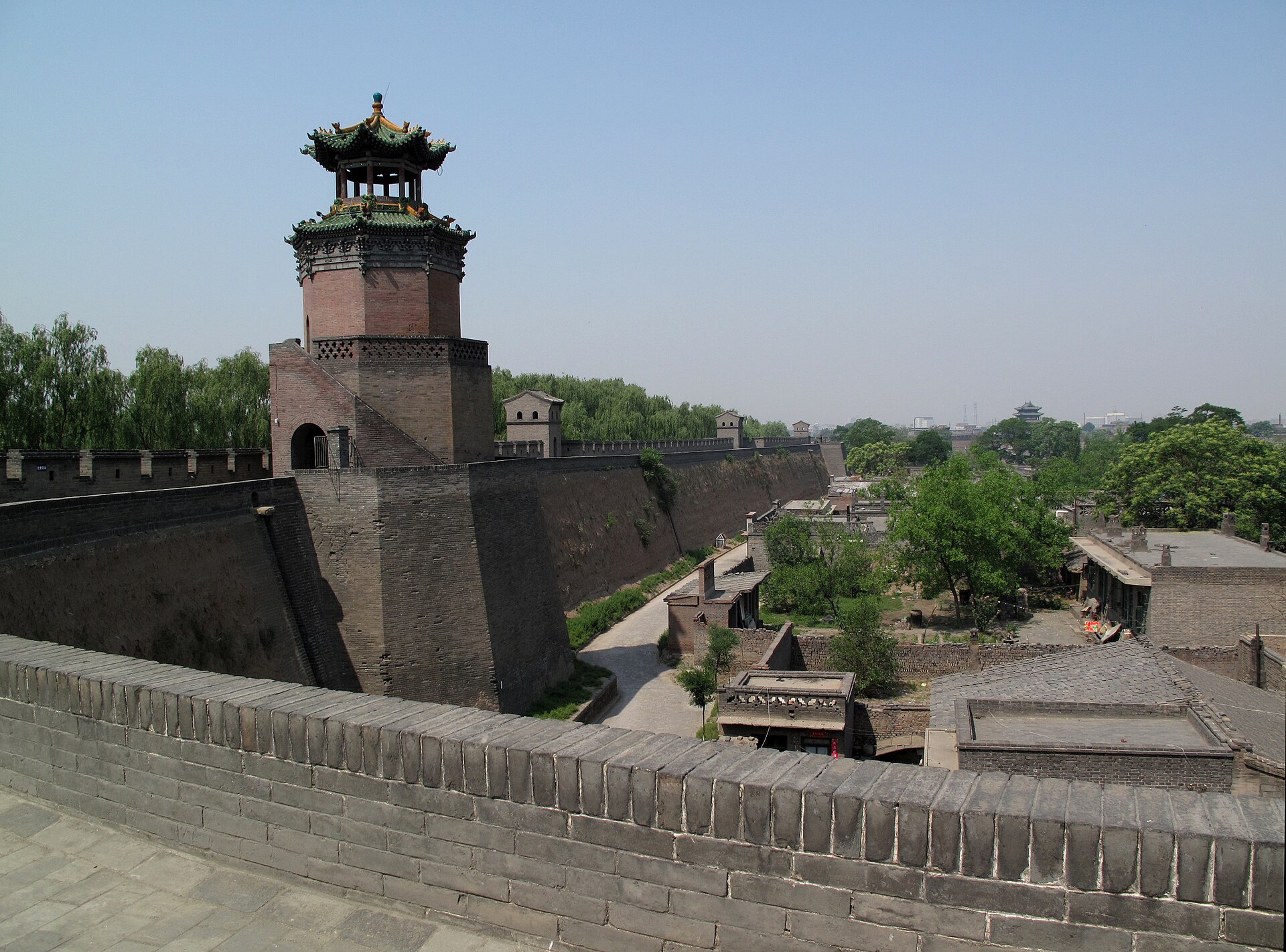
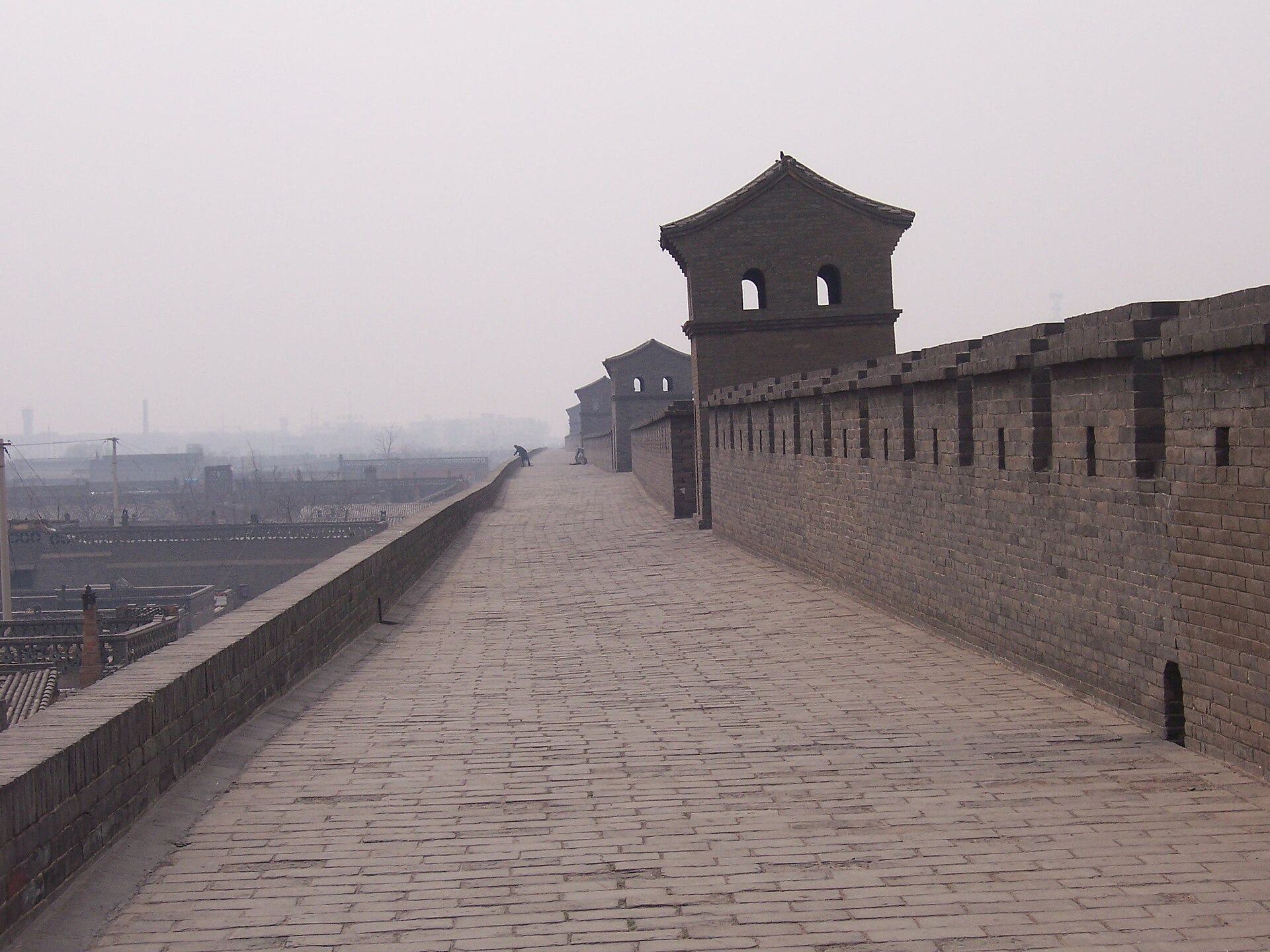
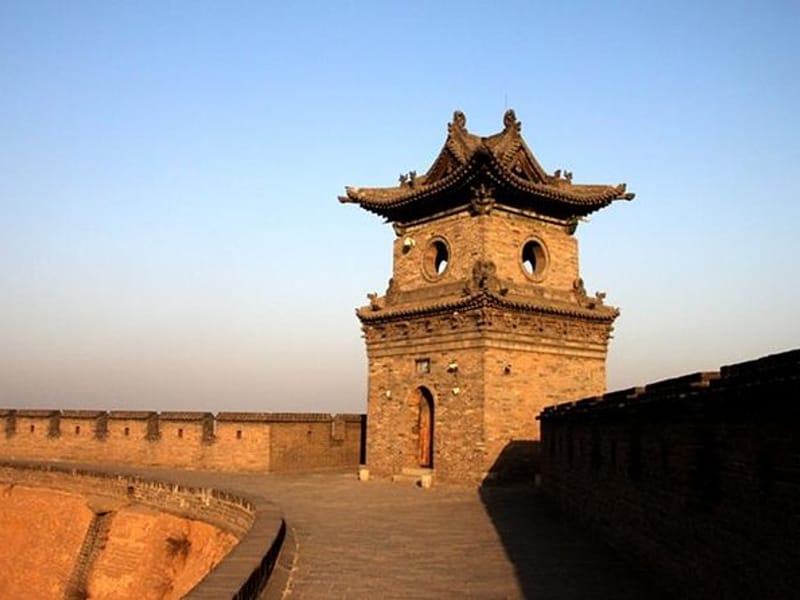
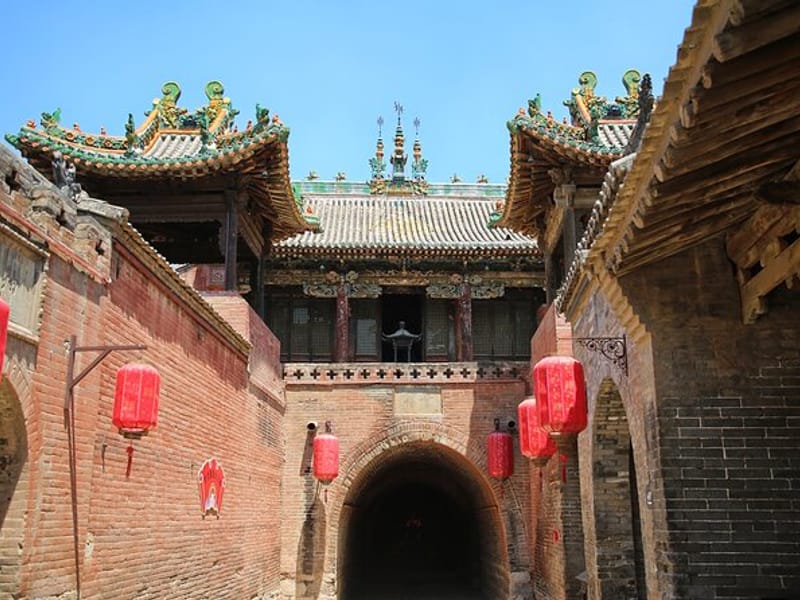
The wall: use an officially open gate and section to understand the walled plan and the relationship between roofs, streets and surrounding modern town. Do not assume the full circuit is continuously walkable; repairs, ice, wind or crowd control can close a segment.
Rishengchang: this former draft-bank site is the strongest starting point for Pingyao's financial history. Focus on how a nationwide remittance business used branches, written instruments and internal controls rather than repeating that one courtyard single-handedly invented modern banking. Displays and reconstructed rooms need interpretation, and a historic object should not be described as original without the museum label.
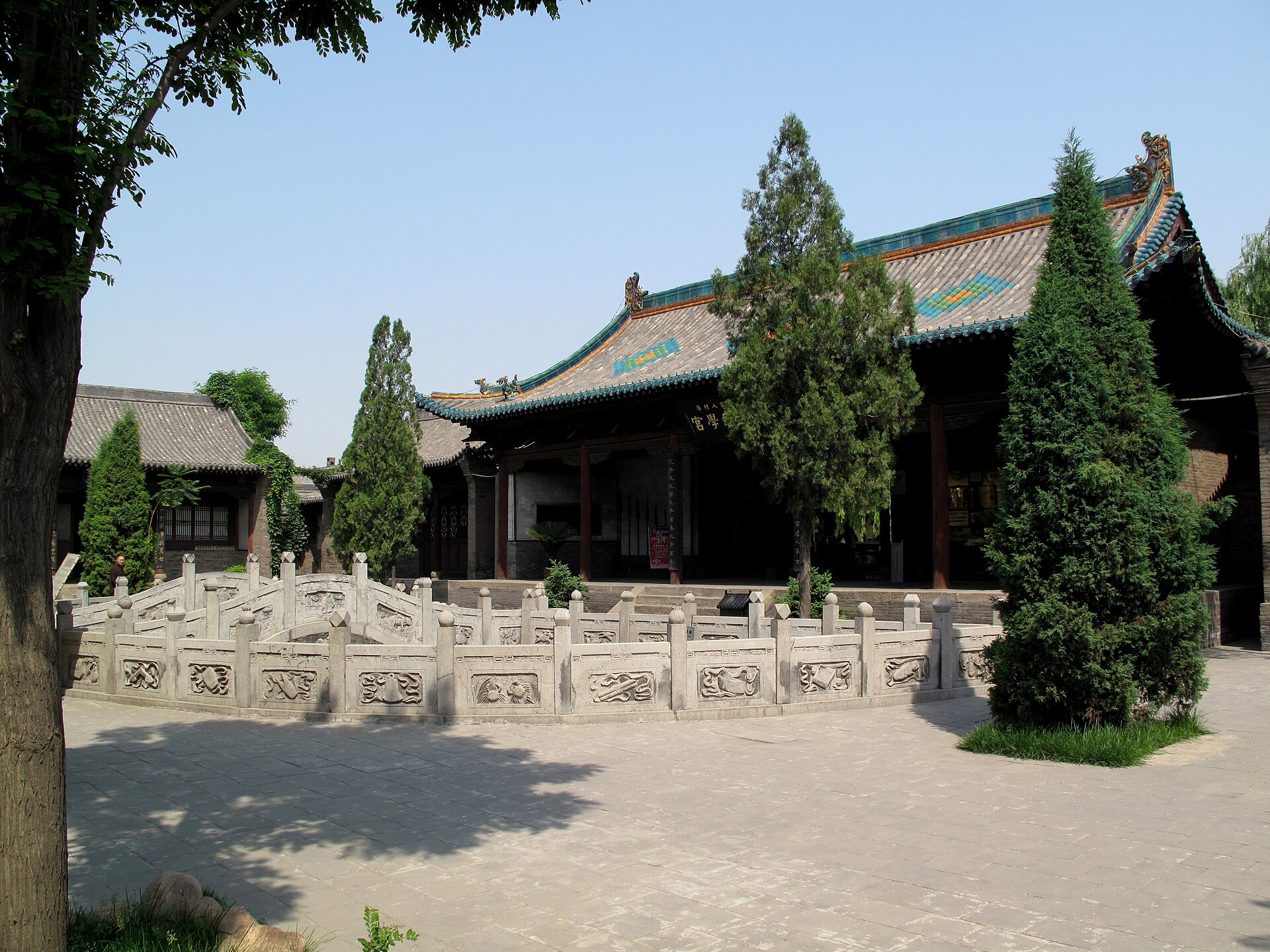
One civic or ritual site: choose the county government complex, Confucian Temple or City God Temple according to interest. The county offices explain local administration and justice; temples reveal another layer of urban order. Re-enactments, if scheduled, are programming rather than guaranteed daily history. Escort-agency museums can be a fourth option for travellers interested in security and commerce.
Walking the public streets inside the old city and entering ticketed heritage compounds are separate activities. The official scenic-area site is the place to verify the current combined ticket, eligible sites, validity, opening hours and passport process. Do not buy an unofficial “old town entry ticket” whose seller cannot name the included interiors.
A combined pass is value only if you intend to use it. Travellers with half a day may prefer two individually prioritised sites if current sales allow; those staying overnight can spread a pass across sessions. Check final admission, not just closing time. Some courtyards are small, and arriving with a large group near closing produces very little understanding.
Save the QR or confirmation offline but bring the original passport. Staffed help is useful when a foreign document does not scan. Audio guides and licensed human guides vary in depth; ask whether the service covers banking history, architecture or a generic city loop. Refuse unlisted paid extras and never follow an unsolicited street guide through a private doorway.
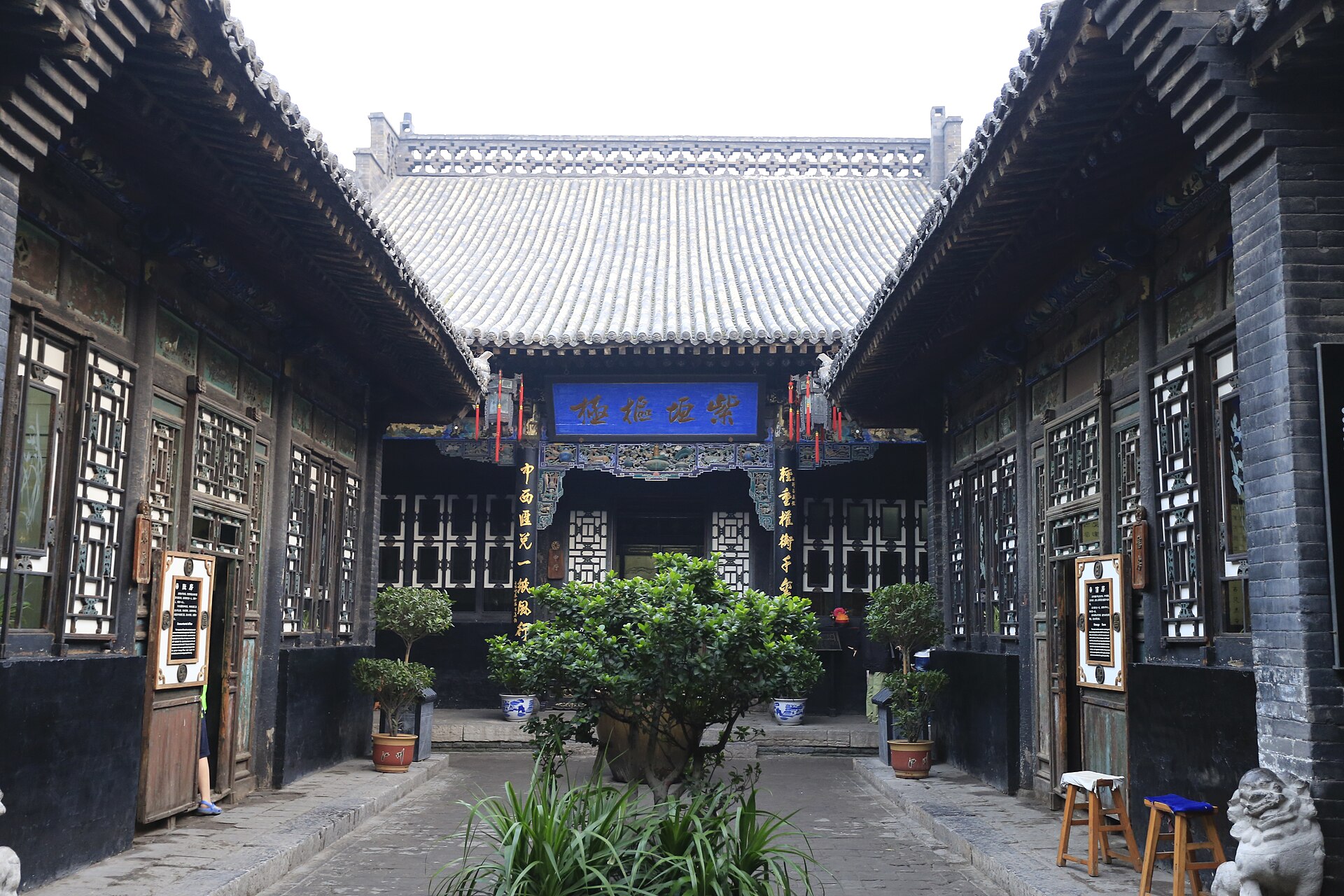
A courtyard inn inside the walls gives useful early and late access, but “traditional style” does not prove that every beam, brick or heated platform is Qing dynasty. Ask what is original, what was restored and which modern basics are present: private bathroom, heating or cooling, sound insulation, mattress type, stair access and vehicle pickup. Old buildings trade space and acoustic privacy for character.
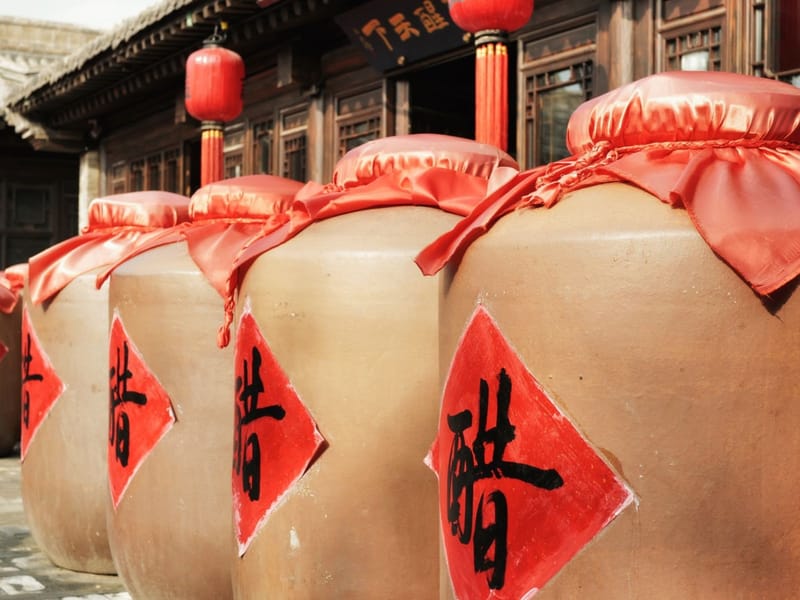
Pingyao beef, knife-cut noodles, oat-flour rolls, wantuo and Shanxi vinegar are reasonable foods to explore, but no dish needs to be treated as an authenticity exam. Ask about meat stock, allergens and chilli instead of assuming a noodle dish is vegetarian. Choose restaurants by current hygiene, menu clarity and needs, not by a claim that “locals only” eat there.
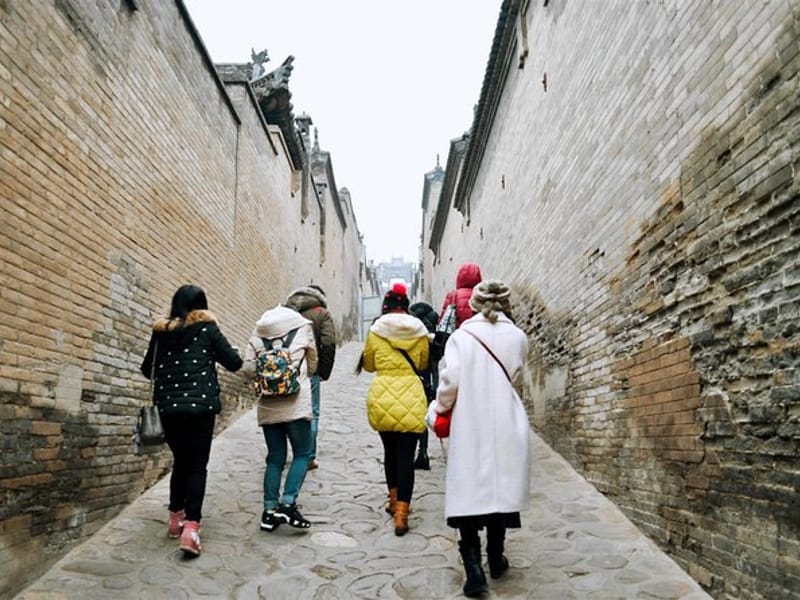
The city is lived in. Do not photograph through residential windows, block doorways with costume shoots or describe every quiet courtyard as open to visitors. Commercial costume photography is a modern tourism activity; enjoy it if desired, but do not caption the resulting image as documentary evidence of Ming or Qing daily life.
Spring and autumn often suit long walks, summer needs heat and rain planning, and winter requires serious cold protection. Snow is possible, not bookable. Check wall access after ice or strong wind and use the State Council's exact 2026 holiday calendar rather than repeating old “Golden Week” dates. The international film or photography events have their own current schedules and can change rooms and access.
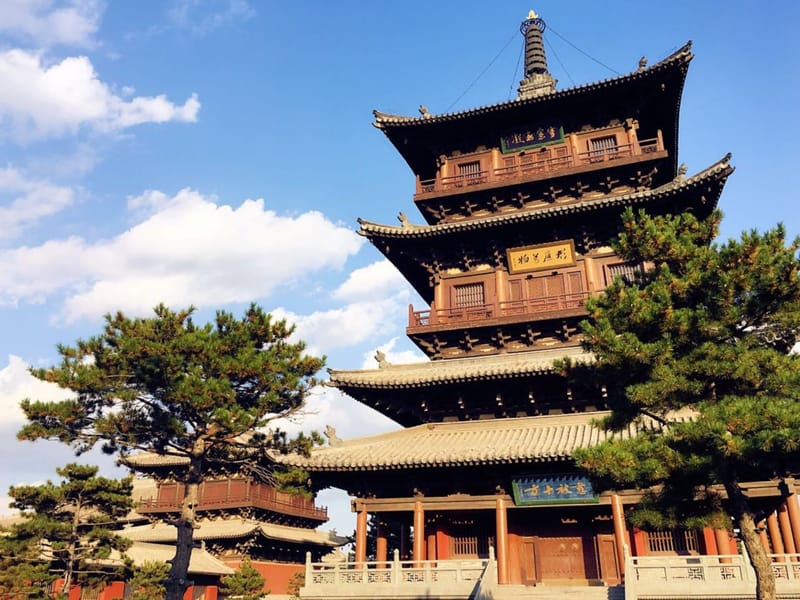
With another half or full day, Shuanglin Temple or Zhenguo Temple adds sculpture and architecture outside the central street grid. They require separate transport and current admission checks; neither is an invisible add-on inside the combined walking route. Pick one rather than rushing both before a train.
A good guide turns Rishengchang, the county offices and city plan into a coherent story, distinguishes documented history from performance and respects private homes. They should not promise access behind unmarked doors. Independent visitors can do well with official tickets and selective reading. Wear shoes for uneven surfaces, carry payment and document backups, and protect the overnight rhythm—that is the practical advantage Pingyao offers over a day-trip checklist.
Book the Pingyao UNESCO Ancient City Walking Day Tour with real-time availability.
See tour & book Plan with AIPrivate & flexible · English-speaking guide · real-time online booking.

Tell our local experts what you'd like to see and we'll design a private, tailor-made itinerary with English-speaking guides — free plan & quote, no obligation.