Updated 2026 · 9 min · by NebulaTrip local experts
Do not plan southeast Guizhou as a hunt for the “most authentic minority village.” Xijiang is a large, heavily visited scenic village that makes Miao architecture and commercial presentation easy to access. Zhaoxing offers a different Dong-built environment near Congjiang rail links, while Tang'an adds a smaller agricultural settlement and a walking option. These are communities, tourism businesses and protected cultural settings at the same time. The useful decision is how many transfers you will accept, what kind of interpretation you need, and whether a public performance or a community festival is actually on the verified schedule.
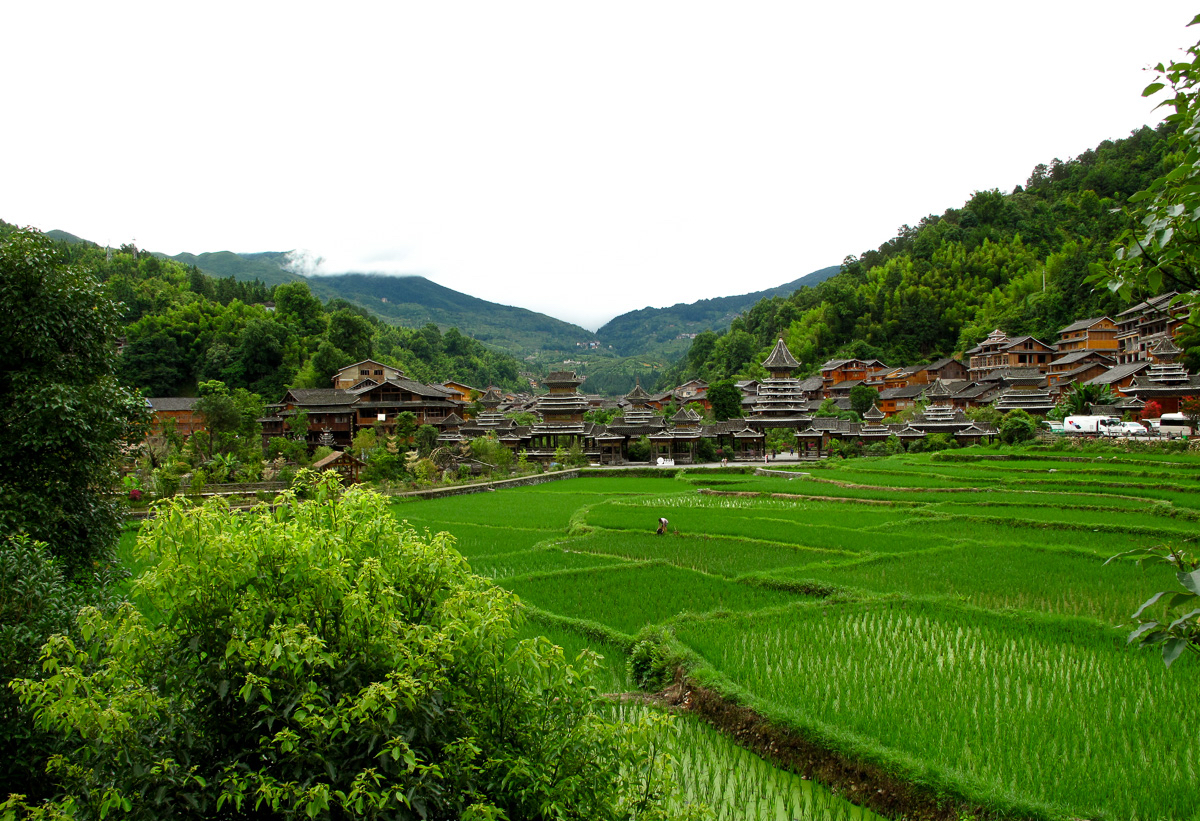
For three nights, choose either the Kaili–Xijiang side or the Congjiang–Zhaoxing side. Four or five nights can connect both with a driver and one carefully planned transfer. Guiyang is the broad air and rail gateway; Kaili South is useful for Xijiang, while Congjiang station serves the Zhaoxing direction. None of those station names means the village is outside the exit. Confirm the road pickup, scenic-area entrance and luggage transfer separately.
The current Guizhou pricing register lists Xijiang and Zhaoxing as separately managed 4A attractions with their own admission and internal transport charges. That is a useful warning against a vague “Qiandongnan pass.” Prices and vehicle arrangements can change, so book only after the operator names each included entrance and transfer.
Mountain roads have improved, including routes linking major village areas, but a rail timetable does not remove curves, weather or local traffic controls. Avoid a same-day chain of train, two villages and an evening flight. Independent travel is possible with current bus research; a driver becomes valuable when the itinerary crosses the Kaili and Congjiang corridors rather than as proof that public transport is impossible.
Xijiang works when the group wants a concentrated introduction, many lodging choices and a broad hillside view without searching through small rural settlements. It is also commercial. Ticket gates, sightseeing vehicles, viewing decks, costume rental, scheduled shows and illuminated night views are part of the contemporary destination. They are not evidence that every visible activity is an inherited village custom.
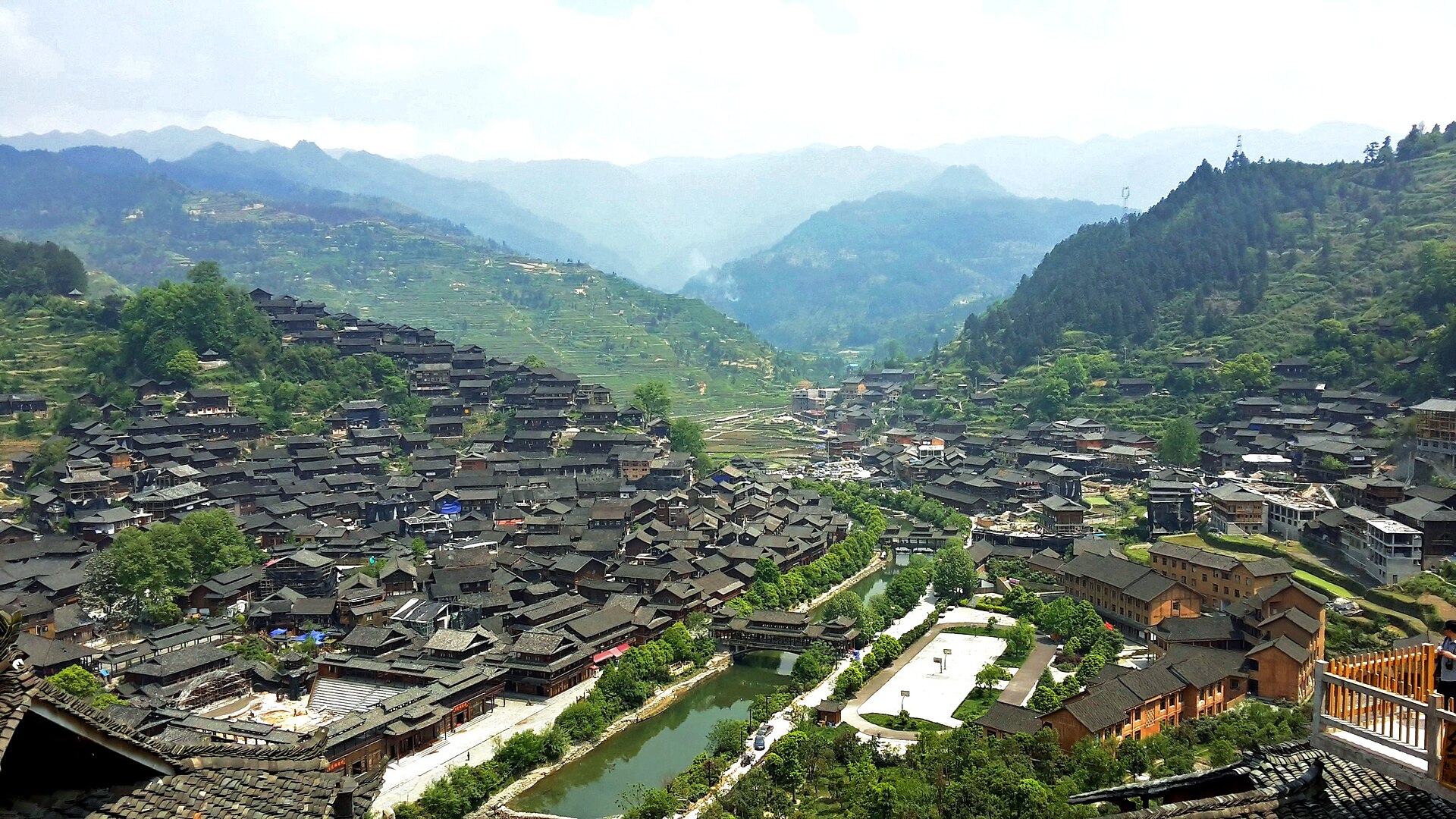
Walk beyond the main commercial street, but remember that uphill lanes still contain homes. Do not photograph through doors, block steps or label smoke, livestock or laundry as “timeless daily life.” A craft shop may sell locally made silverwork or embroidery, outsourced souvenirs, or both. Ask who made an object, what material it uses and whether the maker is present instead of judging authenticity from price or costume.
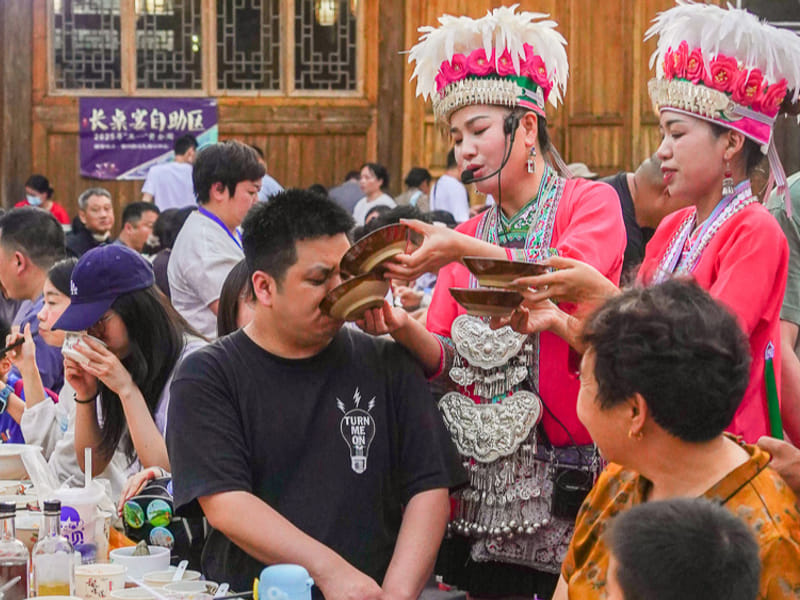
Scheduled welcome shows can be enjoyable if treated as programmed performance. They do not give permission to photograph every resident, and a performer in ceremonial clothing does not demonstrate what everyone wears each day. If a specific show matters, verify its 2026 time with the scenic area; an old daily schedule is not a contract.
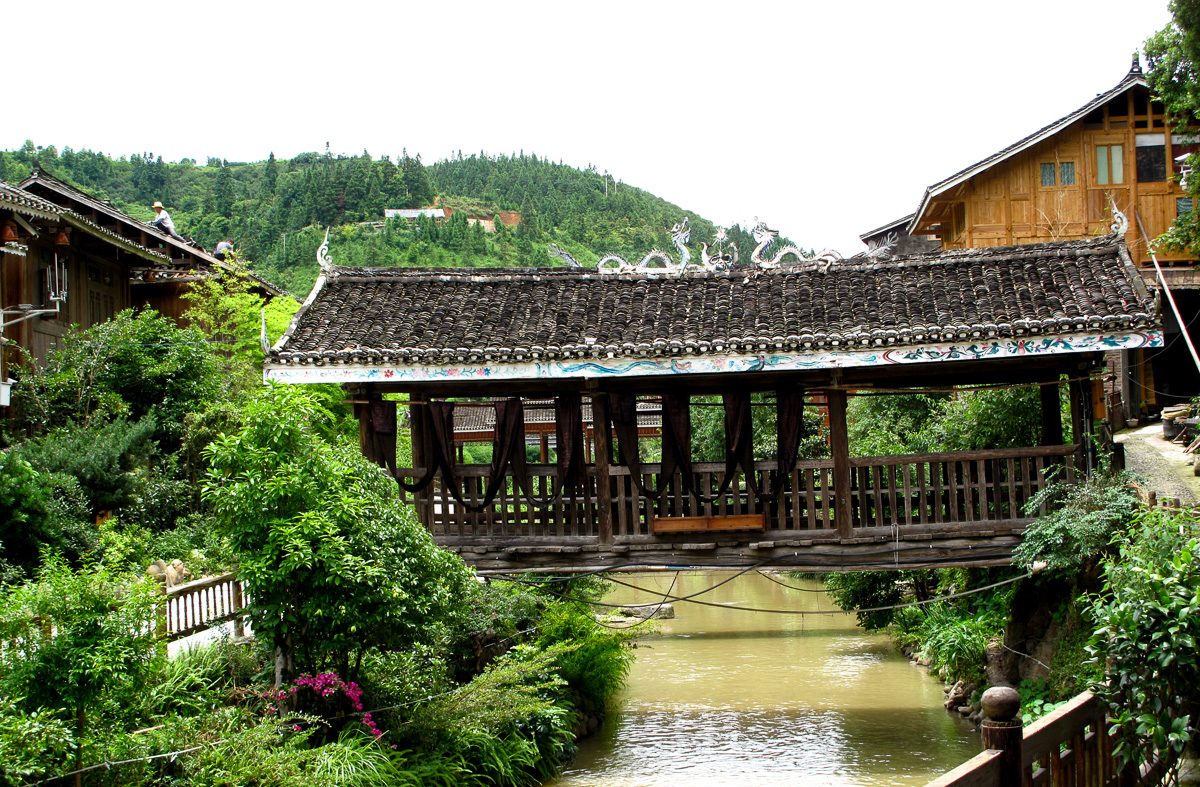
Zhaoxing is the stronger base for travellers interested in drum towers, covered bridges, timber streets and Dong singing traditions. Government sources identify it as a historic village and a core Dong cultural tourism site. That does not mean every tower has the same date, every joint is nail-free, or every evening includes spontaneous singing. Use the label on the building or a knowledgeable interpreter before assigning a clan name or construction claim.
Tang'an is a separate village above the Zhaoxing area, reached by current road arrangements or, when conditions and access allow, a walk through fields and settlements. Treat the walk as a real route: confirm start and finish, surface, ascent, weather and how the return works. Rice terraces are cultivated land. Their water, colour and harvest timing follow farm decisions, not a tourism calendar.
An overnight creates useful quiet hours but should not be sold as the moment “tourists disappear.” Residents, guests, delivery vehicles and commercial activity continue. Choose a room by heating or cooling, bathroom, noise, stairs and luggage access. A timber guesthouse can carry sound between rooms, while a newer property may be easier for mobility.
Miao and Dong communities maintain important singing, craft and festival traditions, but an annual name is not enough to establish the visitor programme. Lunar-calendar conversion, village choice, public access, weather and government scheduling can change what happens. Ask the responsible local culture or tourism office for the exact Gregorian date, location and whether the event is a community observance, a ticketed performance or a public festival zone.
Do not arrive at a ceremony assuming unrestricted access. Stand where directed, keep clear of participants, ask before close portraits and stop photographing when asked. Children and elders are not generic cultural subjects. Paying for a tour or costume does not buy consent from bystanders.
Season also changes road and field conditions without guaranteeing a visual result. Summer can be wet; spring planting and autumn harvest move with weather. If the event is cancelled, the fallback should be architecture, a verified workshop or a normal village walk—not pressure on residents to recreate it for a camera.
Sour fish soup, sticky rice, preserved vegetables and other regional foods can be worthwhile, but recipes and ingredients vary. Ask whether a hotpot contains freshwater fish, pork stock, offal, chilli, alcohol or an allergen rather than assuming one English dish name defines it. Choose food by current hygiene and turnover. Rice wine may be part of hospitality or a commercial tasting; declining politely is acceptable.
Stay overnight when it reduces transfers or supports an early village walk, not because every homestay is a family cultural exchange. Confirm whether the licensed property registers foreign passports, and ask about bathroom, heating, air-conditioning, sound and vehicle access before paying. Carry the original passport and payment redundancy.
A good guide translates with consent, distinguishes a scheduled show from a community event, names the source for an architectural claim and pays agreed craft or host fees transparently. They do not call one village “pure,” arrange intrusive home visits or turn residents into an ethnic checklist. Hire one when interpretation and multi-village coordination solve real problems; use official transport and your own reading when they do not.
Book the 2-Day Xijiang Thousand-Household Miao Village Tour from Kaili with real-time availability.
See tour & book Plan with AIPrivate & flexible · English-speaking guide · real-time online booking.





Tell our local experts what you'd like to see and we'll design a private, tailor-made itinerary with English-speaking guides — free plan & quote, no obligation.